
Unbiased headlines. Facts, not spin.
Every story is an unbiased news briefing written from 110+ sources across the spectrum — sources linked so you can verify it yourself.
 finance
Notable (5/10)
July 19, 2026 at 08:33 PM
finance
Notable (5/10)
July 19, 2026 at 08:33 PM
Kalshi Says World Cup Betting Frenzy Added 3 Million Users, $1.2 Billion in Trades on Winner Market Alone
Record Volume, Record Sign-Ups
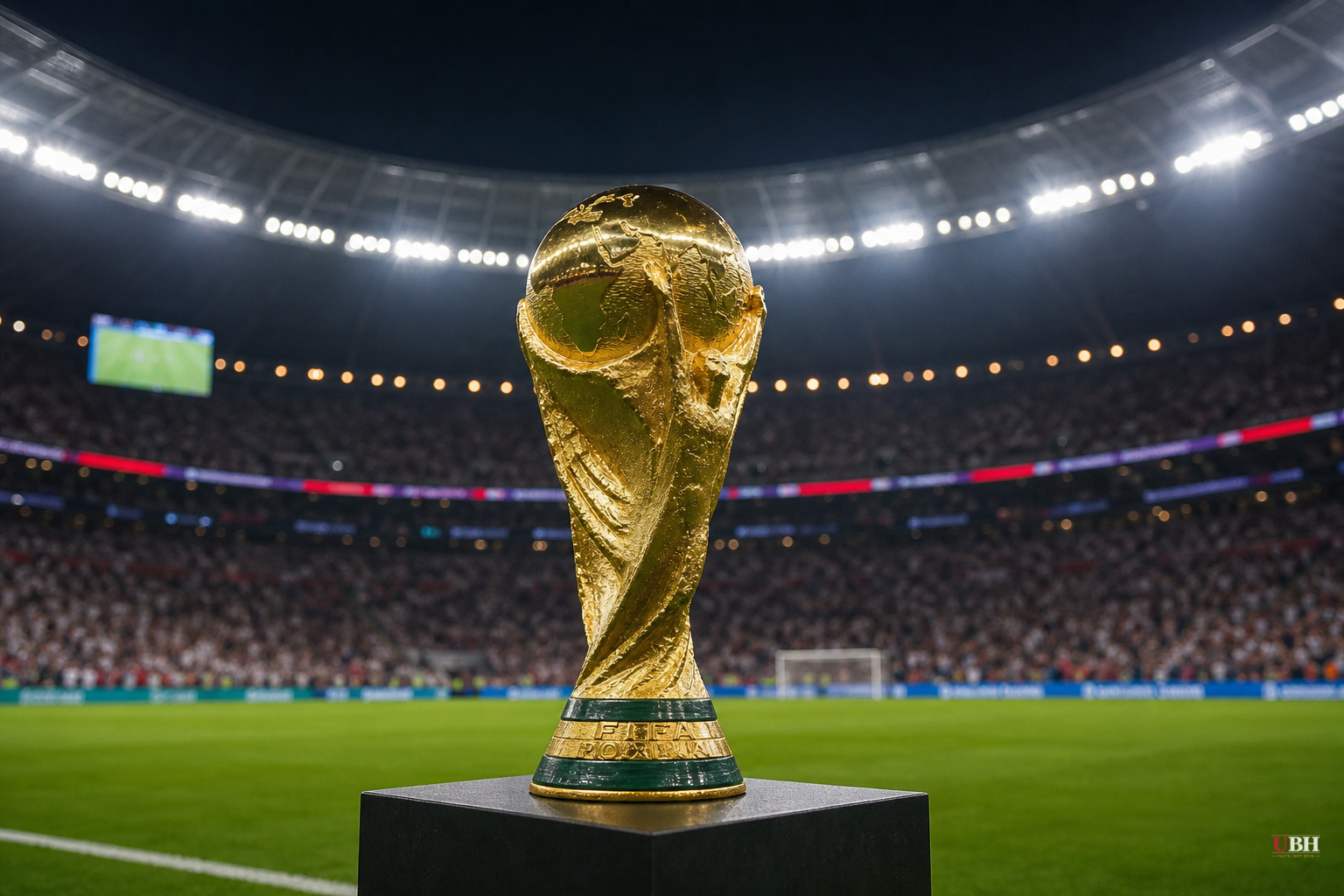
Kalshi told CNBC it has added 3 million new users since the 2026 FIFA World Cup began, and more than $1.2 billion has been traded on its market asking users to predict the tournament winner. The company says that's the largest single prediction market in its history. That market closes today, Sunday, July 19, once Spain and Argentina finish playing the final at MetLife Stadium.
NDTV Profit and Phemex both confirmed the same top-line numbers in their own write-ups, citing Kalshi's disclosure to CNBC. None of the sources offered an independent audit of the trading volume figure, so the $1.2 billion number rests on Kalshi's own accounting.
How Kalshi Got Here
Kalshi CEO Tarek Mansour told CNBC the company treated the World Cup as a marketing sprint, not just a trading event. "Our volumes are where the news is at," Mansour said. "It's a lot of the approach for the World Cup … the most important thing is enable creativity based on what's happening."
That meant fast turnaround ads. One spot featuring retired professional soccer players in a scrimmage was conceived, shot, and released within 24 hours, according to Mansour.
Kalshi also built out partnerships well beyond the pitch. The company partnered with ADI Predictstreet, FIFA's official prediction market sponsor, for co-branded stadium advertising. It struck a deal with OpenAI to surface Kalshi's contract odds when users ask ChatGPT about World Cup matches. And it ran campaigns with Croatian midfielder Luka Modric, longtime Real Madrid manager José Mourinho, and the Argentina national team, a partnership that got a boost when Lionel Messi featured it in an Instagram post.
The company didn't stop at soccer fans. Kalshi ran ads with actor Timothée Chalamet in June, around his visibility during the NBA Finals, and with Colombian singer J Balvin this month. Elizabeth Johnson, executive director of the Wharton Neuroscience Initiative, told CNBC that's a deliberate move: "They're seizing this moment to remind people about the ubiquitousness of what these prediction markets are."
Vijay Viswanathan, associate dean of integrated marketing communications at Northwestern University, put the scale in context for CNBC: soccer is "played in about every country in the world," giving the World Cup a total addressable audience no other sporting event can match.
The Legal Fight Kalshi Isn't Settling
Sports event contracts remain under active legal challenge in multiple states, according to NDTV Profit. Several states argue these contracts are simply sports betting wearing a different label, which would put them under state gambling regulation rather than federal oversight.
Kalshi's position is that its contracts fall under the Commodity Futures Trading Commission's jurisdiction as a federally regulated derivatives exchange, not state gaming law. That is a real and unresolved legal question. State gambling regulators aren't a neutral party here either; they have their own revenue and licensing interests in keeping sports wagering under state control. Traditional sportsbooks, which pay state licensing fees and taxes that Kalshi doesn't, have pushed hardest against the prediction-market model, and Mansour told NDTV Profit that opposition "largely comes from established gambling operators."
Both sides have a legitimate argument. Regulators say a contract that pays out based on whether a specific team wins a specific game looks, functions, and feels like a bet, regardless of what federal statute it's filed under. Kalshi says the CFTC has statutory authority over these markets and that federal law should preempt a patchwork of conflicting state rules. No court has issued a final, nationwide resolution on the question as of this writing, and this reporting did not find any specific injunction or ruling described in the sourcing that would stop Kalshi's World Cup contracts from closing today as planned.
What Comes Next
The World Cup winner market closes after today's final. Mansour isn't worried about the pipeline drying up. "You have to believe there's not going to be any news after Sunday," he told NDTV Profit, adding that "the more probable thing is that there's going to be a bunch of things going on in the world, and Kalshi's going to be there to service it."
The unresolved question is whether state regulators move to force these contracts off the market before the next marquee sporting event, or whether the CFTC's jurisdiction claim holds up against further state-level legal challenges. That fight will determine whether Kalshi's World Cup playbook, celebrity ads, OpenAI integration, stadium sponsorships, and all, becomes the template for the next Olympics or Super Bowl, or gets shut down state by state before then.
Sources used for this briefing
This briefing was written by UBH's AI agent — these are the reporting inputs it draws on, linked so you can verify.


