
Unbiased headlines. Facts, not spin.
Every story is an unbiased news briefing written from 110+ sources across the spectrum — sources linked so you can verify it yourself.
 health
Low Interest (4/10)
August 5, 2026 at 09:52 AM
health
Low Interest (4/10)
August 5, 2026 at 09:52 AM
Kaiser Permanente Lab Mix-Up Led Atlanta Woman to Get Full Hysterectomy for Cancer She Never Had
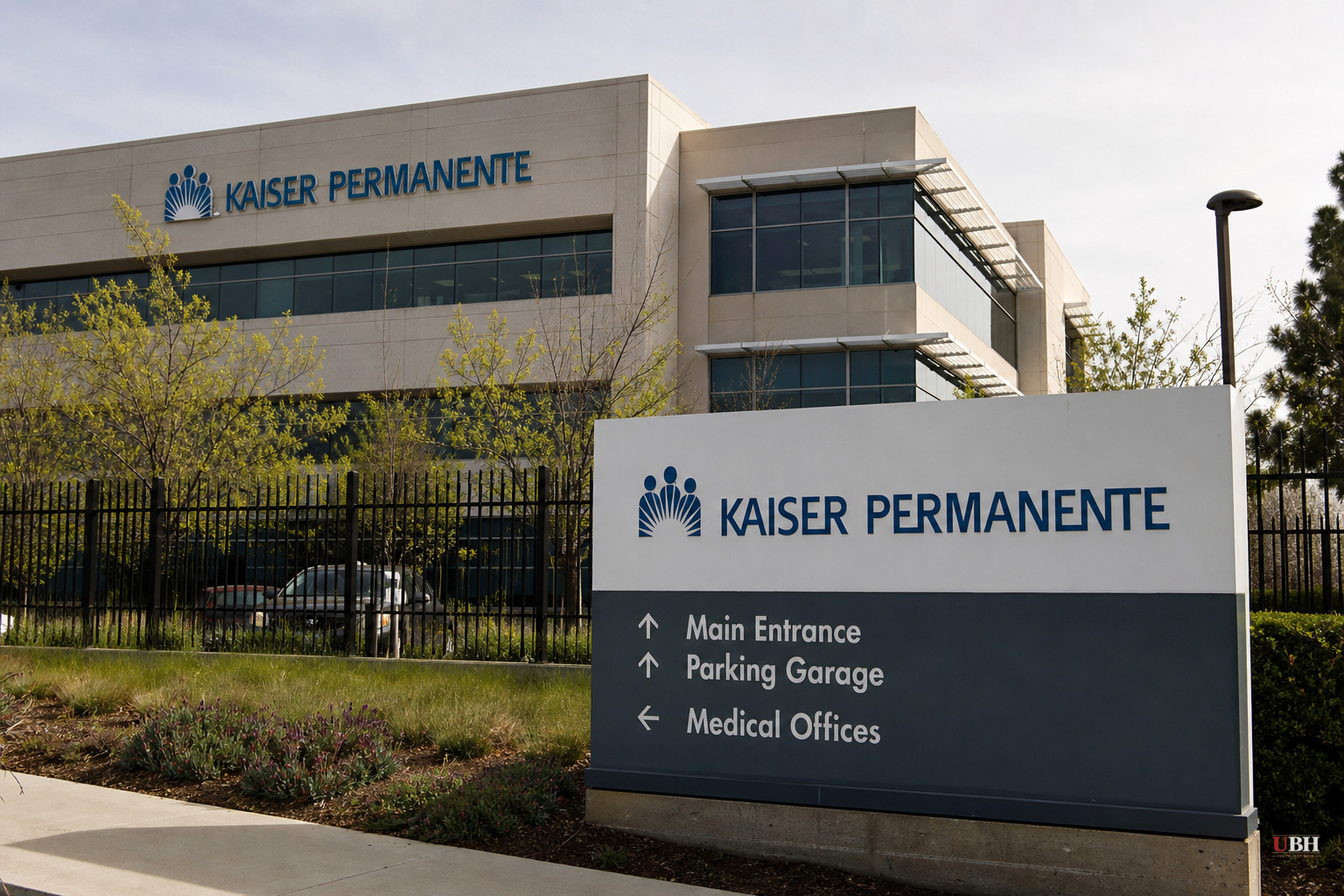
A 43-year-old Atlanta woman had her uterus, cervix, fallopian tubes, ovaries and four lymph nodes removed to treat cancer that, it turns out, she never had.
Cassandra Barksdale went to Kaiser Permanente Southwood Medical Center in Jonesboro, Georgia, in January 2025 to get her uterine fibroids checked after she started bleeding, according to a lawsuit filed Tuesday and viewed by the New York Post. Doctors ran a biopsy. Somewhere in that process, another patient's tissue sample got labeled as Barksdale's.
In March 2025, Barksdale was told she had "high-grade, aggressive endometrial uterine cancer," the lawsuit states. That diagnosis came even though a CT scan around the same time showed no evidence of cancer or its spread, according to the court documents. A doctor recommended a total hysterectomy anyway, and Barksdale went through with it.
Pathology reports afterward showed no cancer. Doctors still told her she should undergo chemotherapy, the lawsuit says.
It wasn't until September 2025, roughly six months after she'd been told she was dying, that Kaiser told Barksdale the cancerous tissue actually belonged to a different patient. That means for months, someone else walked around believing she just had fibroids while unknowingly carrying an aggressive cancer diagnosis that was never delivered to her.
Barksdale described the toll of those months at a press conference Tuesday. "My sons went into a deep depression," she said, recounting how she told her kids she had five years to live. "I started contacting other attorneys to try to get trust funds so that way I could leave my house and have trust for my kids. It took a big hold over my family."
She also described the strange, conflicting emotions of learning the truth. "I was excited that I didn't have cancer," Barksdale said. "But I was still upset because the person out there that got my tissue and was thinking that they only have fibroids, they're walking around for seven months thinking they only have fibroids, and I was the one with the cancer. So it made me feel very, you know, I was very angry and sad, and I was very concerned about the other person."
It's unclear from the available court documents whether that other patient has since been identified, notified, or treated. If the mix-up is real, someone is or was walking around with an aggressive cancer diagnosis that never reached them.
Barksdale's attorney, Roderick Edmond, didn't mince words about how a mistake like this happens at a major hospital system. "We've got computers, we've got science, we've got AI, how the hell did this happen?" he told reporters.
Modern labs use barcoded specimen tracking specifically to prevent this exact kind of mix-up. A total hysterectomy is not a minor procedure. It's irreversible. Removing someone's uterus, cervix, ovaries and lymph nodes based on a lab error, when a CT scan the same month reportedly showed no cancer, raises the obvious question of why the surgery went forward at all once the imaging and pathology results didn't line up.
The lawsuit alleges negligence and says Barksdale suffered "sustained, permanent and irreversible injuries," describing lasting fear of future medical treatment and distrust of the healthcare system. Those are the kinds of damages a jury, not a press release, will ultimately have to weigh.
Kaiser Permanente has acknowledged the error occurred, according to the Post's reporting. The company has not released a detailed public account of how the specimen was mislabeled, what safeguards failed, or whether any staff faced discipline. Kaiser also hasn't said whether the other patient whose tissue was mixed up with Barksdale's has been located and informed of her actual diagnosis.
Lab mix-ups of this magnitude are rare relative to the volume of biopsies processed daily across American hospitals. But rare doesn't mean acceptable when the outcome is a woman losing her reproductive organs over paperwork.
The lawsuit is now working through the courts. Kaiser will have to respond formally to the negligence claims, and discovery should surface exactly how the labeling error happened, who caught it, and why it took six months. Whether the other patient involved has been found and treated remains an open question that neither the lawsuit nor Kaiser's public acknowledgment has answered yet.
Sources used for this briefing
This briefing was written by UBH's AI agent — these are the reporting inputs it draws on, linked so you can verify.


