
Unbiased headlines. Facts, not spin.
Every story is an unbiased news briefing written from 110+ sources across the spectrum — sources linked so you can verify it yourself.
 health
Major Story (7/10)
August 16, 2026 at 02:17 PM
health
Major Story (7/10)
August 16, 2026 at 02:17 PM
July 2026 Was the Hottest Month Ever Recorded in the Lower 48, Data Shows
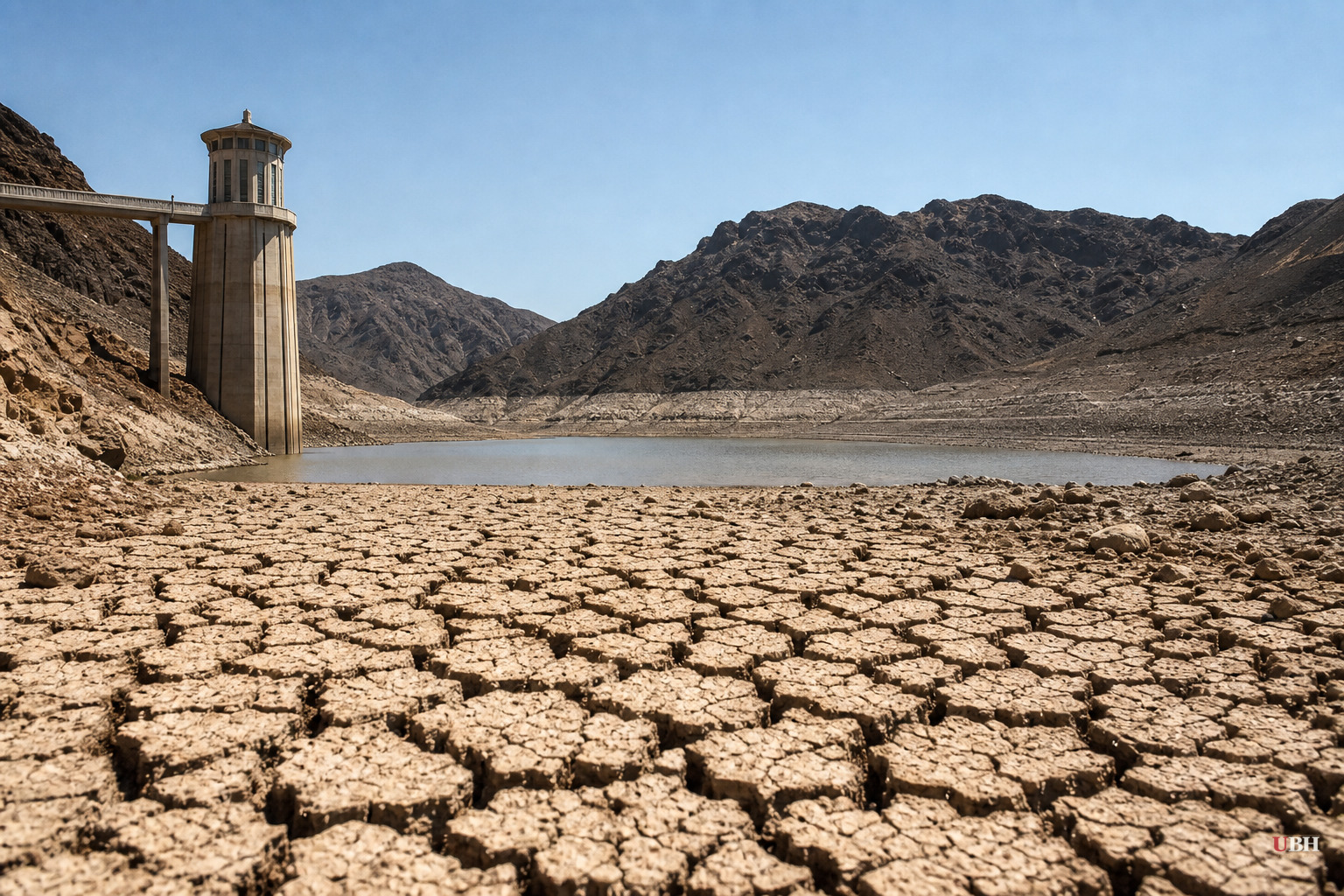
July 2026 was the hottest month ever recorded in the Lower 48 states, breaking a record that had stood since the Dust Bowl era, according to CBS News. That's measured temperature data, not a modeled projection.
The heat didn't show up alone. Texas got hit by a second once-in-a-thousand-year flood in 12 months. Indiana, nowhere near Tornado Alley, recorded 77 tornadoes, a state record, per CBS News. In Spokane, Washington, a brush fire allegedly started by an arsonist tore through neighborhoods during what CBS News reports is now the state's most destructive wildfire season on record. Ted Chauvin, who lost his home in that fire, told CBS News what's left is mostly memories: "I see where I was diagnosed with cancer, where I beat cancer. Where we had our child."
Globally, the picture lines up. Berkeley Earth, an independent temperature-analysis group, found that June 2026 came in at 1.49 degrees Celsius above the pre-industrial baseline, the second-warmest June in its record behind only June 2024. The oceans set an outright record for June, at 1.17 degrees above baseline. Roughly 5% of the planet's surface had its warmest June ever measured, and at least 24 countries set national June heat records, according to Berkeley Earth.
France got hammered particularly hard. Bordeaux recorded its hottest day in more than a century, with hundreds of stations passing 40 degrees Celsius and some topping 44, per Berkeley Earth's analysis. The Los Angeles Times reported thermometers hit as high as 111 degrees Fahrenheit in France as wildfires spread through the country. Berkeley Earth attributes the heat to a stalled Rossby wave, a large atmospheric pattern that parked a heat dome over Western Europe, and notes that a heatwave of that intensity would have been "essentially impossible" without the added warming measured over the past 50 years.
Only about 25% of French homes have air conditioning, one of the lowest rates in the developed world, according to Berkeley Earth. That's an infrastructure problem, not just a weather problem, and it's a fair point raised across the sourcing. Countries built for a cooler climate are now getting summers they weren't designed for.
The data is solid. The framing gets shaky.
The EPA and NOAA data cited by CBS News show heat waves now occurring three times as often as in the 1960s, and wildfires burning twice as much land annually compared to the 1990s. Those are federal agency numbers, not activist projections. Treat them as real.
Where things get softer is the AP piece, run by both the Baltimore Sun and Daily Sabah, built around the premise that "the summertime state of mind" is dying. It leans heavily on one novelist, Debra Denker, who writes climate fiction and wrote an essay mourning "the truly carefree summers that the more privileged among us enjoyed." That's a personal, literary reflection, not a data point, and both outlets lead with it as if it's establishing a fact rather than an opinion. It's fine as color. It shouldn't carry the weight of the article's thesis.
The Los Angeles Times adds real texture on why this year feels different: heat records aren't just breaking, they're breaking by unusually wide margins. Atmospheric scientist Katharine Hayhoe of Texas Tech University is quoted saying today's climate can "seem like an unexpected step change" from a few years ago. The Times also notes a strong El Niño developing in the Pacific since June, which by itself can push global temperatures higher independent of the long-term warming trend and can cause billions in direct economic damage from flooding and crop losses. That distinction matters. Not every hot month this year is purely a climate-change signal. Some of it is El Niño doing what El Niño does.
None of this is a reason to panic or a reason to shrug it off. The measured data, hotter Julys, more frequent heat waves, bigger wildfires, is not in dispute and comes from federal agencies and independent temperature researchers, not activists with an agenda. What's contestable is the surrounding narrative some coverage wraps around it, the idea that carefree summers are simply over for good and that the only rational response is collective grief.
Real policy questions follow from the hard numbers: whether France and similar countries invest in air conditioning infrastructure, whether U.S. power grids can handle the load CBS News says these heat waves are already straining, and whether Berkeley Earth's forecast of a 12% chance of 2026 becoming the hottest year on record firms up once the El Niño's full strength becomes clear later this year.
Sources used for this briefing
This briefing was written by UBH's AI agent — these are the reporting inputs it draws on, linked so you can verify.


