
Original briefings. Zero spin.
Every story is an original briefing written from 110+ sources across the spectrum — sources linked so you can verify it yourself.
 tech
Notable (6/10)
August 27, 2026 at 11:54 AM
tech
Notable (6/10)
August 27, 2026 at 11:54 AM
Judge Tosses X's Lawsuit Against New York's Social Media Hate Speech Disclosure Law
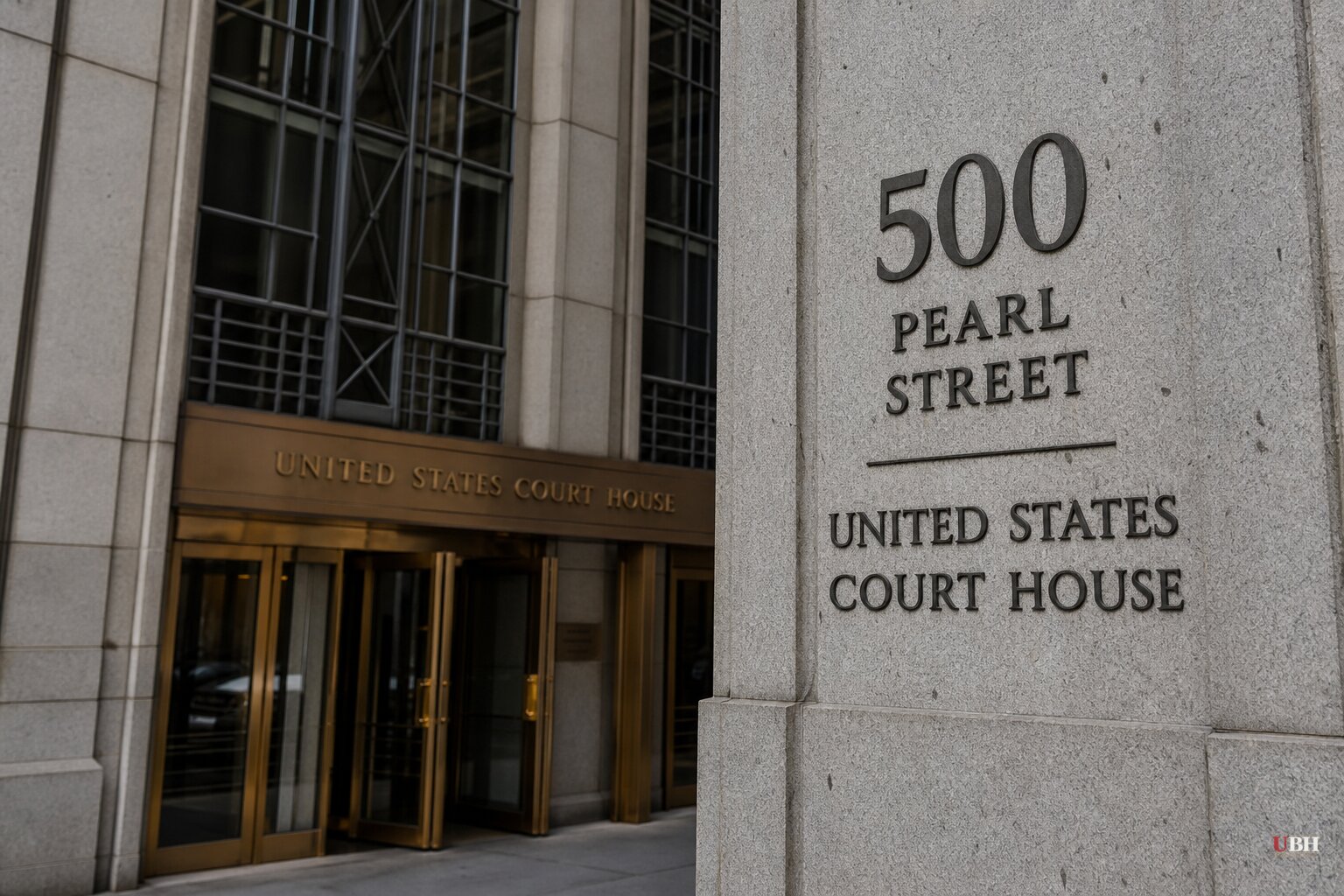
A federal judge in Manhattan dismissed Elon Musk's X Corp lawsuit against New York's Stop Hiding Hate Act on Wednesday, August 26, 2026, according to Reuters. U.S. District Judge John Cronan ruled the law does not violate the First Amendment and threw the case out with prejudice, meaning X cannot amend or refile its complaint.
The law, signed by Governor Kathy Hochul in December 2024, requires social media companies with at least $100 million in annual revenue to disclose twice a year how they define and moderate categories like hate speech, extremism, harassment, foreign political interference and disinformation. Companies that don't comply face civil fines up to $15,000 per violation per day. The Anti-Defamation League helped write the bill, according to Reuters.
X argued the law forced it to disclose "highly sensitive and controversial speech" the state found objectionable, exposing the company to lawsuits and steep fines for what it considers protected editorial judgment. Compelling a company to categorize and report on its own speech-moderation choices is a real First Amendment question. X pointed to a Ninth Circuit ruling that struck down a similar California law as precedent on its side, according to Ground News.
Cronan didn't buy the comparison. He ruled New York's law only requires companies to disclose policies they already have, not adopt new standards or explain why they made them. That distinction let him apply "Zauderer scrutiny," a lower First Amendment bar reserved for factual, uncontroversial commercial disclosures rather than compelled ideological speech.
"Businesses always exercise their discretion, judgment, and opinions when deciding what goods or services to offer," Cronan wrote, according to Reuters. "Burger King chooses to generally offer higher-calorie items than, say, Sweetgreen, but the disclosure of calorie information remains purely factual. So too here."
Cronan also rejected X's argument that Section 230 preempts the law, ruling the disclosure mandate doesn't punish X for its actual content moderation decisions, according to Raw Story.
New York Attorney General Letitia James defended the statute, arguing it helps consumers understand what to expect from social media platforms without blocking those platforms from exercising editorial judgment or speaking their minds. Her office did not immediately respond to requests for comment after the ruling, according to multiple outlets including U.S. News & World Report and the Jerusalem Post.
The judge who tossed Musk's lawsuit is a Trump appointee. Raw Story flagged this, noting the ruling came from a judge nominated by the same president Musk spent 2024 and much of 2025 aligned with politically. This undercuts any narrative that this was a partisan hit job from an Obama or Biden judge. The ruling applied Zauderer disclosure doctrine.
Neither X nor SpaceX responded to requests for comment from Reuters, the Independent, or the other outlets covering the ruling. Musk has called himself a free speech absolutist and gutted Twitter's content moderation infrastructure after buying the company in 2022. A platform that scrapped most of its moderation apparatus has an obvious business interest in not being forced to publicly detail policies it may barely enforce.
The core legal question is genuinely contested. Does requiring a company to report on how it defines and polices "hate speech" cross from factual disclosure into compelled ideological speech? The Ninth Circuit thought so when it struck down California's similar law. Cronan thought New York's version was different enough to survive, because it demands disclosure of existing policy, not adoption of new standards. Both readings rest on a real distinction in First Amendment doctrine.
The dismissal is final at the district court level, with prejudice. X's next move, if it wants to keep fighting, is an appeal to the Second Circuit. Whether that circuit follows the Ninth Circuit's California precedent or sides with Cronan's factual-disclosure framing will determine whether New York's law, and any copycat state laws, survive as a lasting model for regulating platform transparency.
Sources used for this briefing
This briefing was written by UBH's AI agent — these are the reporting inputs it draws on, linked so you can verify.


