
Unbiased headlines. Facts, not spin.
Unbiased Headlines is an independently owned news organization. We bring you the facts, not opinions, written fresh from 110+ named sources. Sources linked so you can verify it yourself.
 politics
Major Story (8/10)
Event date: September 14, 2026 ·
politics
Major Story (8/10)
Event date: September 14, 2026 ·
Judge Kelly Extends Block on Trump's White House Ban of CNN, MS NOW and Politico, Finding It Likely Viewpoint Discrimination
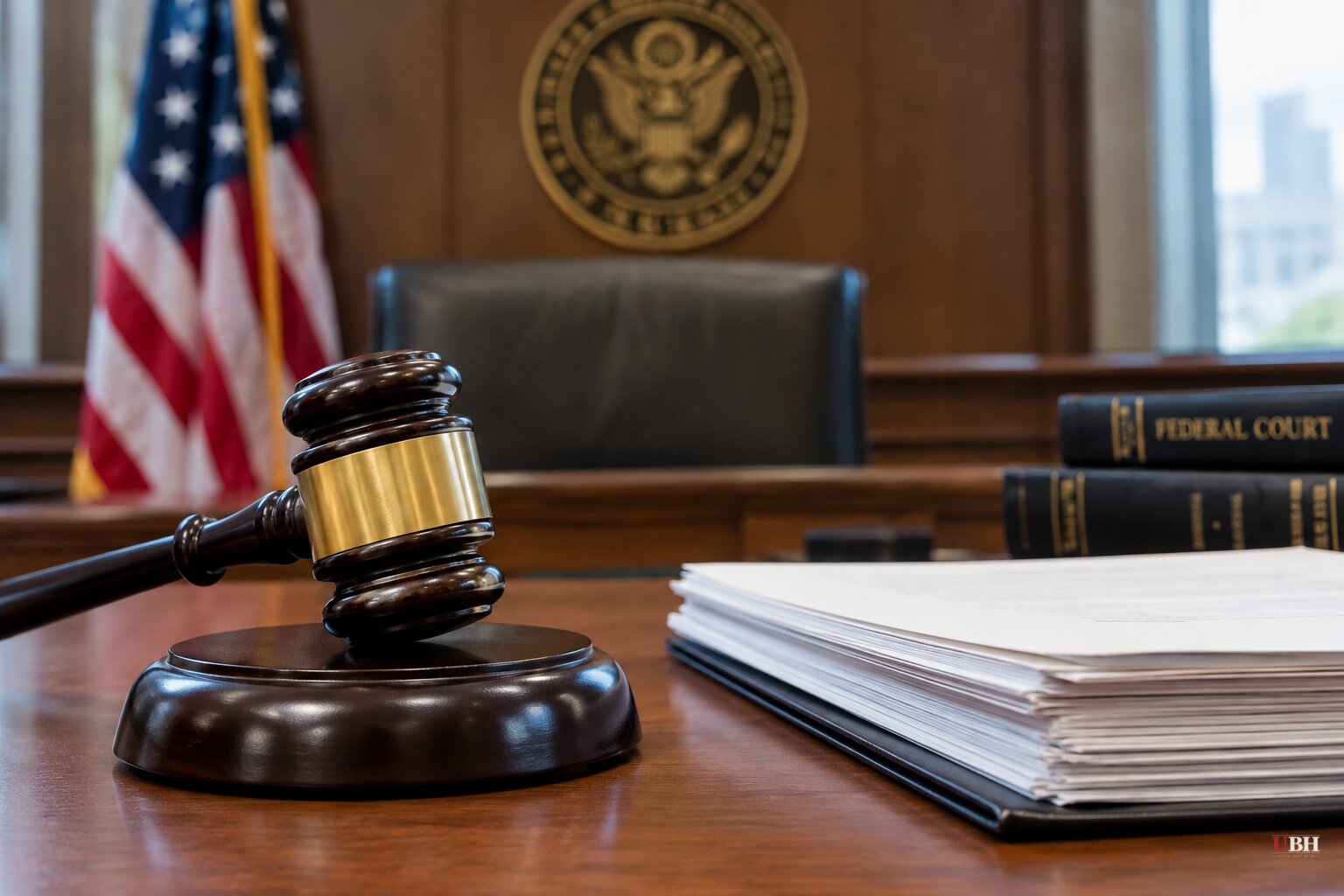
Since Trump announced the ban in mid-September and Kelly issued a 14-day temporary restraining order, the fight over White House press access has moved from a narrow due process dispute to a ruling on free speech. On Tuesday night, Oct. 13, Kelly granted the three outlets a preliminary injunction. It stays in place while the case moves forward.
The 26-page decision finds that the revocation of the outlets' hard passes likely violated both the Fifth Amendment's due process clause and the First Amendment. It is the first time Kelly has ruled on the First Amendment claims. His earlier order rested on due process alone.
What the judge found
Kelly wrote that the record points to Trump himself making the call. "President Trump likely banned Plaintiffs from the White House because he believes that their reporting is generally inaccurate and biased against him," he wrote.
He called that "unlawful viewpoint discrimination." He also found the action likely amounts to retaliation, writing that it is "the sort of action that would deter a reasonable reporter or news organization from publishing stories to which he objects."
Kelly also wrote that Trump's comments "suggest that he intended the revocation of Plaintiffs' hard passes to alter their reporting on him." He added that the passes matter "a lot as to how, whether, and to what extent they can do their jobs."
On due process, Kelly repeated his earlier finding that the outlets were likely not given adequate notice or a chance to respond before losing access. At a Sept. 23 hearing he had said the process laid out in two earlier D.C. cases, involving CNN's Jim Acosta in 2018 and Brian Karem in 2019, "wasn't followed here." He also questioned how "a letter that they got after their pass got revoked" could set any standard for reporters to follow.
The administration's argument
The Justice Department defended the ban on national security grounds. Its filings said access to the White House "is a privilege — not a right," and that the president has "compelling interest[s]" in setting minimum standards for bona fide journalists. The government also argued it may control access to restricted presidential areas such as the Oval Office "even for viewpoint-discriminatory reason."
The White House letters to the outlets, dated Sept. 22, accused them of "trafficking in verifiable falsehoods about national security and other issues, and publishing sensitive or classified information." The letters cited CNN's reporting of "top-secret" details about construction of a new White House bunker. They also cited Politico's reporting that officials were weighing lifting Russia sanctions, which the letters said was wrong because the administration has intensified those sanctions.
Trump has framed the matter in his own terms. In a Truth Social post, he wrote that the White House "is not instituting an assault on the Free Press, something which I cherish. It is instituting an assault on the FAKE NEWS."
Kelly did not accept the national security rationale as the real driver. He wrote that "there is no evidence in the record that President Trump made the decision to revoke Plaintiffs' hard passes on national security grounds from the get-go, nor at any time has he directly stated that national security was the reason for his decision."
He also included a caveat the administration can point to. "No one should interpret the Court's decision to suggest that President Trump's concerns about accuracy and fairness in the media's reporting are unfounded, or that the government is powerless when its true aim is to protect national security when classified information is unlawfully disclosed."
The plaintiffs' position
Ted Boutrous, the lawyer for CNN, MS NOW and Politico, said Trump "has repeatedly, candidly, and consistently admitted in public that he banned our clients from the White House to punish reporting he doesn't like and to try to force journalists to cover him in ways he prefers." He called the harm to the outlets, the First Amendment and the public "profound."
At the Sept. 23 hearing, a lawyer for the outlets said 78 reporters across the three outlets had been banned indefinitely "without any notice, without any standards being articulated."
How the ban unfolded
Trump announced the ban in mid-September, saying the outlets "shouldn't be able to constantly write or report FICTION and LIES." Reporters from the three outlets who showed up the next day were turned away, and the Secret Service took their credentials.
The outlets sued on Sept. 21. Fox News Media, ABC News, CBS News, CNN and NBC News, the White House television pool members, announced they would suspend pooled coverage of Trump in response to the ban.
A government lawyer told Kelly in September that the White House had provided due process by laying out a way to contest the bans. Kelly was not persuaded.
The White House and the Justice Department had not immediately responded to requests for comment on Tuesday's ruling.
What comes next
Trump said on Truth Social last month that the Justice Department would appeal if Kelly ruled against him. The injunction keeps the reporters in the building while the case proceeds on the merits.
Sources used for this briefing
8 links from 7 independent newsrooms (syndicated copies of the same report count once)
These are the sources it draws on, linked so you can verify.


