
Unbiased headlines. Facts, not spin.
Unbiased Headlines is an independently owned news organization. We bring you the facts, not opinions, written fresh from 110+ named sources. Sources linked so you can verify it yourself.
 politics
Major Story (8/10)
Judge Chutkan Blocks DOJ and DHS From Sending Noncitizen Voter Lists to States Before Midterms
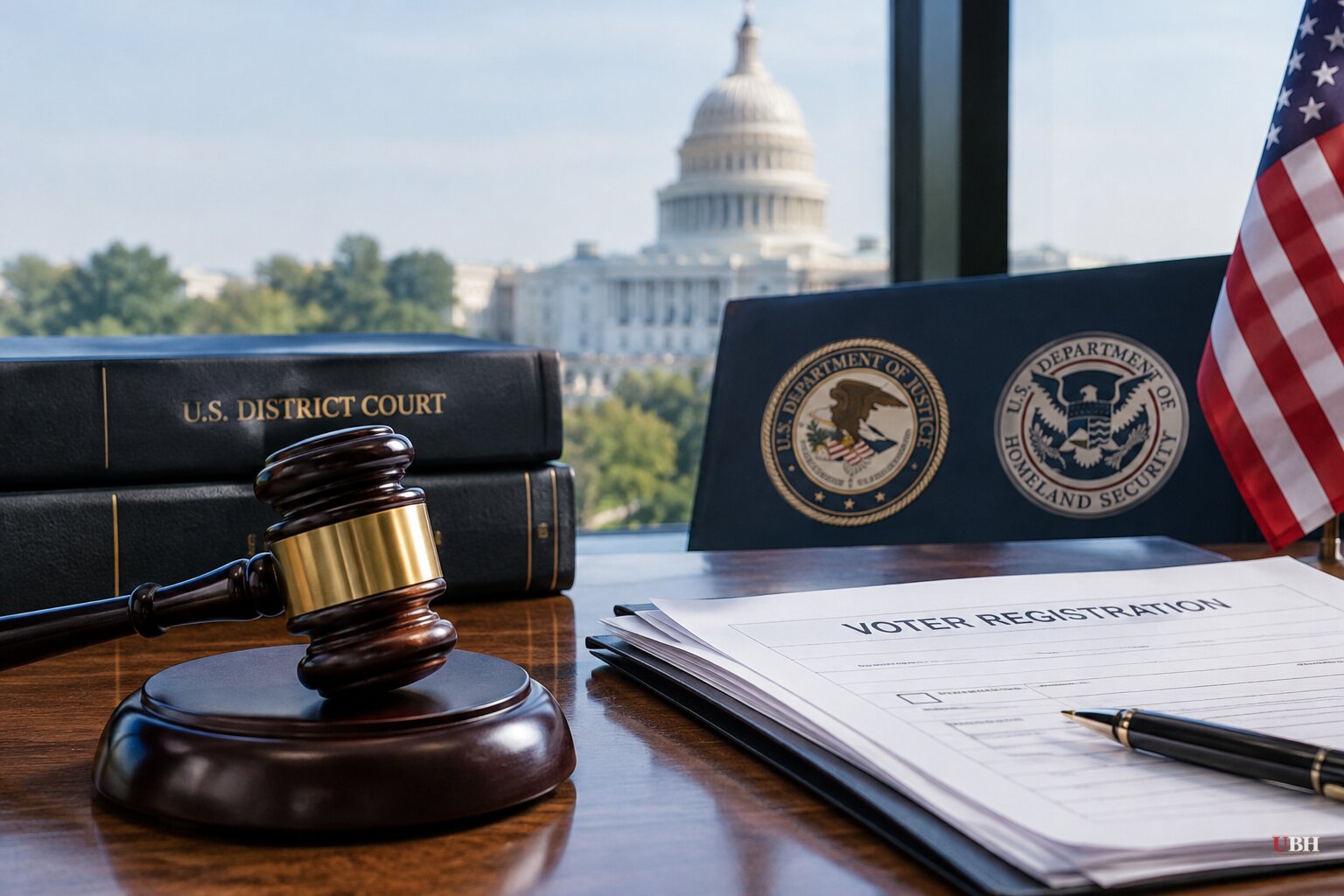
A federal judge has ordered the Justice Department and the Department of Homeland Security to stop sending states and counties lists of registered voters the government says are noncitizens. The order came Nov. 2, the day before Election Day, which is today, Nov. 3.
U.S. District Judge Tanya Chutkan of the District of Columbia issued the preliminary injunction Nov. 2 in a 30-page ruling. The plaintiffs are the League of Women Voters, the League of United Latin American Citizens (LULAC) and the Electronic Privacy Information Center (EPIC). The suit was filed Oct. 15.
What the judge found
Chutkan concluded the plaintiffs are likely to win on a Privacy Act claim. Bulk disclosure of identifiable personal information is prohibited unless an exception applies, and she found none did.
The law enforcement exception requires the head of an agency to request the records. The government, she wrote, has not shown any such request.
Officials also never published a systems of record notice, which the Privacy Act requires for new databases. "This constitutes a violation of the Privacy Act's procedural requirements," Chutkan wrote.
She also found that no law authorizes the government's policy of collecting registered-voter lists and sending them to states. The federal statute barring noncitizens from voting, she wrote, "contains no language authorizing the broad program of bulk transmission of sensitive voter data for the purposes of intervening in state election procedures."
The government, in her words, has "collected millions of voting records—including those of U.S. citizens—in an alleged effort to investigate noncitizen voting."
What the order does and does not do
The order bars federal officials from giving state and local officials information identifying people as potential or confirmed noncitizen voters. That covers those who register voters, process ballots or certify results. According to the plaintiffs' account of the ruling, it also blocks the government from directing states that already received lists to act on them.
The administration must file a report within 24 hours of the order confirming compliance and naming a senior official responsible for keeping it.
The ruling is narrower than some of the reaction suggests. Chutkan did not stop federal authorities from answering individual citizenship verification requests through the Systematic Alien Verification for Entitlements (SAVE) system. She also did not stop prosecutions of violations of federal law.
The lists already out the door
The administration has sent lists to California and Washington. The Justice Department challenged nearly 21,000 potential votes in California and has suggested it may have identified another 17,000 alleged noncitizens. In Washington, it demanded that election officials set aside possible ballots from about 400 people.
California officials disputed the reliability of the information. They warned the demands could disrupt the election and keep eligible Americans' votes from being counted.
A separate ruling Monday by U.S. District Judge James Boasberg blocked the administration from demanding that California election officials separate ballots or change procedures based on the lists.
The Citizens for Responsibility and Ethics in Washington (CREW), which represents the plaintiffs with Democracy Forward, said government lawyers acknowledged under questioning that mistakes had been made and that the lists wrongly flagged numerous U.S. citizens. The Justice Department has not publicly responded to that account.
The government's position
Justice Department lawyers told Chutkan the operation was not a final agency action subject to review. They argued the groups lacked standing because the effort did not injure them. They said the Privacy Act lets only individuals, not organizations, sue. They also pointed to a law saying the government "has broad, undoubted power over the subject of immigration and the status of aliens."
Chutkan rejected the finality argument for now. She said legal consequences are flowing from the policy, including federal lawsuits against state officials over how they responded after receiving the lists.
The administration has defended the effort as enforcement of federal election law and as a way to keep noncitizens from voting. The Justice Department and Homeland Security did not respond to requests for comment on the ruling.
That goal is not in dispute. Noncitizens are already barred from voting in federal elections, and wanting accurate voter rolls is a mainstream position. The ruling does not say rolls can't be checked. It says the government likely went about it without following the statutory steps Congress set for handling personal data, including a published notice.
The plaintiffs frame it differently. "This is a major victory for voters," said Celina Stewart, CEO of the League of Women Voters. John Hill, senior litigation counsel at CREW, said the administration was pushing states to refuse to count ballots of voters on "highly unreliable federal lists of unknown origin" while voting was underway.
A second court fight
The same day, a panel of the Ninth Circuit said the government could pressure states to isolate ballots from suspected noncitizens. It also said the government could threaten election officials with prosecution if they allowed noncitizens to vote. The full court quickly vacated that order and said the case will be reheard en banc.
That leaves two active fronts: Chutkan's injunction in Washington and the Ninth Circuit's rehearing. No appeal of Chutkan's order has been announced. The 24-hour compliance report is due from the administration under the order, and the next test is what happens to ballots in California and Washington that were already flagged.
Sources used for this briefing
8 links from 8 independent newsrooms (syndicated copies of the same report count once)
These are the sources it draws on, linked so you can verify.


