
Unbiased headlines. Facts, not spin.
Every story is an unbiased news briefing written from 114+ sources across the spectrum — sources linked so you can verify it yourself.
 finance
Notable (6/10)
October 12, 2026 at 06:13 AM
finance
Notable (6/10)
October 12, 2026 at 06:13 AM
Joint investigation alleges Deloitte Cyprus signed off on backdated records that hid $672m of Abramovich assets
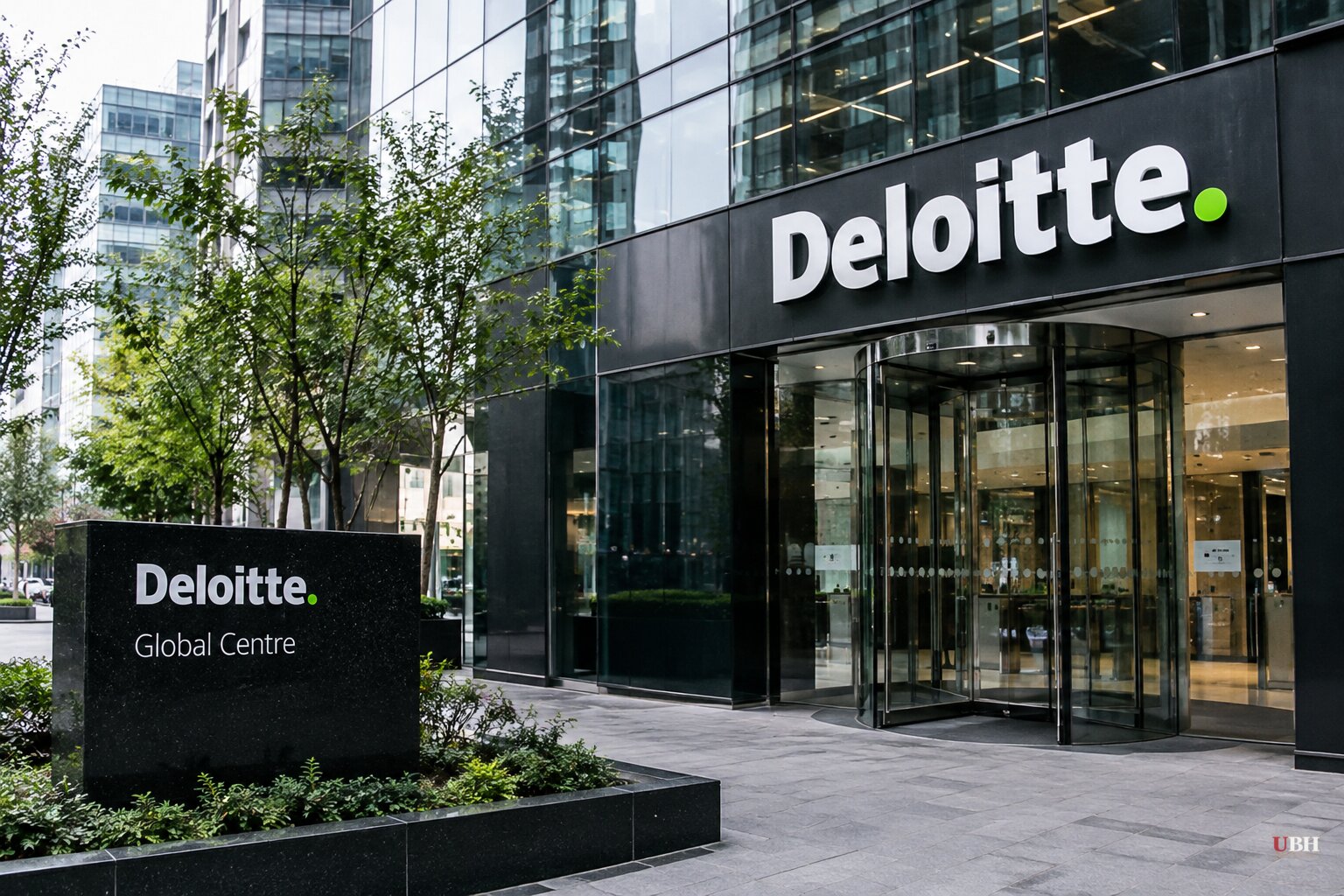
A joint investigation by BBC Panorama and the Bureau of Investigative Journalism, published today, Oct. 12, alleges that Deloitte Cyprus helped approve backdated records that stripped hundreds of millions of dollars from the public accounts of companies tied to Roman Abramovich. The partners in the Cyprus Confidential project include the Guardian and the Organized Crime and Corruption Reporting Project.
These are allegations drawn from leaked corporate files. No court or regulator has made a finding on them.
The $672m that disappeared from the books
The Cyprus Confidential leak runs to more than 500,000 documents, including files on Abramovich's offshore network, administered from Cyprus between 1995 and 2022.
The first case involves Amiscan Investments, a Cyprus-based company. According to the investigation, Cyprus introduced a requirement in 2006 to disclose corporate accounts. Abramovich's advisers and the firm MeritServus then arranged to move Amiscan's assets to its parent structure in the British Virgin Islands. The paperwork was backdated to 2003.
Deloitte Cyprus reviewed the documents and treated them as enough to take the assets off Amiscan's books, the investigation says. After the 2003 accounts were signed in 2006, Amiscan showed just $75,000. The assets removed included superyachts, mansions, private jets and helicopters worth $672m (£508m).
Lord Prem Sikka, an accounting professor at the University of Sheffield, said misstating transaction dates and failing to publish accurate accounts could breach a statutory duty.
Kravin and Electus
Kravin Investments, another Cypriot company, held almost $2bn in bank accounts in 2003. The Guardian's analysis says it received a $3bn windfall in May 2003.
Leaked documents show MeritServus, after meeting Deloitte, proposed changing the 2003 and 2004 financial records. An email from September 2005 shows Deloitte indicating adjustments to bank balances, interest income and profit-and-loss figures. The aim, according to the investigation, was to make Kravin look like it merely held money for a BVI parent. That would mean no Cypriot tax on the interest income.
Barrister Andrew Mitchell KC, who specialises in financial services law, called it "straightforward" tax evasion and said "it couldn't be more blatant." He said similar conduct involving similar sums in England would likely draw an HMRC investigation with a view to prosecution.
The third case is Electus Investments. The documents allegedly made more than $10bn appear to have belonged since Nov. 20, 2003 to a BVI company of the same name. When the Cypriot entity's accounts became public, they showed only $145,000.
The High Court angle
The Bureau's separate strand concerns a lawsuit by Yugraneft, a company owned by Chalva Tchigirinsky, over Siberian oilfields held in a joint venture with Abramovich's Sibneft. Tchigirinsky's side said Abramovich diluted its stake in secret meetings. The case reached a London High Court hearing in 2008 and was thrown out on grounds including jurisdiction.
Eugene Tenenbaum, Abramovich's closest aide in London, said in a witness statement that he knew nothing of the dealings at the heart of the case. The Bureau says the files show him authorising those very agreements. It also says some documents later relied on in court were fabricated with help from Deloitte Cyprus.
The Bureau states it found no evidence the statements or documents were presented with the deliberate aim of misleading the court. Its conclusion is that the court was misled anyway. The Bureau also acknowledges that the evidence arguably did not prove crucial to the judge's decision.
The Guardian reports the papers suggest backdating ran from 1999 until at least 2013.
What the accused say
Abramovich's lawyers say he denies evading tax or concealing his fortune. They say he was not involved in day-to-day management of the companies. They also say no evidence shows he knew about, authorised or directed the falsification of any document. In their words, relying on professional advice was legitimate.
Tenenbaum denies wrongdoing and says he relied on Deloitte Cyprus's specialist advice.
Deloitte Cyprus says it "acts in compliance with applicable laws." It says it cannot comment on the specifics because the documents are more than 20 years old and no longer available to it.
The firm cannot check the claims against its own files, and the journalists' account rests on leaked copies that no court has tested.
Sanctions and what comes next
The UK sanctioned Abramovich after Russia's full-scale invasion of Ukraine in 2022 and forced the sale of Chelsea FC, which he bought in 2003. He has been reported to be living in Turkey. In Jersey, £5.4bn of his assets remain frozen, and a criminal investigation has run for four years. His lawyers say he denies the allegations in that investigation and that it was "undertaken for political purposes."
Cypriot MP Christos Christofides said the findings demand accountability. He said authorities should examine how any evaded tax could be recovered and make sure those responsible face legal consequences.
Whether Cypriot, British or Jersey prosecutors act on these documents remains open. The records are two decades old, and Deloitte Cyprus says it no longer holds the originals.
Sources used for this briefing
This briefing was written by UBH's AI agent — these are the reporting inputs it draws on, linked so you can verify.


