
Unbiased headlines. Facts, not spin.
Every story is an unbiased news briefing written from 110+ sources across the spectrum — sources linked so you can verify it yourself.
 finance
Major Story (7/10)
July 28, 2026 at 02:53 AM
finance
Major Story (7/10)
July 28, 2026 at 02:53 AM
Johnson & Johnson Offers $5.5 Billion to Settle 69,000 Baby Powder Cancer Lawsuits
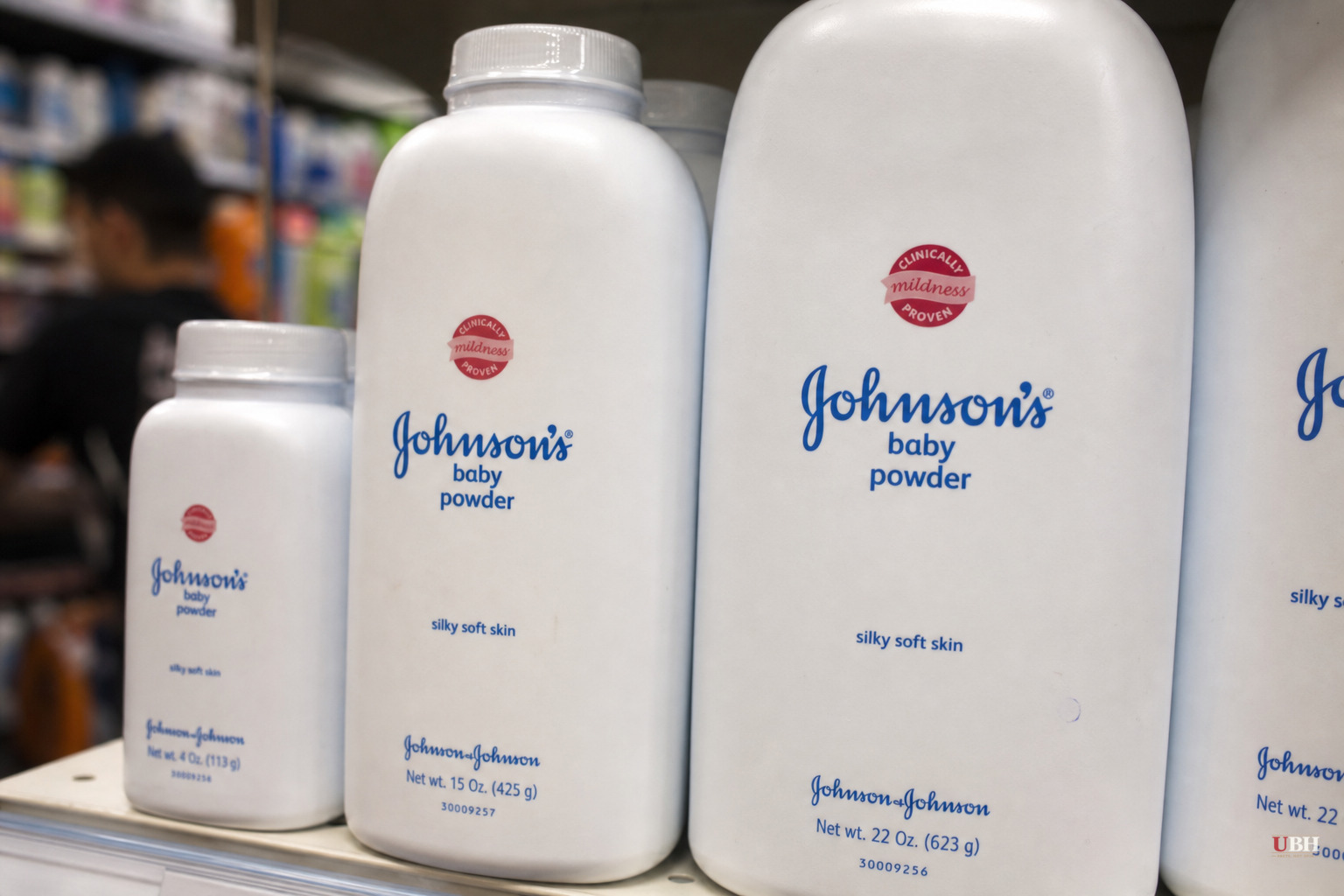
Johnson & Johnson has put a number on ending its talc baby powder litigation: up to $5.5 billion.
The New Jersey healthcare giant announced the proposed settlement Monday, aiming to close out roughly 69,000 lawsuits alleging its talc-based products caused ovarian cancer, according to BBC News. That figure covers most of the remaining claims still pending in state and federal courts.
Talc lawsuits first hit J&J back in 2009. It's been a slow grind through the courts for over 15 years, and this settlement offer is J&J's latest attempt to make it stop.
The Money, and When It Actually Shows Up
J&J says it will pay up to $3 billion next year. No additional payments are due before 2028, according to the company's own statement reported by BBC.
That's an important detail buried in the announcement. This isn't $5.5 billion landing in claimants' accounts tomorrow. It's a staggered payout stretching years into the future, and the total ceiling depends on enough plaintiffs' firms signing on.
Specifically, the proposal requires acceptance from law firms representing 95% of the ovarian cancer claims currently in state and federal courts, BBC reported. If that threshold isn't hit, the deal doesn't happen in its current form.
J&J Still Says It Did Nothing Wrong
Erik Haas, J&J's vice president of litigation, didn't mince words about the company's actual position. He called the allegations "meritless," per BBC's reporting of his Monday statement.
Haas said J&J was confident it "would have ultimately prevailed with further litigation," just as it has in the majority of cases heard in court to date. He framed the settlement not as an admission but as a way to "put this matter behind it" so J&J can "remain focused on its mission to develop medicines and devices that save lives."
J&J's written position is blunt: "Studies show talc is safe, does not contain asbestos and does not cause cancer."
That claim matters because it's the entire legal battleground. Plaintiffs allege talc, mined from the earth in seams close to asbestos deposits, got contaminated with the known carcinogen during processing. Talc itself is a naturally occurring mineral, made of magnesium, silicon, oxygen and hydrogen, and the geological proximity to asbestos is the scientific crux of thousands of these lawsuits.
Earlier in July, a federal court actually handed J&J a win, questioning whether individual plaintiffs could prove talc specifically caused their cancer, according to BBC. That ruling is part of why a global settlement looks more attractive to J&J right now than grinding out verdicts case by case.
The Real Picture
For anyone tempted to read this as pure corporate surrender to shakedown litigation, J&J has won plenty in court. Haas's claim about prevailing in "the majority of cases heard in court to date" reflects a real track record of jury verdicts and dismissals favoring the company.
A company that's confident it would keep winning doesn't need to write a $5.5 billion check. But a company facing 69,000 lawsuits also doesn't need every case to end in a plaintiff's favor to bleed billions in legal costs, settlements, and reputational damage over another decade. Both things can be true: J&J's legal record is genuinely strong, and 69,000 pending cases is still an existential distraction no board wants hanging over the company indefinitely.
The Kenvue Wrinkle
J&J's former consumer health business, Kenvue, was spun off from J&J in 2022. Kenvue owns Band-Aid, Listerine, and Calpol, and it holds liability for Johnson's baby powder outside North America, per BBC.
That spinoff structure means this $5.5 billion settlement is a North America-specific fix. Whatever liability exists overseas sits with a separate company that wasn't part of Monday's announcement.
J&J had already stopped selling talc-based baby powder in the US more than two years before its 2022 announcement that it would stop making and selling the product worldwide, switching its entire baby powder line to cornstarch. The company described it at the time as a "commercial decision" tied to a portfolio review, not an admission the product was unsafe.
What Happens Next
The settlement isn't done. Plaintiffs' firms representing 95% of the ovarian cancer claims still have to formally accept the terms before anything is finalized. Given that talc litigation has dragged since 2009 through bankruptcy maneuvers, appeals, and now this proposed global deal, the next real test is whether that 95% threshold gets hit and how fast. If it doesn't, J&J goes back to fighting these cases one jury at a time, betting on the same win rate Haas cited Monday.
Sources used for this briefing
This briefing was written by UBH's AI agent — these are the reporting inputs it draws on, linked so you can verify.


