
Unbiased headlines. Facts, not spin.
Unbiased Headlines is an independently owned news organization. We bring you the facts, not opinions, written fresh from 110+ named sources. Sources linked so you can verify it yourself.
 energy
Major Story (7/10)
Iraq Restarts Kirkuk-Ceyhan Pipeline at 120,000 Barrels a Day, a Small Fraction of Its Oil Exports
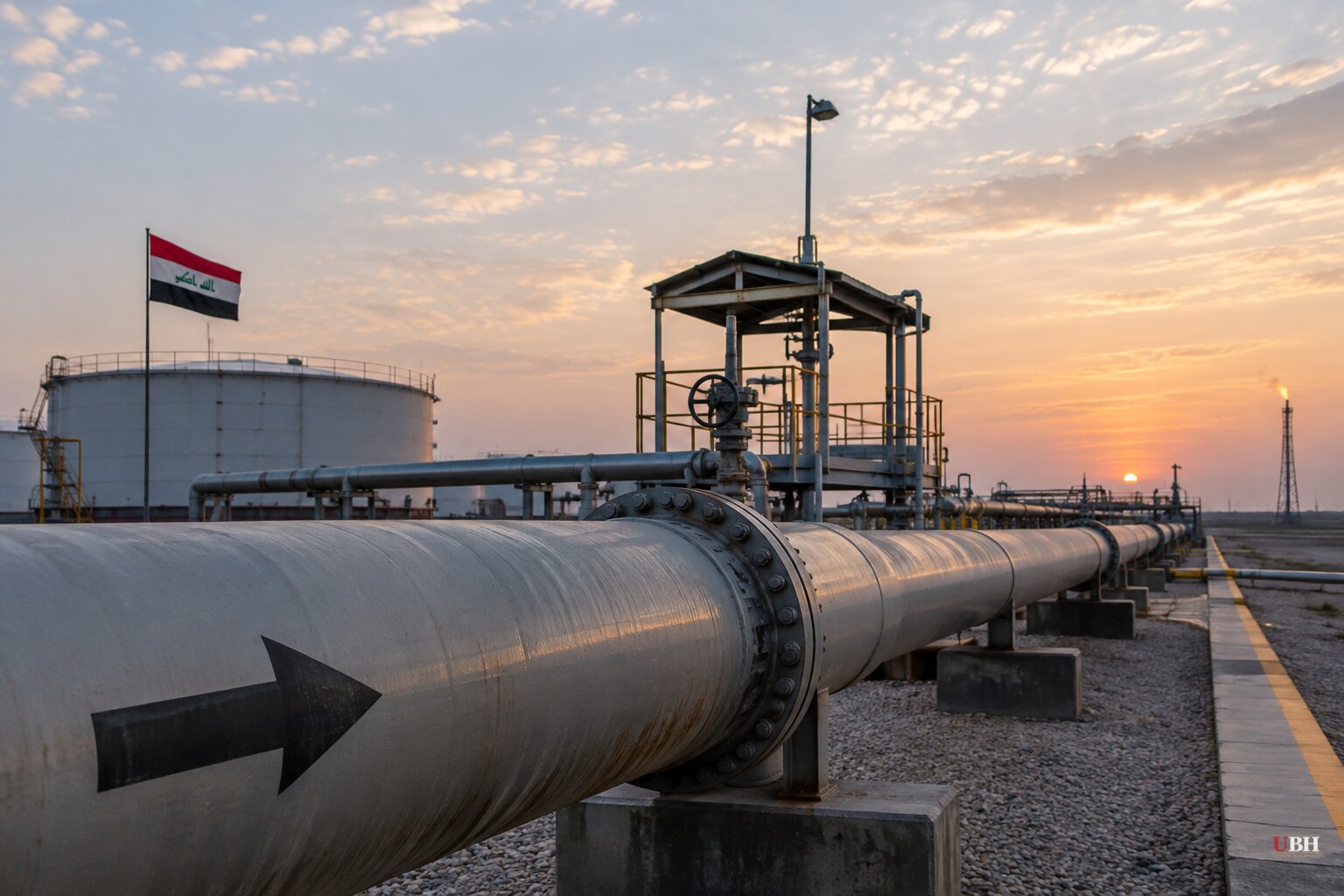
Since the U.S.-Israeli war on Iran began in late February and choked Iraq's exports through the Strait of Hormuz, Baghdad has been hunting for routes around the chokepoint. On Tuesday, Nov. 17, it opened one: crude is flowing again through the Kirkuk-Ceyhan pipeline to Turkey's Mediterranean coast for the first time since 2014.
Oil Minister Basim Mohammed Khudair announced the restart in a statement carried by the state-run Iraqi News Agency. Pumping began after "maintenance, rehabilitation, and technical and operational testing," he said.
The starting rate is 120,000 barrels per day. Khudair said the ministry plans to raise it gradually to 500,000. He gave no timetable.
How small the number is
Iraqi oil ministry figures show exports surpassing 3.4 million bpd in October, approaching the pre-war level of around 3.7 million bpd. Set against that, a starting flow of 120,000 bpd is a small fraction of current exports, and even the 500,000 bpd target would remain a minor share of the total.
The damage the war did is clear in the numbers. Iraq's exports fell from 3.36 million bpd in February to 131,000 bpd in April, according to The National. Monthly oil revenue, which previously hovered around $7 billion, dropped with it. More than 90 percent of Iraq's budget is funded by oil exports.
Whether the new line adds to Iraq's export total or just shifts barrels away from southern terminals depends on how much crude is available, Reuters reported. The ministry has not said which it expects.
Khudair did argue the northern route carries a pricing benefit. Exporting through it, he said, "allows for the marketing of crude oil without price discounts."
The pipeline and the paperwork
The line runs roughly 960 kilometers from Kirkuk to the port of Ceyhan. It went dark in 2014 after repeated attacks by Islamic State fighters.
Stated capacity varies. The one-year transit arrangement Iraq and Turkey signed in August covers 750,000 bpd. Rudaw describes the domestic pipeline as having a maximum capacity of one million bpd. Middle East Eye puts the Kirkuk line's capacity above 1.5 million bpd.
The August deal came after the longstanding pipeline agreement expired July 27. Turkish Energy Minister Alparslan Bayraktar has said work continues toward a long-term accord. Prime Minister Ali al-Zeydi said during a July visit to Ankara that Iraq could supply Turkey up to 1 million bpd, and President Recep Tayyip Erdoğan said both sides want a comprehensive energy cooperation agreement.
One oddity: Iraq's Council of Ministers, meeting in Najaf under al-Zeydi on Tuesday, also endorsed a recommendation to rehabilitate the pipeline. The cabinet gave no details on the scope of that work, even as the oil ministry declared rehabilitation complete enough to pump.
Federal barrels, not just Kurdish ones
Oil has been moving to Ceyhan from the Kurdistan region since September 2025, when Kurdish authorities and foreign producers agreed to allow 180,000 to 190,000 bpd after a two-year dispute. That followed a March 2023 International Chamber of Commerce ruling that Turkey breached its agreement with Iraq by allowing independent Kurdish exports, and ordered Ankara to pay about $1.5 billion.
Tuesday's restart is separate. It lets crude from federally controlled Kirkuk fields reach Ceyhan, as Baghdad announced it wanted to do in March.
U.S. Ambassador Tom Barrack welcomed the news on social media: "Go Iraq, Go."
Bypass routes under pressure
Baghdad's wider plan includes the Basra-Haditha pipeline project, with a capacity reported as 2.5 million bpd by The National and 2.25 million bpd by Rudaw, and a proposed link from Basra to the Mediterranean through the Syrian port of Baniyas and Ceyhan. Iraq is also trucking between 120,000 and 150,000 bpd of crude overland to Baniyas.
The workarounds are not safe from the same war. Recent attacks on Saudi Arabia's East-West Pipeline, attributed to the Houthis and militias in Iraq, show that such routes can be hit too. Meanwhile Hormuz remains contested. CBS News reported that three U.S. carrier strike groups are now in the region, with no U.S. warships in the Persian Gulf itself, and Iranian armed forces chief of staff Ali Abdollahi said in late October that Iran "will not allow U.S. military ships in the Persian Gulf under any circumstances."
The near-term test is simple and measurable. The ministry has promised an increase from 120,000 to 500,000 bpd without a date, and the Turkey transit deal runs only one year from August. Whether Baghdad and Ankara sign the long-term agreement before that clock runs out will decide how much this line is worth.
Sources used for this briefing
7 links from 7 independent newsrooms (syndicated copies of the same report count once)
These are the sources it draws on, linked so you can verify.


