
Unbiased headlines. Facts, not spin.
Unbiased Headlines is an independently owned news organization. We bring you the facts, not opinions, written fresh from 110+ named sources. Sources linked so you can verify it yourself.
 energy
Notable (6/10)
Energy Price Cap Forecast to Jump 26% to £2,166 in January as UK Inflation Hits 3.6%
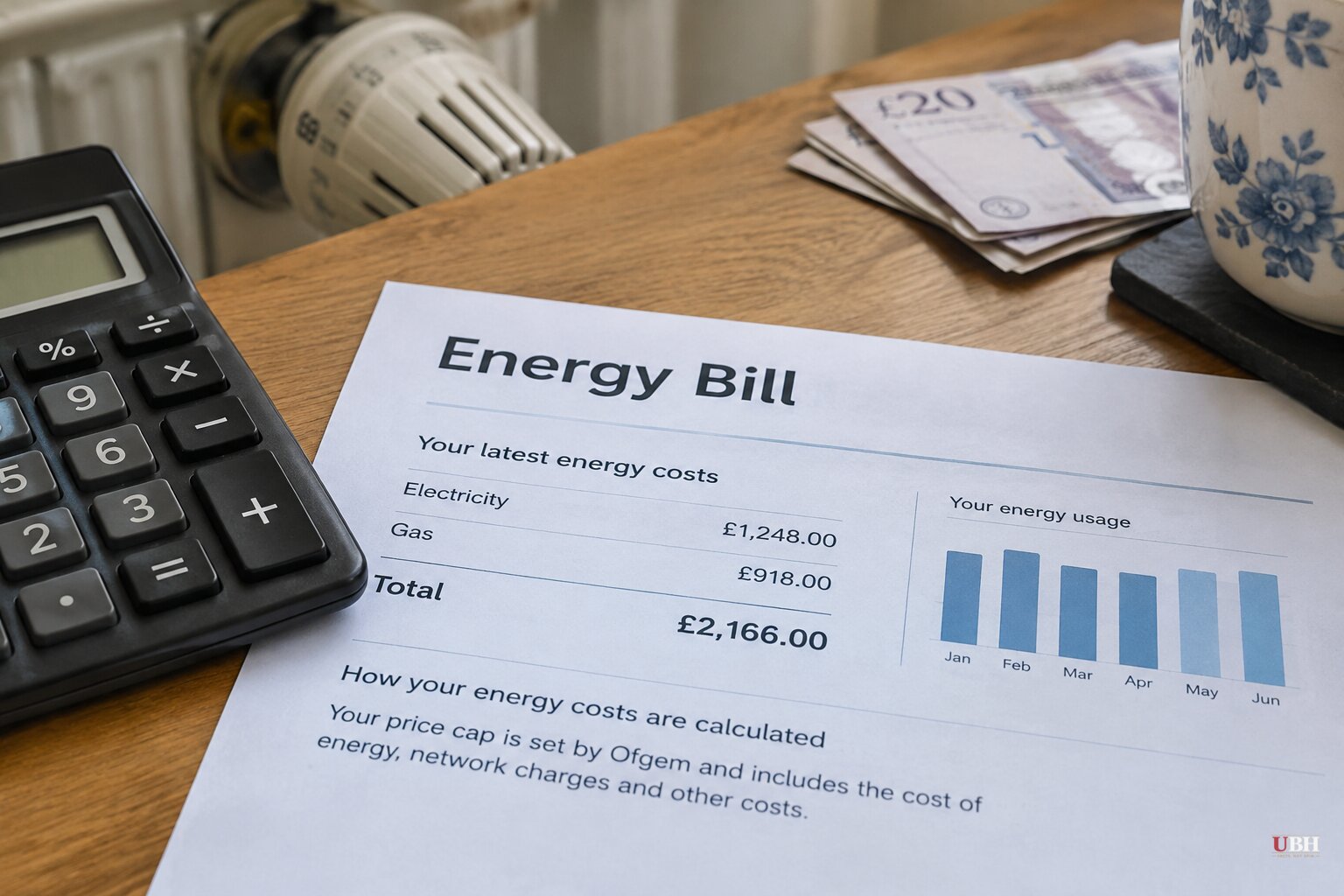
The price cap on a typical UK household's gas and electricity is forecast to climb 26% on Jan. 1, from £1,723 to £2,166 a year. That is an increase of £443, according to consultancy Cornwall Insight, and it would be the highest level since 2023.
Ofgem, the energy regulator, is due to announce the official January-to-March cap on Nov. 25. Neil Kenward, Ofgem's director general for markets, has already told MPs that bills are "likely to rise significantly in January" and that this "will cause serious and significant problems for a number of consumers, both households and businesses."
The number, and what it does not mean
The £443 figure has been widely presented as a yearly hit. Martin Lewis, founder of MoneySavingExpert, says that is wrong. The forecast covers one three-month cap period, he said, and extrapolating it to a full year "doesn't make sense."
Lewis still calls the January rise "a hideous 26%." But he says the April, July and October caps are far less certain and "could vary substantially."
The cap also does not limit what a household pays in total. It sets the maximum unit rates and standing charges suppliers can charge on standard variable tariffs. Use more energy in a cold January and the bill goes up regardless.
Cornwall Insight says wholesale prices have eased in recent weeks amid hopes of a resolution to the Middle East conflict, but not fast enough to stop the January jump. It flags a possible further small rise in April, though that forecast could shift before Ofgem's February announcement.
Craig Lowrey, the firm's retail markets principal, said the timing "could hardly be worse," with colder weather lifting usage. He added that government support "can only chip away at the edges" of a bill being pushed up by events in the Middle East.
Inflation and interest rates
The energy forecast landed on the same day as the latest inflation data. Prices rose 3.6% in the year to October, up from 3.5% in September and the highest rate in a year. It is the fourth successive rise.
Grant Fitzner, the ONS chief economist, said fuel prices were "once again a major contributor." The BBC reports that the US-Israel war with Iran has driven up energy and fuel costs.
The Bank of England responded earlier this month with its first rate rise in three years, from 3.75% to 4%. It signalled another increase could follow unless the Middle East conflict is resolved. Higher rates raise costs on some mortgages, loans and credit cards, while improving returns on savings.
The Bank also said it had seen "limited evidence" of energy costs feeding into food prices, with some firms absorbing the increases and accepting thinner margins.
What the government is offering
The government points to measures from the Budget. Households in council tax bands A to D in England will get a one-off £100 Household Energy Payment. VAT is being removed from electricity bills, which Energy Secretary Miatta Fahnbulleh's department puts at roughly £45 a year. The Chancellor also announced gas standing charges will be eliminated in England, Scotland and Wales.
Cornwall Insight's £2,166 forecast does not include the £100 payment, because it is paid separately from the cap.
Fahnbulleh said: "I know that the price of energy bills this winter weighs heavily on struggling families up and down the country. Access to energy is an everyday essential and not a luxury. Affordability is my number one priority." Emma Reynolds, chief secretary to the Treasury, said the government was providing help with energy costs.
The Conservative attack
The Conservatives say the government's own policies share the blame. Andrew Bowie, the shadow energy secretary, said Labour "promised to cut bills by £300" and that families now face a January shock leaving them "around £870 a year worse off than when Labour came to office."
Bowie blamed Labour's "net zero zealotry," greater reliance on imported gas, the winding down of North Sea production and green levies loaded onto bills. He said a Conservative "Cheap Power Plan" would cut bills immediately for all households.
Shadow chancellor Andrew Griffith tied the four straight inflation rises to "soaring energy costs" and to Labour's decision to "hike taxes and employment costs."
Cornwall Insight attributes the bill rise to events in the Middle East, and the government's response is aimed at cushioning households rather than disputing the forecast. The Conservative claims about levies and North Sea policy are political arguments that Ofgem's coming announcement will not settle.
What comes next
Ofgem's confirmed January cap arrives on Nov. 25. Whether the number lands near £2,166 depends on wholesale prices in the days before, and on whether the Middle East talks hold. The April cap, which Cornwall Insight says could rise slightly, will not be set until February.
Sources used for this briefing
7 links from 7 independent newsrooms (syndicated copies of the same report count once)
These are the sources it draws on, linked so you can verify.


