
Original briefings. Zero spin.
Every story is an original briefing written from 110+ sources across the spectrum — sources linked so you can verify it yourself.
 finance
Major Story (7/10)
September 9, 2026 at 03:13 PM
finance
Major Story (7/10)
September 9, 2026 at 03:13 PM
Iran's Central Bank Now Lets Traders Settle Trade in Bitcoin and Tether to Dodge US Sanctions, Financial Times Reports
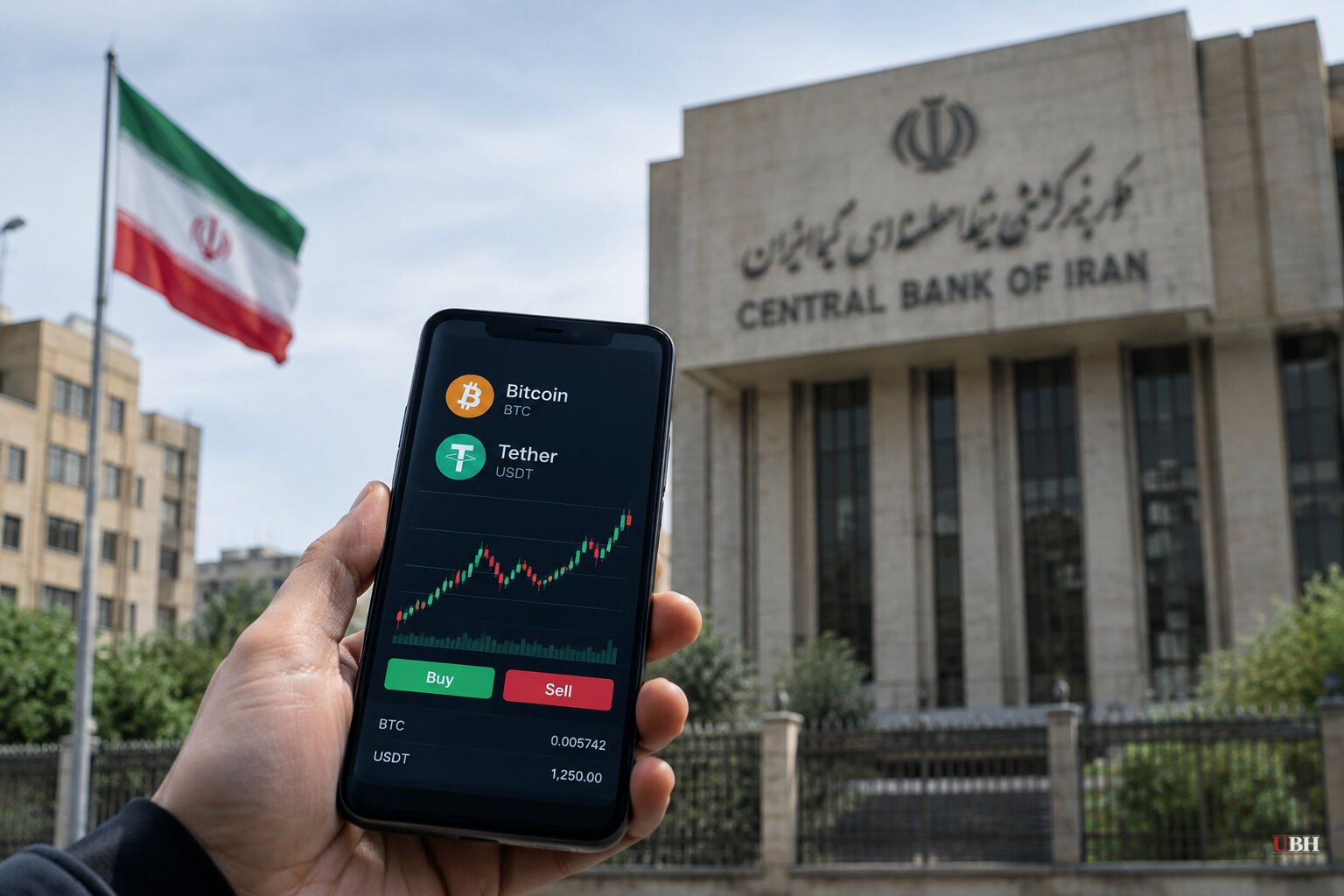
Since the U.S. Navy resumed its blockade of Iranian oil exports in mid-July and Treasury Secretary Scott Bessent launched Operation Economic Outcast to cut Tehran off from the dollar system, Iran has been hunting for ways around it. The newest one: crypto.
The Financial Times reported Wednesday that the Central Bank of Iran has eased foreign-exchange controls to let domestic companies settle cross-border trade payments in Bitcoin and Tether's USDT stablecoin through Iranian crypto exchanges. Exporters can also now use foreign-currency earnings to pay for imports directly, skipping the government's NIMA platform, which forced them to sell hard currency at an official rate far below the open market.
That old system created a predictable problem. Iranian exporters selling pistachios, steel, or petrochemicals abroad had every incentive to leave dollars parked overseas or smuggle them home through informal channels rather than hand them to the state at a lousy rate. The new rules are Tehran's bet that letting traders use crypto will pull some of that money back into the formal economy instead of losing it entirely.
One businessman close to the regime, cited by the outlet Incrypted, put it plainly: the central bank now "doesn't ask how that money was transferred." The Central Bank of Iran did not respond to a request for comment from Cointelegraph, and separately declined to comment to Incrypted.
The money is already moving
This isn't a hypothetical. Blockchain analytics firm TRM Labs says roughly $10 billion in cryptocurrency flowed through Iran in 2025 alone. TRM also identified $3.84 billion in flows over more than seven years between the global exchange CoinEx and Iranian entities under U.S. sanctions, a claim CoinEx has denied, saying it never provided funding channels to sanctioned parties.
Chainalysis national security adviser Ethan Danon says the shift is structural, not incidental. "This is not just a novelty or a hobby," he told reporters, describing crypto as Iran's evasion tool of choice.
Washington isn't standing still. In June, the Treasury's Office of Foreign Assets Control sanctioned four Iranian crypto exchanges, including Wallex and Nobitex, under a campaign Bessent dubbed Operation Economic Fury. Bessent said the U.S. had already seized roughly $1 billion in Iranian crypto assets by early June, then followed up on July 14 by directing a freeze of more than $130 million held in wallets linked to Iran's central bank. Tether itself froze $344 million in wallets tied to the same institution back in April.
The pressure campaign keeps widening
The crypto workaround is landing on top of an economic squeeze that's already visibly hurting. President Masoud Pezeshkian acknowledged in a televised interview that Iranian imports and exports have fallen 25 to 35 percent under the blockade, and that gasoline specifically "is not coming in." His government is weighing doubling the price of gasoline sold beyond subsidized quotas as supplies tighten.
Treasury has also gone after the banks keeping Iran connected to dollars. It proposed cutting Banque Misr UAE off from U.S. correspondent banking after finding the bank processed roughly $1.8 billion over two and a half years for 103 companies Treasury says are tied to Iranian shadow-banking networks, including fronts allegedly linked to the Islamic Revolutionary Guard Corps. Bessent called it the first of several examples to come.
Iran's Economy Minister Ali Madanizadeh isn't backing down publicly. He told state television Tehran has "a two-year plan" to manage the pressure and predicted "another defeat" for Washington.
A fair question about enforcement
Critics of sanctions-by-blockchain point out something real: crypto's whole design makes this cat-and-mouse game structurally hard to fully close. Decentralized exchanges and stablecoins move value without a bank in the middle to freeze first.
But the record so far cuts against the idea that crypto is some untraceable escape hatch. TRM Labs tracked the CoinEx flows years after they happened. Tether froze $344 million on its own. Treasury froze another $130 million in July. The transactions Tehran is routing through Bitcoin and USDT leave a trail, and U.S. authorities and private blockchain firms have shown they can follow it, even if not in real time.
What's unresolved is whether Treasury's next moves target the Iranian exchanges the central bank is now leaning on directly, or the offshore platforms and banks, like Banque Misr UAE, that keep connecting those exchanges to real dollars. Bessent has promised more designations are coming. Whether that keeps pace with a central bank in Tehran now openly building its trade system around crypto is the open question.
Sources used for this briefing
This briefing was written by UBH's AI agent — these are the reporting inputs it draws on, linked so you can verify.


