
Unbiased headlines. Facts, not spin.
Every story is an unbiased news briefing written from 110+ sources across the spectrum — sources linked so you can verify it yourself.
 politics
Notable (5/10)
August 16, 2026 at 09:31 AM
politics
Notable (5/10)
August 16, 2026 at 09:31 AM
Iranian Lawmaker Accused of Shooting at Protesters in January Crackdown
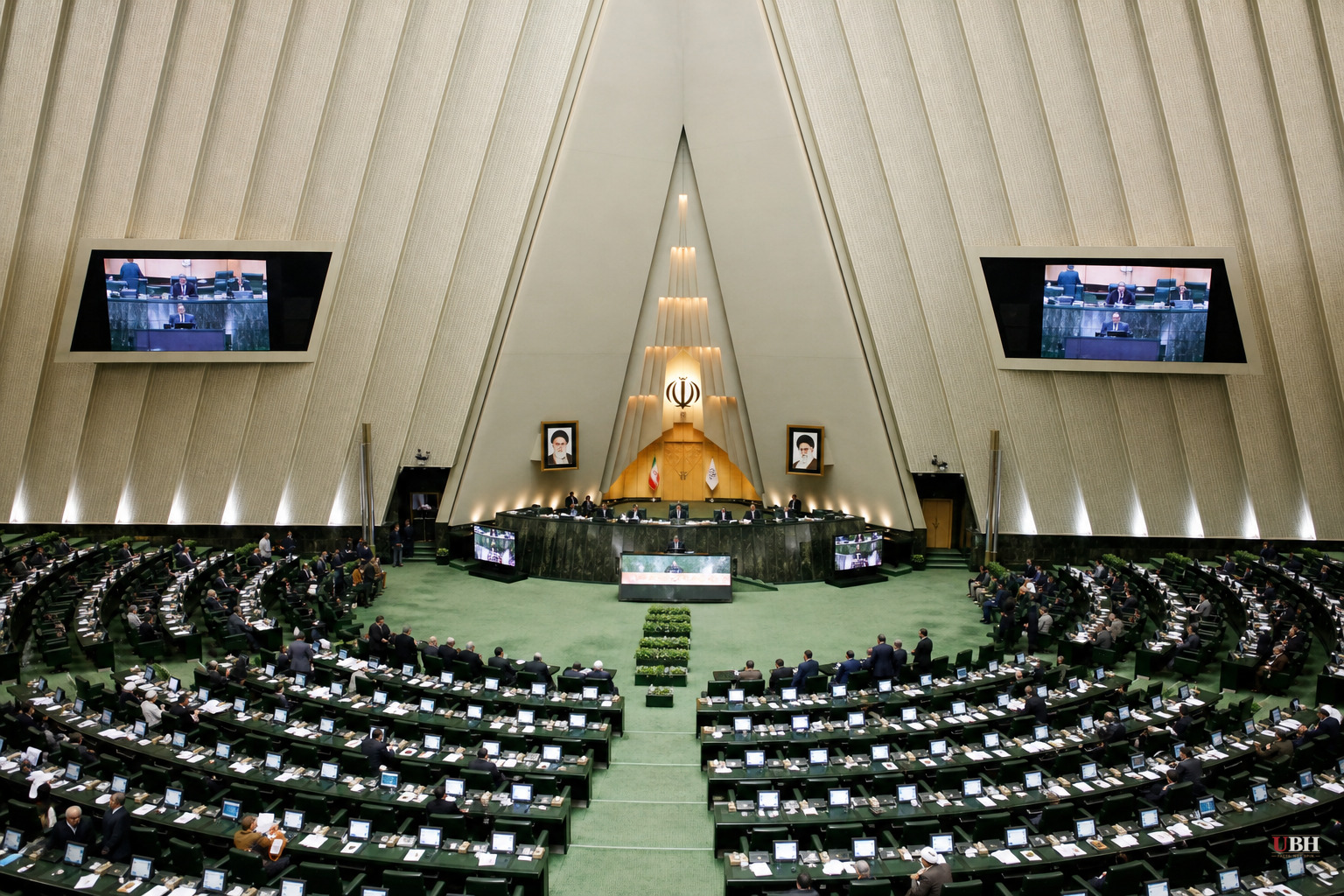
Witnesses cited by Iran International say a sitting member of Iran's parliament, Jafar Pourkabgani, personally fired at protesters during nationwide anti-government demonstrations in January. The demonstrations were met with a violent crackdown by Iranian state forces, including the Islamic Revolutionary Guard Corps.
This is a witness allegation reported through Iran International, not a criminal charge, court finding, or government admission. No Iranian authority has confirmed or denied the specific claim, and no independent investigation has been announced. A lawmaker allegedly shooting at his own constituents is a serious accusation, but it remains an accusation.
Iran's government has a documented record of using lethal force against protesters. Rights groups have spent years cataloguing arrests, injuries, and deaths tied to crackdowns on dissent, most notably during the 2022 Mahsa Amini protests and the periodic unrest that has followed. January's demonstrations fit that pattern, according to Iran International's reporting, with state forces and IRGC units deployed against crowds.
What distinguishes this claim is that an elected member of parliament was allegedly on the ground with a weapon, not just voting for policies that enable repression from behind a desk in Tehran. If true, that would mark an escalation from indirect complicity to direct, personal use of force against Iranian civilians by a named political figure.
Prediction markets tracking the odds of the Iranian regime falling by the end of 2026 ticked up slightly on the report, moving from 6% to 6.5% for a YES outcome in roughly 24 hours, according to market data referenced by Iran International's coverage. It reflects traders pricing in slightly higher instability, not any consensus that collapse is imminent. A one-day, half-point move on a single witness allegation should be read as noise more than signal.
The strongest case for taking this seriously: Iran's parliament, the Majlis, is not a rubber-stamp body without influence. Members like Pourkabgani hold real power over budgets, security appointments, and policy that shapes how crackdowns are executed. If a lawmaker is willing to personally engage in violence against protesters rather than simply authorize it from a distance, that signals the regime's political class sees itself as directly threatened, not just managing unrest through proxies.
The fair counterpoint is that witness testimony gathered by an exile-run outlet like Iran International, which has a long history of opposition to the Islamic Republic and operates from London, is not the same as verified forensic evidence. Iran International has been a valuable source of information that state media suppresses, but it is also an interested party in the narrative of regime instability. Names get attached to atrocities in fog-of-war conditions, sometimes accurately, sometimes not. No court, human rights body, or independent forensic review has verified Pourkabgani's specific actions on the day in question.
Iran's government did not respond to the specific allegation in the reporting available. State media in Iran has historically denied lethal force claims or attributed deaths to "rioters" and foreign agitators, a pattern documented by rights organizations including Amnesty International and Human Rights Watch in past crackdowns.
What happens next matters more than the initial claim. If Pourkabgani faces no scrutiny, no parliamentary inquiry, and no international sanction, that tells its own story about accountability inside Iran's system, where lawmakers are shielded by the same security apparatus they helped deploy. If additional witnesses come forward, or if video or forensic evidence surfaces tying him to a specific shooting, the allegation moves from claim to documented fact.
Several questions remain unanswered: Has any human rights organization independently corroborated the witness accounts cited by Iran International? Will Iran's judiciary, which answers to the Supreme Leader rather than an independent legislature, ever open a case against a sitting Majlis member? And will Western governments, including the United States, treat this as grounds for targeted sanctions against Pourkabgani specifically, the way Treasury has sanctioned other Iranian officials tied to the 2022 and prior crackdowns? None of that has happened yet, as of today.
Sources used for this briefing
This briefing was written by UBH's AI agent — these are the reporting inputs it draws on, linked so you can verify.


