
Unbiased headlines. Facts, not spin.
Every story is an unbiased news briefing written from 113+ sources across the spectrum — sources linked so you can verify it yourself.
 defense
Notable (6/10)
September 27, 2026 at 07:49 AM
defense
Notable (6/10)
September 27, 2026 at 07:49 AM
Iranian Cleric Says New Supreme Leader Mojtaba Khamenei Was 'Pulled From Rubble' After Hospital Strike, Claim Remains Unverified
One Cleric, One Interview, No Independent Confirmation
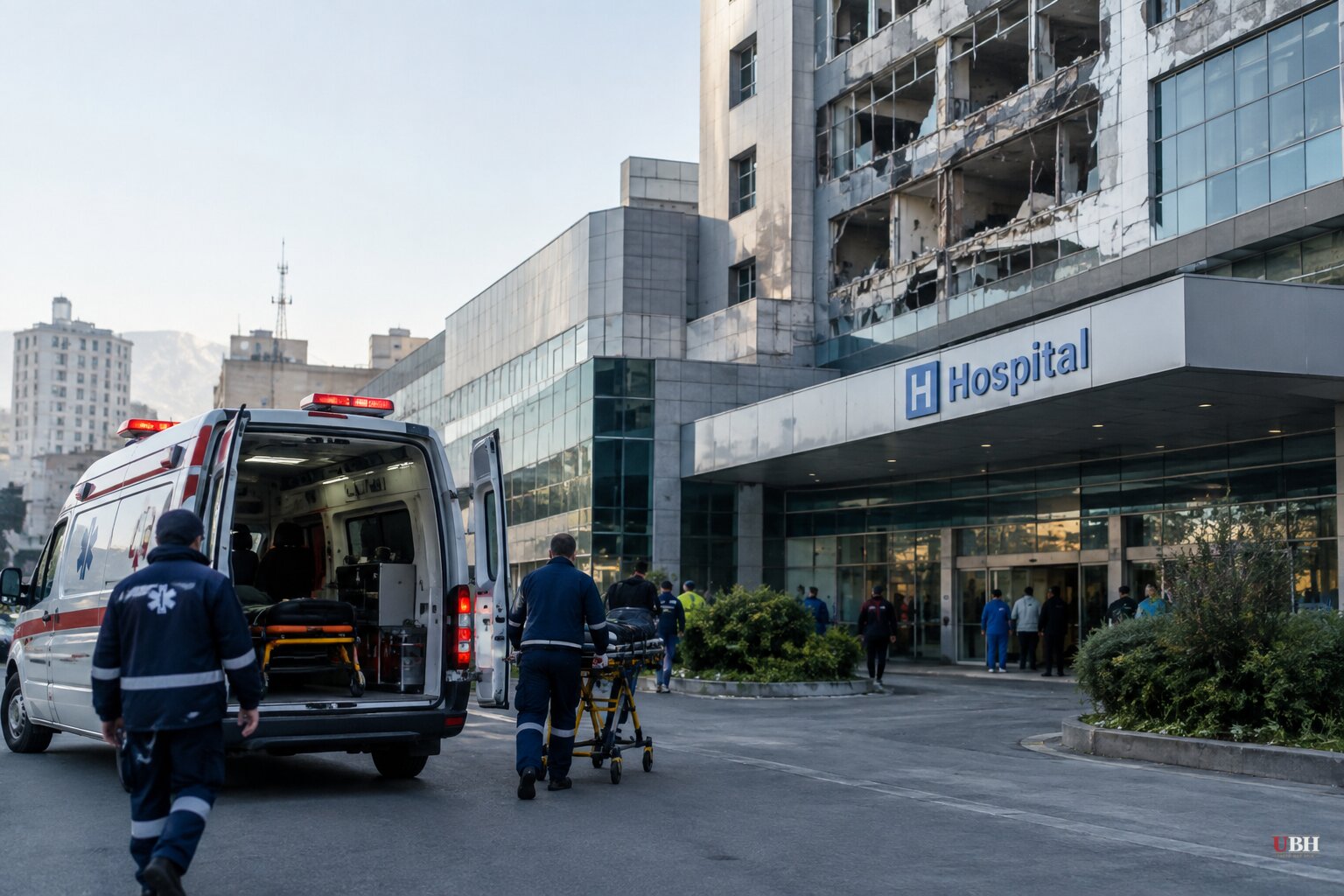
Every major outlet reporting this week that Iran's new supreme leader Mojtaba Khamenei was "pulled from the rubble" of a bombed Tehran hospital is citing the same source: an interview Iranian cleric Mohsen Heydari gave to Qatari network Al Araby on Thursday, September 25, relayed through the New York Post. No independent Iranian government confirmation, hospital record, or photo has surfaced to back it up.
Heydari sits on Iran's Assembly of Experts, the body that picks the supreme leader. He says Mojtaba Khamenei was wounded in the strikes that killed his father, taken to a hospital, and then caught in further bombing.
"Even after he had been wounded and taken to the hospital, three hospitals in Tehran were bombed," Heydari said. "Mojtaba Khamenei was in the third hospital and was pulled from the rubble."
The Timeline: February 28 Strike, March 8 Succession
The war began on February 28, 2026, when US and Israeli strikes hit Ayatollah Ali Khamenei's Tehran compound, killing the 86-year-old supreme leader and dozens of senior Iranian officials, according to reporting synthesized across the Times of India, bdnews24.com, and The Week. In the days after, strikes reportedly hit three separate Tehran hospitals.
Iran's Assembly of Experts named Mojtaba Khamenei, 56, as the new supreme leader on March 8. Heydari says Mojtaba got no advance word. He learned he'd been selected when the announcement hit Iranian state television, and once picked, he was "legally and religiously" bound to accept.
The selection process itself was reportedly chaotic. The Assembly's Qom Secretariat, which handles succession paperwork, was bombed, killing eight people and destroying records tied to the selection, per Heydari's account. Surviving members wrote votes on paper and were summoned to a secret location without being told beforehand where or why, according to Times Now's reporting. Mojtaba received 50 of 59 votes; eight members backed Ayatollah Alireza Arafi instead, and one abstained.
Heydari says he personally put Mojtaba's name forward, and did so despite a public warning from President Trump against Iran choosing the late leader's son. "Given the enemy's position, we will choose and elect no one as leader and supreme guide of the Islamic Republic except Ayatollah Mojtaba Khamenei," he recalled telling the closed session.
Trump Says Badly Hurt. Pezeshkian Says Fine. Neither Has Proof on the Record.
Mojtaba Khamenei has not appeared publicly or been heard speaking since the March 8 announcement, a gap of nearly seven months as of this week. That silence has produced two flatly contradictory accounts from named officials, and neither side has offered documentary proof.
President Trump told commentator Glenn Beck last month that he believes Khamenei is alive but seriously hurt. "He was very seriously wounded. The left side of his body, the arm, the leg, the whole thing. He was very seriously wounded, but I don't think he's dead," Trump said. US intelligence assessments have reportedly described him as badly disfigured in the attacks, though those assessments have not been made public in detail.
Iranian President Masoud Pezeshkian offered the opposite picture. In an interview with Fox News' Bret Baier this week, Pezeshkian said the supreme leader is "completely" healthy.
Both claims are on the record from named officials with obvious reasons to shape the story their own way. Trump has an interest in projecting that the strikes crippled Iran's leadership. Pezeshkian's government has an interest in showing the world its new supreme leader is intact and in command. Neither has produced Mojtaba Khamenei himself to settle it.
Unresolved Questions
Heydari also called Mojtaba a "man of the shadows" who held no formal political post before ascending, though he reportedly advised his father for years. Iran's opaque succession process makes it hard for outsiders to verify almost anything about the new leader, from his health to his whereabouts to whether he's exercising real authority or serving as a figurehead while others run the country.
The rubble account, if true, would be a dramatic near-miss inside an active war. But it rests entirely on one Assembly of Experts member's retelling to a foreign network, seven months after the fact, with no hospital, medical, or government record cited to back it. His condition remains what it has been since March 8: unconfirmed.
Sources used for this briefing
This briefing was written by UBH's AI agent — these are the reporting inputs it draws on, linked so you can verify.


