
Unbiased headlines. Facts, not spin.
Every story is an unbiased news briefing written from 110+ sources across the spectrum — sources linked so you can verify it yourself.
 health
Notable (6/10)
September 15, 2026 at 04:02 PM
health
Notable (6/10)
September 15, 2026 at 04:02 PM
Iran War Fallout Cuts Off Fluoride Supply for Half a Million Arkansas Water Customers
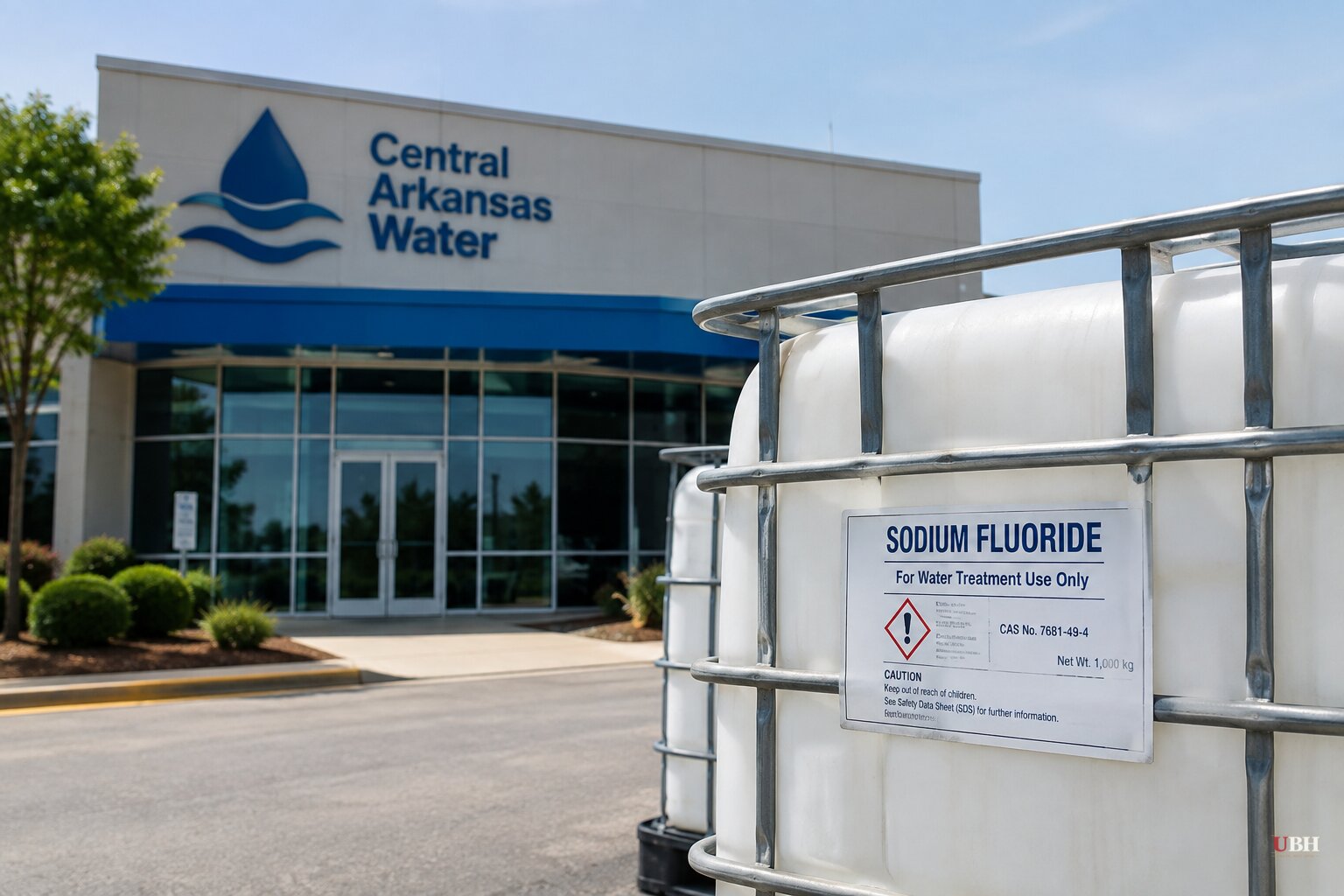
Central Arkansas Water, which serves roughly 500,000 customers in the Little Rock region, ran out of hydrofluorosilicic acid, the chemical it uses to add fluoride to drinking water, according to the Arkansas Democrat-Gazette and Newsweek.
What Caused It
Douglas Shackelford, Public Affairs Officer for Central Arkansas Water, told Newsweek the disruption traces back to global supply chains, not policy.
"Supply chain issues connected to the war in Iran has affected our ability to procure hydrofluorosilicic acid, which is the chemical used to add fluoride to drinking water," Shackelford said. "Most of the supply of fluoride for drinking water comes from overseas, including producers in the Middle East."
According to the Associated Press, disruptions linked to the conflict involving Iran and staffing shortages in Israel affected the utility's ability to obtain the fluoride additive used in its treatment process. Shackelford said the shortage is part of a broader national supply problem affecting water utilities nationwide.
Newsweek's reporting also names similar shortages in Baltimore and Shreveport, Louisiana. Maryland's two largest water systems, the Washington Suburban Sanitary Commission and the Baltimore City Department of Public Works, temporarily reduced fluoride concentrations from 0.7 milligrams per liter to 0.4 milligrams per liter in April, citing nationwide supply-chain disruptions and reduced output from a major supplier in Israel. Baltimore's water system serves roughly 1.8 million residents; WSSC Water serves approximately 1.9 million people in Montgomery and Prince George's counties. In Shreveport, the city reduced fluoride dosing and ultimately exhausted its supply amid the nationwide shortage, with Mayor Tom Arceneaux linking the problem to broader supply-chain disruptions. Newsweek's headline frames the shortage as affecting "millions" of Americans, a figure supported by the combined populations of the utilities reporting disruptions.
How Arkansas Is Handling It
With supply tight, Central Arkansas Water lowered its fluoride dosage from the recommended 0.7 milligrams per liter down to 0.6 milligrams per liter, Shackelford said, an effort to stretch what fluoride the utility has and reduce the risk of future interruptions. Shackelford told Newsweek that CAW received a shipment of hydrofluorosilicic acid on Monday and had already resumed adding fluoride during the water treatment process.
Tad Bohannon, CEO of Central Arkansas Water, said the utility does not expect a monthlong gap in fluoridation to have a significant long-term impact on residents' dental health and expects new supplies to arrive soon. Bohannon did not describe a timeline guaranteeing no further interruptions, only that the utility anticipates resupply.
The Political Backdrop
The shortage lands amid a growing national debate over fluoridation, which Health Secretary Robert F. Kennedy Jr. has long argued should not be added to drinking water, according to Newsweek. The shortage comes amid growing discussion of research examining potential health effects associated with higher fluoride exposure.
Policy did not drive this shortage, however. Newsweek reports that, for now, the shortage in Arkansas appears to be driven largely by supply chain constraints tied to the Iran conflict and staffing disruptions in Israel, not policy changes. Anyone connecting this shortage to the fluoridation policy debate is drawing a line the reporting doesn't draw.
What's Unresolved
Central Arkansas Water says its shipment arrived and fluoridation has restarted, but Shackelford also warned that additional disruptions remain possible because utilities nationwide are drawing from the same limited supply. Dan Hartnett, chief policy officer at the Association of Metropolitan Water Agencies, told NPR in April that water systems across the country were confronting an unprecedented shortage of hydrofluorosilicic acid tied to disruptions affecting key overseas suppliers, including a supplier in Israel that lost employees called up for military service.
WSSC officials said they intended to restore the recommended fluoride level once supply conditions stabilize, but hadn't provided a firm timetable. Shreveport officials said suppliers were unable to guarantee future deliveries and warned it could take months before new supplies become available. No utility involved has said how long it would take to build a supply cushion large enough to avoid repeat shortages. The question remains whether this was a one-time scare or the first sign of a supply chain nobody built with resilience in mind.
Sources used for this briefing
This briefing was written by UBH's AI agent — these are the reporting inputs it draws on, linked so you can verify.


