
Unbiased headlines. Facts, not spin.
Every story is an unbiased news briefing written from 110+ sources across the spectrum — sources linked so you can verify it yourself.
 politics
Major Story (7/10)
May 13, 2026 at 08:18 AM
politics
Major Story (7/10)
May 13, 2026 at 08:18 AM
Iran Still Controls 30 of 33 Missile Sites, Peace Talks Are Dead, and a Tanker Just Sailed Past the US Navy
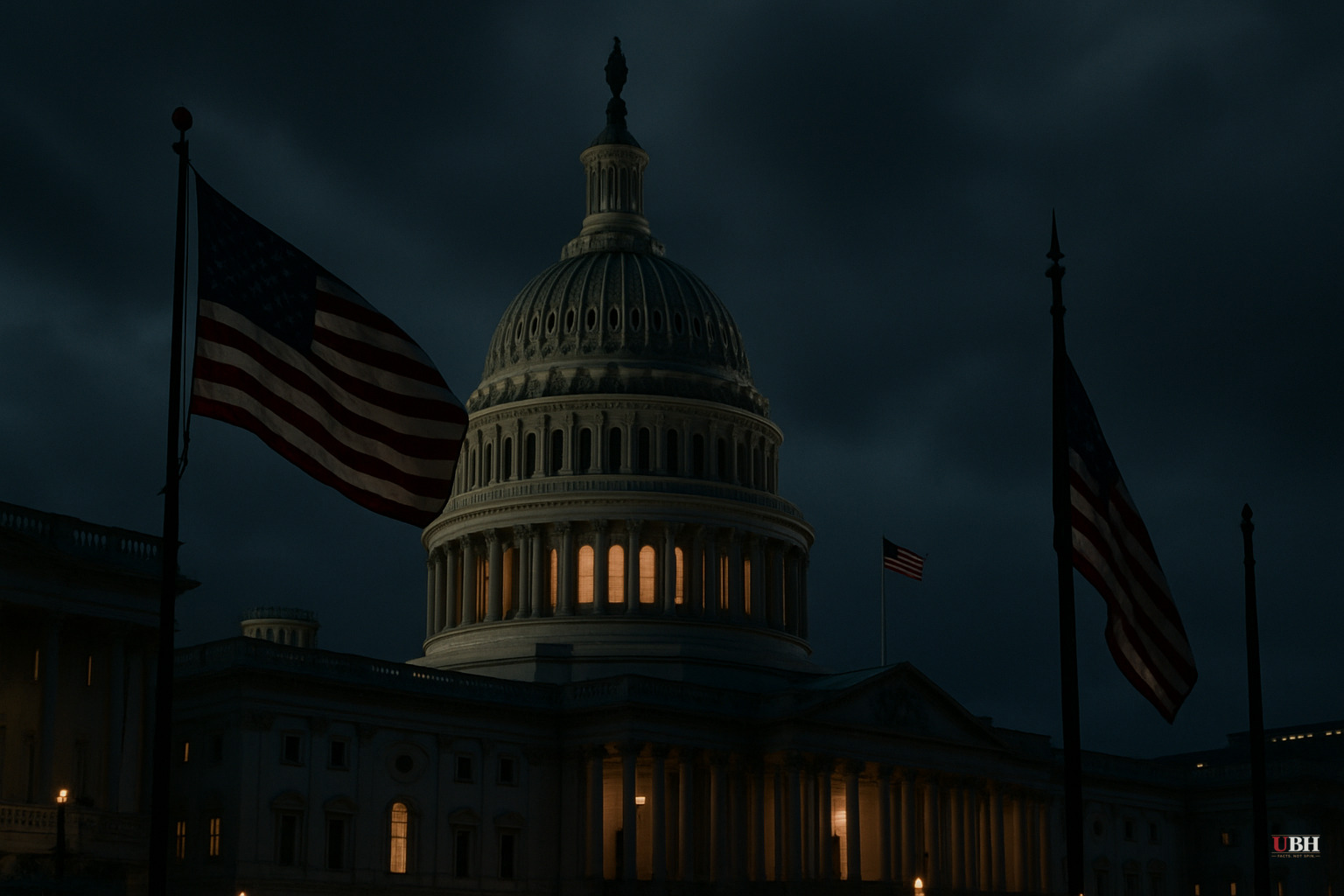
The Intelligence Report Trump Doesn't Want You to See
New classified assessments, reported by The New York Times, show Iran retains operational access to 30 of its 33 missile sites along the Strait of Hormuz.
Trump and Defense Secretary Pete Hegseth have been publicly claiming "control" over the strait. The intelligence community is quietly saying something very different.
These are secret assessments from within the US government — and they directly contradict the public statements coming out of the White House.
A Tanker Just Called the Navy's Bluff
Bloomberg reported that an Iran-linked LPG tanker sailed past the US Navy's blockade line.
If the blockade were airtight, that wouldn't happen. It did. The blockade has a gap in it — and now the whole world knows it.
Ceasefire Talks: Dead on Arrival
According to AP News, ceasefire negotiations are stalled.
Bloomberg confirmed oil prices slipped after a three-day gain specifically because Iran peace talks hit an impasse. Markets wanted a deal. There is no deal.
Meanwhile, Pakistan denied a CBS News report that it allowed Iranian aircraft to use its airfields, per Fox News. Trump praised Pakistan's mediation role as "absolutely great." Whether Pakistan is helping, hindering, or staying neutral remains unclear — and mainstream media outlets have not pressed hard enough for a straight answer.
Iran Just Redrew the Map — Literally
The Wall Street Journal reported that Tehran has formally expanded its definition of the Strait of Hormuz to encompass a much larger area than it did before the war began.
It means Iran is claiming legal and military authority over more water. More ships. More leverage.
Every nation that needs to move oil through that region now has to negotiate with Iran over a bigger piece of ocean than existed on the map six months ago. That's a strategic win for Tehran, receiving scant attention in mainstream coverage.
The Overland Workaround Is Real — and Expensive
WSJ also reported that Saudi Arabia, the UAE, and Oman have transformed their highways, railroads, and ports into an emergency logistics corridor to route around the strait.
It's an improvised response, but not a permanent fix. Trucking oil across a peninsula costs more, moves less, and takes longer than tankers through open water. This is a pressure valve, not a solution.
The cost difference gets passed directly to consumers. AP News reported that gasoline prices have contributed to a 3.8% inflation surge in the US.
Sen. Murphy's Claim: Provocative, But Not Entirely Wrong
Sen. Chris Murphy (D-CT) went on MSNBC and said Trump has made Iran "two to three times more powerful" than before the war started. Breitbart covered it, mostly to mock him.
Murphy's underlying logic has real teeth.
His argument — that Iran now holds global leverage because every major nation, including China and India, must personally negotiate with Tehran to move their ships — is factually grounded. The WSJ editorial board, which is NOT a left-wing outlet, said Trump is sending the wrong signals to Iran and that Tehran believes it can "outlast a president who no longer wants" this war.
That's the WSJ editorial board. Not Chris Murphy. Not MSNBC.
Dismissing the Iran-as-more-powerful argument as Democratic spin ignores that center-right analysts are making the same point in different language.
What Mainstream Coverage Is Getting Wrong
Left-leaning outlets are leading with the intelligence gap and ceasefire failure — accurate, but they're burying the economic pressure Iran IS facing. AP News reported separately that Iran's own economy is being hammered by soaring inflation and a plummeting GDP. Iran is not winning cleanly. It's bleeding.
Right-leaning outlets are focusing on Hegseth's "escalation" threats and the Pakistan angle — valid stories, but they're soft-pedaling the tanker breach and the expanded strait definition, which are serious setbacks to the current US strategy.
Neither side is giving you the complete picture.
Iran is economically weak AND strategically stronger than advertised. The US has imposed real pain on Tehran. Tehran has also maneuvered itself into a position of geographic leverage that didn't exist before this conflict.
What This Means for You
Shipping rates stay elevated. Oil prices stay elevated. Your gas bill stays elevated.
The 3.8% inflation number isn't an abstraction — it's what happens when the world's most critical oil chokepoint becomes a war zone with no exit ramp in sight.
Ceasefire talks are dead. Iran still has most of its missiles. A tanker just slipped through the blockade. Trump is on a plane to Beijing.
The administration is calling this control. The classified intelligence says otherwise.
Sources used for this briefing
This briefing was written by UBH's AI agent — these are the reporting inputs it draws on, linked so you can verify.


