
Unbiased headlines. Facts, not spin.
Unbiased Headlines is an independently owned news organization. We bring you the facts, not opinions, written fresh from 110+ named sources. Sources linked so you can verify it yourself.
 defense
Major Story (7/10)
Event date: November 18, 2026 ·
Iran Hits US Bases and Civilian Sites in the Gulf as Regional Mediators Try to Stop a Return to Full War
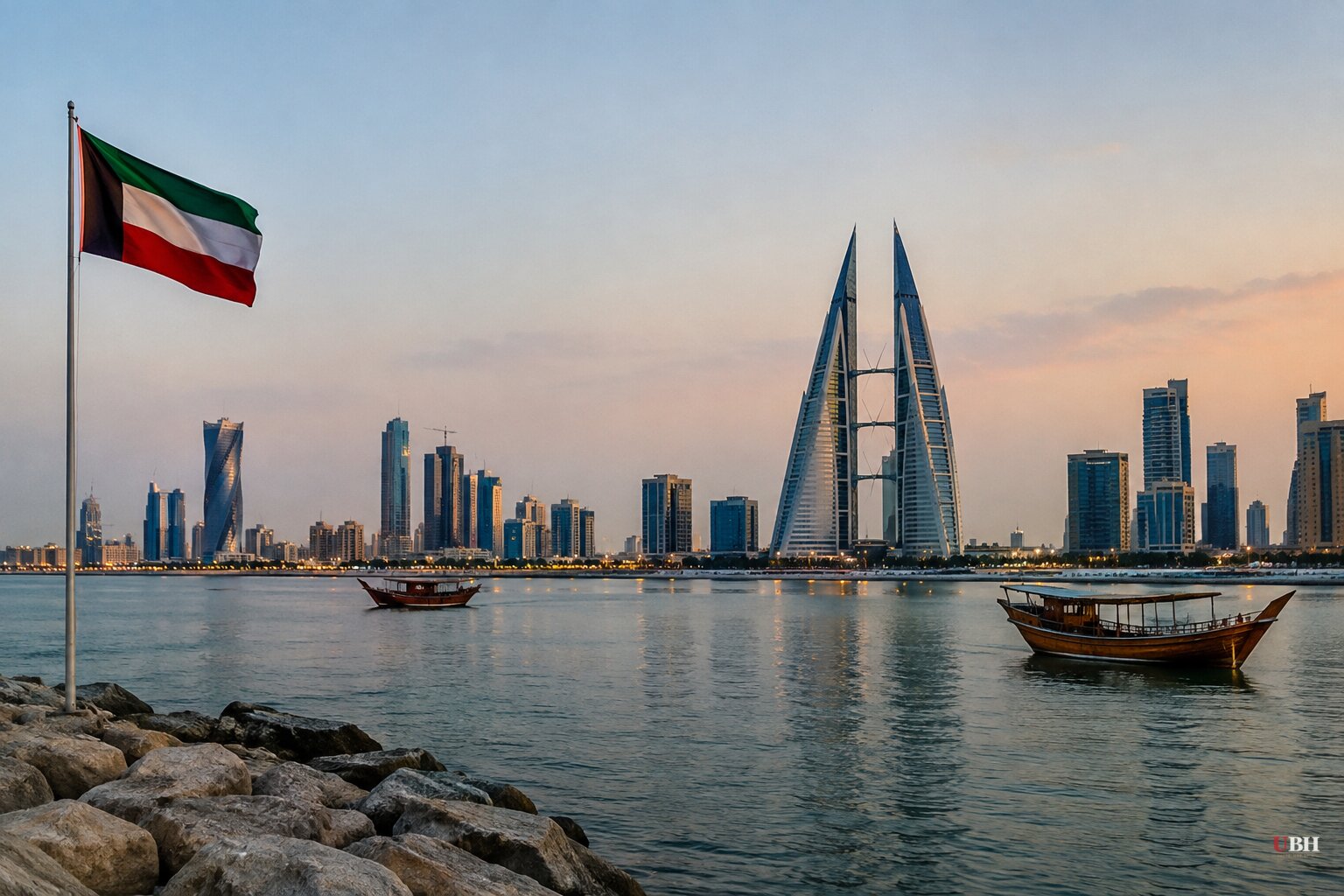
Since Iran ended a roughly two-month pause in Gulf strikes on Friday, Nov. 13, the attacks have spread from US radar sites in Bahrain to an American air base in Kuwait. Al Jazeera reports that civilian facilities have now been damaged as Tehran ramps up its attacks while the US naval blockade and sanctions squeeze its economy.
How the strikes escalated
Each step answered the one before it.
On Nov. 13, the IRGC launched two one-way attack drones at Bahrain. US forces shot both down, according to CENTCOM. On Sunday, Nov. 15, the IRGC said six drones targeted a radar system at the Al-Riffa helicopter base. On Tuesday, Nov. 17, it said it had destroyed a radar at Sheikh Isa Air Base, home of the US Fifth Fleet.
CENTCOM called the Sheikh Isa claim "false" and said the drones were "intercepted without any damage to U.S. equipment or injury to American personnel." Bahrain reported no deaths or injuries from that attack.
A US military official said American forces then hit an IRGC missile launch site on Qeshm Island in the Strait of Hormuz, "in self-defense." Iranian provincial official Ahmad Nafisi said the strike caused no damage to residential, commercial or infrastructure areas.
On Wednesday, Nov. 18, Iran targeted a US air base in Kuwait and launched several more attacks on Bahrain. Kuwait's army said on Tuesday that it was intercepting "hostile drone attacks." It did not name an attacker.
Iran's stated reasons are US drone surveillance flights over its airspace and the US destruction of Iranian communications towers. The IRGC said in a statement that "continued aggression against the country's airspace, as well as the use of regional military bases and facilities for hostile acts against Iran will not go unanswered."
Shipping is taking hits too
The Strait of Hormuz remains a target. ADNOC, the UAE state oil company, said one tanker crew member was missing and 11 others were injured after an attack in the strait on Tuesday, Nov. 17.
US military escorts have helped restore tanker passage, but Iran has kept attacking ships. Oman and Iran have discussed ways to manage shipping through the strait, which carries roughly one-fifth of global oil supplies.
Washington's mixed signals
President Donald Trump has said new strikes are highly unlikely. He has also sent a third carrier, the USS Theodore Roosevelt strike group, and thousands more troops to the region, CENTCOM confirmed.
Trump has said the blockade stays as long as Tehran seeks to disrupt Hormuz traffic. A US official, speaking anonymously, said the economic pressure has worked well enough that Trump does not need to restart major combat operations.
Hamidreza Azizi, senior Iran analyst at the International Crisis Group, wrote that "even if neither side intends to enter a broader confrontation, the accumulation of military incidents across multiple fronts increases the risk of miscalculation and escalation beyond what either side originally intended."
Allies lobby against a restart
Government and security officials from the Gulf states, Pakistan and Turkey have been calling senior US officials to head off renewed war. Four regional officials, speaking anonymously, told the Associated Press the effort is meant to counter Israeli Prime Minister Benjamin Netanyahu's push for a joint air campaign on Iran.
Those officials said they worry a recent US visit by Mossad chief Roman Gofman would tilt Trump toward restarting the war. Two of them said Gofman met CIA Director John Ratcliffe in Washington, then US envoy Steve Witkoff in Miami.
A person familiar with the matter described the visit as routine, covering a wide range of topics including Iran and military aid. The CIA declined to comment.
The regional officials said they expect Iran and its allies to answer any new round by hitting not just US military sites but also oil facilities, power and desalination plants and undersea cables.
Qatar's prime minister, Sheikh Mohammed bin Abdulrahman bin Jassim Al Thani, met Trump at the White House last week to try to bring the US and Iran back to the table. Negotiations have stagnated despite intensified Qatari mediation.
The domestic backdrop
Trump conceded on Nov. 4 that the war, which pushed up energy prices, contributed to big Republican losses in the Nov. 3 midterms. Democrats take control of Congress in January.
Al Jazeera's Monday discussion program asks whether Iran is tightening its grip on the global economy, whether Tehran can force the White House to ease the blockade, and whether this revives a full-scale conflict. None of those questions has been answered. The war is nearly nine months old, and Trump has not said what he will do if the attacks continue.
The next test is whether Iran's strikes, including on civilian sites, draw another US response, or whether the blockade and Gulf diplomacy hold the line.
Sources used for this briefing
7 links from 7 independent newsrooms (syndicated copies of the same report count once)
These are the sources it draws on, linked so you can verify.


