
Unbiased headlines. Facts, not spin.
Unbiased Headlines is an independently owned news organization. We bring you the facts, not opinions, written fresh from 110+ named sources. Sources linked so you can verify it yourself.
 defense
Major Story (8/10)
Russian Strikes Kill at Least 15 in Kyiv Region, 11 in Dymer Apartment Collapse
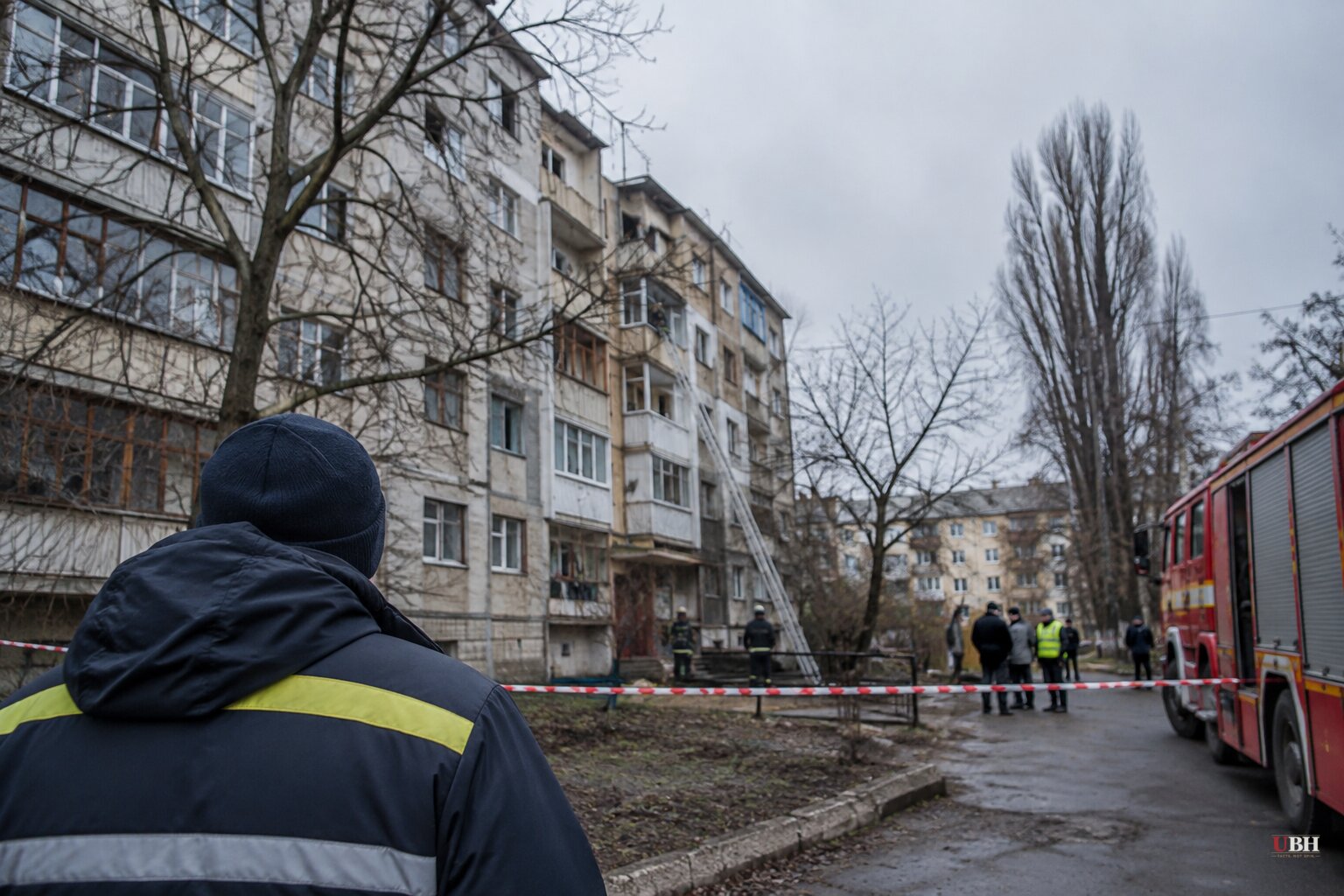
Rescuers in Ukraine were still digging through rubble on Monday, Nov. 23, after Russian strikes on the Kyiv region killed at least 15 people.
The deadliest hit came in Dymer, about 45 kilometers (28 miles) north of the capital. A strike overnight Sunday into Monday hit a five-storey residential building and partially collapsed it. Kyiv regional official Tymur Tkachenko said at least 11 people were dead after rescuers recovered another body from the debris.
Ukraine's State Emergency Service said the dead included a teenager and a woman in her 40s. Earlier on Monday it said rescuers were searching for 11 people, including two children, who were "not responding or cannot be reached."
There were survivors. Tkachenko said rescuers pulled out a 79-year-old woman and a child. A seven-year-old boy was brought out alive after nearly 14 hours under the collapsed building, according to rescuers. The blast also damaged a neighboring kindergarten and a local shop.
Supermarket, private home, power grid
The rest of the toll came from separate strikes. A Russian attack on a supermarket in Vyshneve, just south of Kyiv, killed three people and wounded 15, including three children, Mayor Illya Dikov wrote on Facebook. It happened Sunday evening, with shoppers inside, and a fire swept through the shelves.
"People had simply gone to the store to buy groceries. An ordinary shopping trip turned into a tragedy due to a Russian attack," Tkachenko said.
A strike on a private home in the Bila Tserkva district killed one more person and set the house on fire. In the Dnipropetrovsk region, Russia hit a power substation, Prime Minister Sergiy Koretsky said on social media.
The energy hits fit a pattern. Moscow has stepped up strikes on Ukraine's grid as temperatures fall to around freezing and the country heads into another winter in the fifth year of the full-scale invasion.
Putin's promise and the summit
The attacks follow a threat. On Thursday, Nov. 19, Putin vowed that Russia would answer Ukrainian attacks on the Crimea bridge with "much more painful" strikes. Ukraine hit the bridge three times in a week, severing the section used by vehicles and halting train services. The bridge is a symbol of Putin's rule over the annexed peninsula.
Putin made the vow after a summit with President Donald Trump and Chinese President Xi Jinping. The meeting raised fears in Kyiv and European capitals that the three leaders could make sweeping decisions on Ukraine over the heads of Ukrainians and Europeans. The talks have drawn comparisons to the 1945 Yalta conference.
A separate barrage on Friday, Nov. 20, killed at least eight people and hit three major bridges in Kyiv, according to Fox News Digital. Suspected Russian missiles and a drone also entered NATO member Poland's airspace that night, in an alleged breach that Fox described as unconfirmed.
Diplomacy versus the ground reality
The Trump administration announced progress toward expanding peace negotiations with Russia around the same time as the Friday strikes. The administration's case is that the summit opened a channel that had not existed, and that talks are the only route to ending the war.
Others read the sequence differently. Retired Gen. Philip Breedlove, the former NATO Supreme Allied Commander Europe, told Fox News Digital that "Putin never has been a partner for peace in Ukraine," and that he "will never be a partner for peace in the future." Breedlove said Putin's aim is to subjugate Ukraine and install a leadership loyal to Moscow.
A European intelligence source, speaking anonymously to Fox News Digital, said Putin is preparing an intensified winter campaign. The source said Moscow believes battlefield pressure plus U.S.-led negotiations could force Ukraine to give up more territory, particularly in the east. "They are very convinced that by spring Ukrainians will give up," the source said. That is one anonymous assessment of Russian thinking, not a confirmed Russian position.
Ukraine's human rights ombudsman, Dmytro Lubinets, called the Dymer attack part of Russia's "genocidal war against Ukraine." He said on X: "The world must stop looking away. Condemn this terror, hold Russia accountable, and act now to stop the killing of innocent Ukrainians." The word "genocidal" is Lubinets's characterization. The Kremlin has not been quoted in the reporting on whether it targeted residential buildings.
What comes next
The Dymer toll could still rise. The emergency service's earlier count of 11 people unreachable was issued before the confirmed death toll reached 11, and it has not said how the two figures overlap. Rescuers were still working the site Monday.
Putin has now publicly promised more painful strikes, and a European intelligence source expects a harder winter. The administration, for its part, has said it is pursuing expanded talks. Which of those tracks sets the pace through the cold months is the open question for Kyiv.
Sources used for this briefing
7 links from 7 independent newsrooms (syndicated copies of the same report count once)
These are the sources it draws on, linked so you can verify.
More coverage: Ukraine


