
Unbiased headlines. Facts, not spin.
Unbiased Headlines is an independently owned news organization. We bring you the facts, not opinions, written fresh from 110+ named sources. Sources linked so you can verify it yourself.
 defense
Breaking / Critical (9/10)
Iran Claims Three Tankers Hit Mines on Southern Hormuz Route a Day After CENTCOM Said Key Lanes Were Cleared
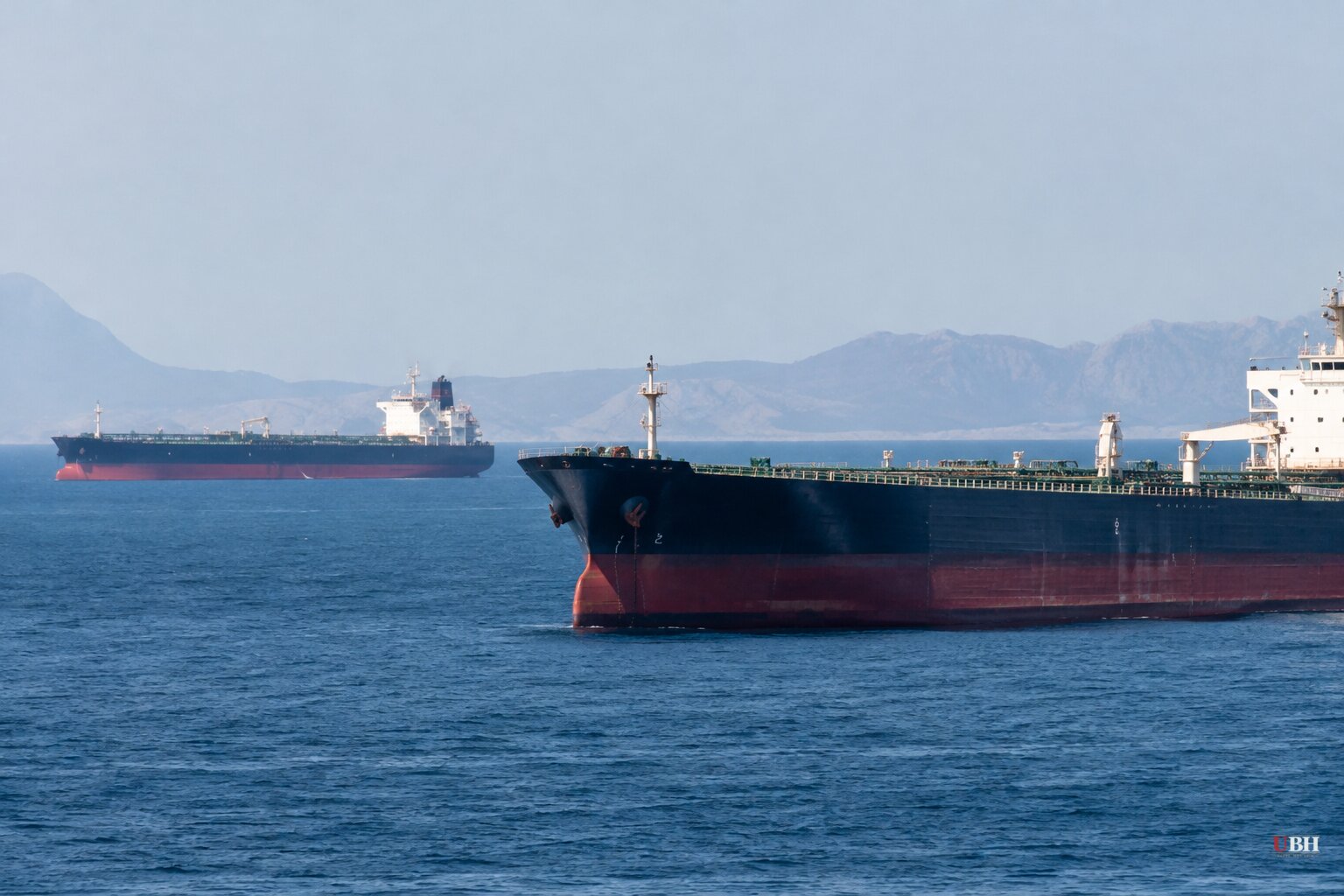
Since the war began on Feb. 28, the Strait of Hormuz has been the central pressure point between Washington and Tehran. Thursday, Oct. 29, added a new set of claims about who controls it and whether it is safe.
Iran's Revolutionary Guards said that over the prior 24 hours, three "violating oil tankers exploded and caught fire after striking mines while attempting to pass through the unauthorised southern route of the Strait of Hormuz." The statement came a day after the U.S. military insisted it had cleared key routes of mines.
The IRGC did not name the ships or their flags. It did not say when the incidents happened.
What is confirmed and what is not
The UKMTO, the British maritime trade agency, said earlier Thursday that it had received a report of a vessel on fire in the strait. It gave no cause and no casualty details. It is not clear whether that ship is one of the three the IRGC described.
Later in the day, the UKMTO reported a separate incident. A tanker exiting the strait on the southern route, the one promoted by the United States, was struck by a projectile at about 7:30 p.m. local time, noon Eastern. The agency said there were no reported injuries to the crew and no environmental impact at that time.
No one has said who fired the projectile. Iran has claimed credit for several ships hitting mines on Thursday and has been targeting ships on the southern route at an increased rate, according to CBS News.
CBS News described the Iranian claims as covering several ships. The IRGC's own statement says three. No independent count exists.
The mine dispute
In recent weeks Iran has reported multiple vessels striking sea mines. U.S. Central Command has responded on social media that all mines in "primary transit routes" have been cleared.
IRGC spokesman Hossein Mohebi answered Thursday on X: "Prove your Hormuz mine-clearing claim with independent evidence, not statements!"
The IRGC Navy went further. It said the southern route is mined and that vessel owners and crews are responsible for transiting it. It told them not to pay attention to what it called CENTCOM's "delusions on social media."
The Iranian navy also said the strait is closed "to violating vessels that, without coordination and relying on the lies of the U.S. president, intend to pass through prohibited and unsafe areas." It warned that uncoordinated transits "have exposed and will continue to expose vessels and their crews to serious dangers."
The two positions are flatly incompatible. Washington says the lanes are clear and has encouraged shippers to use the southern corridor near the Omani coast. Tehran says only northern routes it authorizes are legitimate and that the south is mined. A projectile strike on a ship in that corridor, with no one claiming it, does not settle which account is right.
CENTCOM said Sunday it had helped Gulf countries export 1.5 billion barrels of oil through Hormuz since the summer. That figure is the U.S. military's own, and no outside tally appears in the record. Before the war, about one-fifth of global oil and gas consumption moved through the strait.
Drone claim and the stalled diplomacy
In a separate statement, the IRGC said its naval electronic warfare unit captured a U.S. MQM-170 reconnaissance drone during what it called an offensive operation in the western strait. It offered no evidence, and the U.S. has not responded in the record.
On the diplomatic track, Iranian outlets Tasnim and Fars reported Thursday that Tehran has received Vice President JD Vance's letter to Mohsen Rezaei, secretary of Iran's Supreme National Security Council, but has not answered. Tasnim, which is closely tied to the IRGC, said Tehran will not drop its core ceasefire conditions. Those include lifting the U.S. blockade of Iranian ports, easing sanctions and releasing frozen assets held abroad.
President Trump said Wednesday that the letter was a focused outreach meant only to help get medical supplies into Iran. Multiple outlets have reported it was an attempt to restart negotiations.
Foreign Minister Abbas Araghchi wrote on X Wednesday that Iran is in "close and ongoing contact with intermediaries" on its seven-day plan and "continues to give diplomacy a chance to succeed." A Qatari draft delivered to Tehran on Sunday would have Iran reopen the strait within four days of sanctions being lifted, down from the seven Iran proposed, the Guardian reported. Iran's response is expected by the end of the week.
Qatar's Foreign Ministry spokesman Majid al-Ansari separately said Doha will keep mediating between Iran and the U.S. while denying Israeli allegations that it interfered in Israel's elections.
What comes next
The immediate question is whether shipowners keep using the southern route. Each unexplained fire or strike there raises the cost of insuring and crewing that corridor, and the U.S. cannot claim the route is safe without evidence the IRGC has now publicly demanded.
Two deadlines also loom: Iran's reply to the Qatari draft, due by the end of this week, and any answer to Vance's letter. Neither has come.
Sources used for this briefing
8 links from 7 independent newsrooms (syndicated copies of the same report count once)
These are the sources it draws on, linked so you can verify.


