
Unbiased headlines. Facts, not spin.
Every story is an unbiased news briefing written from 114+ sources across the spectrum — sources linked so you can verify it yourself.
 health
Major Story (7/10)
October 12, 2026 at 09:59 PM
health
Major Story (7/10)
October 12, 2026 at 09:59 PM
IPC Warns of Growing Famine Risk in Sudan's Darfur and Kordofan as War, Drought and Funding Gaps Deepen Hunger
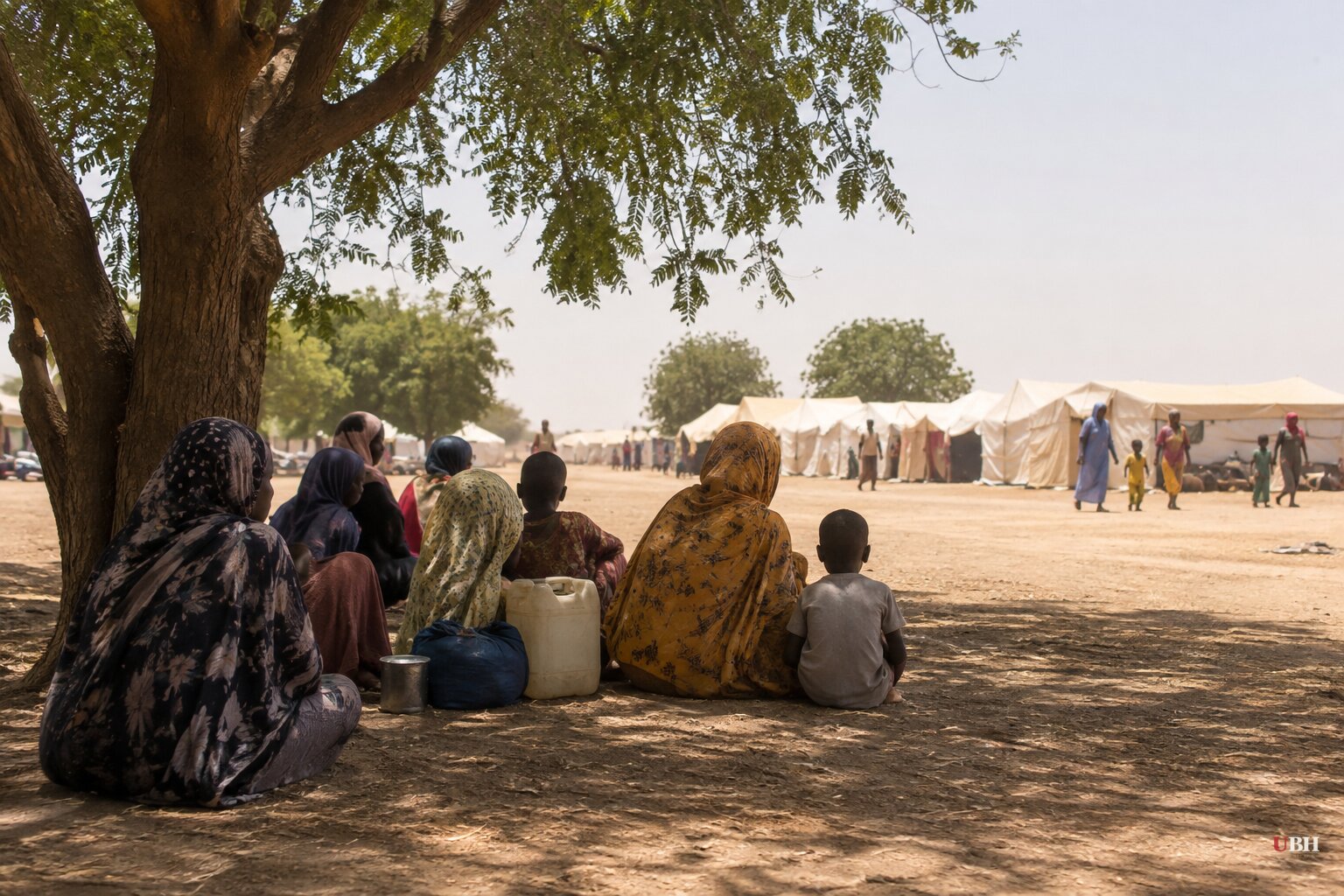
The global food crisis monitor known as the Integrated Food Security Phase Classification (IPC) issued a Food Insecurity and Malnutrition Alert for Sudan today, Oct. 12. It warns of a growing risk of famine across parts of Greater Darfur and Greater Kordofan.
The IPC names four drivers: conflict, mass displacement, severe drought and inadequate humanitarian funding. It says an El Niño-induced drought is hitting roughly half the country. That is cutting food supplies, pushing up prices and wiping out household income.
What the malnutrition data shows
In Eastern Jebel Marra, South Darfur, a survey of two displacement camps found acute malnutrition among children at 38% and 30.8%. Both figures are above the famine threshold. The alert describes hunger as severe and death rates as high.
Across Greater Darfur, 13 of the 17 nutrition surveys carried out since January found critical levels of acute malnutrition.
In Nyala, the share of children admitted to nutrition services for severe acute malnutrition more than doubled between January and August, from about 5% to 11%.
Children are also going untreated. As of August, only 26% of those expected to need care for severe acute malnutrition with medical complications had received it. Without treatment, as many as two-thirds of them could die, according to the alert.
Drought on top of war
Drought now covers more than half of Sudan. Poor plant growth affects 64% of cropland in North Darfur and about half of cropland in South Darfur, West Kordofan and South Kordofan.
Rains arrived in late September, too late to save most cereal crops. The IPC says cereal prices are very likely to keep rising. West Kordofan is going through one of its worst droughts since 2004, based on rainfall levels.
Greater Kordofan, which the alert calls the epicentre of Sudan's conflict, has seen more than 300,000 people forced from their homes since October 2025. Markets there have been hit by more than 170 airstrikes, looting incidents or armed clashes this year.
The war itself began in April 2023, when the military and the paramilitary Rapid Support Forces turned on each other in Khartoum. The conflict has killed at least 150,000 people, according to the monitor ACLED, though aid groups say the true toll is likely higher. About 13 million people have been displaced.
The baseline before this alert
An earlier IPC assessment found nearly 19.5 million people, more than 40% of the population, facing high levels of acute food insecurity in May. Of those, 135,000 were in Phase 5, the most severe classification. That phase is defined by extreme food shortages, starvation, very high malnutrition and deaths from hunger or disease.
Aid under fire and underfunded
Two trucks contracted by the World Food Programme came under fire on Oct. 2 and 3. At least one person was killed, according to the alert.
Funding is the other bottleneck. As of Oct. 8, less than half of the humanitarian appeal for Sudan had been funded. The World Health Organization says only 23% of its own $97.7 million appeal is covered.
WHO says it has supported all 161 operational nutrition stabilization centres in the country this year. Those centres treated more than 26,000 children with severe acute malnutrition and medical complications between January and August.
The health system is badly damaged. Since April 15, 2023, WHO has verified 228 attacks on health care that caused 2,055 deaths and 817 injuries. By 2026, 37% of the country's health facilities had stopped functioning.
WHO also warns that hunger worsens disease. Malnourished people are more likely to develop severe forms of cholera and measles.
Famine not formally declared
The IPC's Famine Review Committee did not declare a new famine. It said there is not enough survey data for a full analysis, but that the evidence points to a rapidly worsening situation.
"Famine is the collapse of systems," the committee said. "We are witnessing a humanitarian catastrophe, already of historic proportions."
The monitor also says parts of the country have already been pushed into famine by the war. Without a quick and significant increase in assistance, it warned, "food insecurity, acute malnutrition, and excess mortality will likely intensify."
The alert calls for an end to the fighting, safe and sustained access for aid agencies, especially in North and West Kordofan, and flexible funding on a large scale. Repeated peace efforts have not ended the war.
Violence has continued. A local rights group, Emergency Lawyers, said an airstrike killed at least 72 civilian miners on Sunday in a border area between Sudan and Egypt.
What happens next depends on two things the alert cannot control: whether fighting parties allow aid convoys through North and West Kordofan, and whether donors close a funding gap that left Sudan's appeal under half funded as of Oct. 8.
Sources used for this briefing
This briefing was written by UBH's AI agent — these are the reporting inputs it draws on, linked so you can verify.


