
Unbiased headlines. Facts, not spin.
Unbiased Headlines is an independently owned news organization. We bring you the facts, not opinions, written fresh from 110+ named sources. Sources linked so you can verify it yourself.
 energy
Notable (6/10)
Indonesia Cuts Pipeline Gas Exports to Singapore by 31 BBTUD, Starting Oct. 24
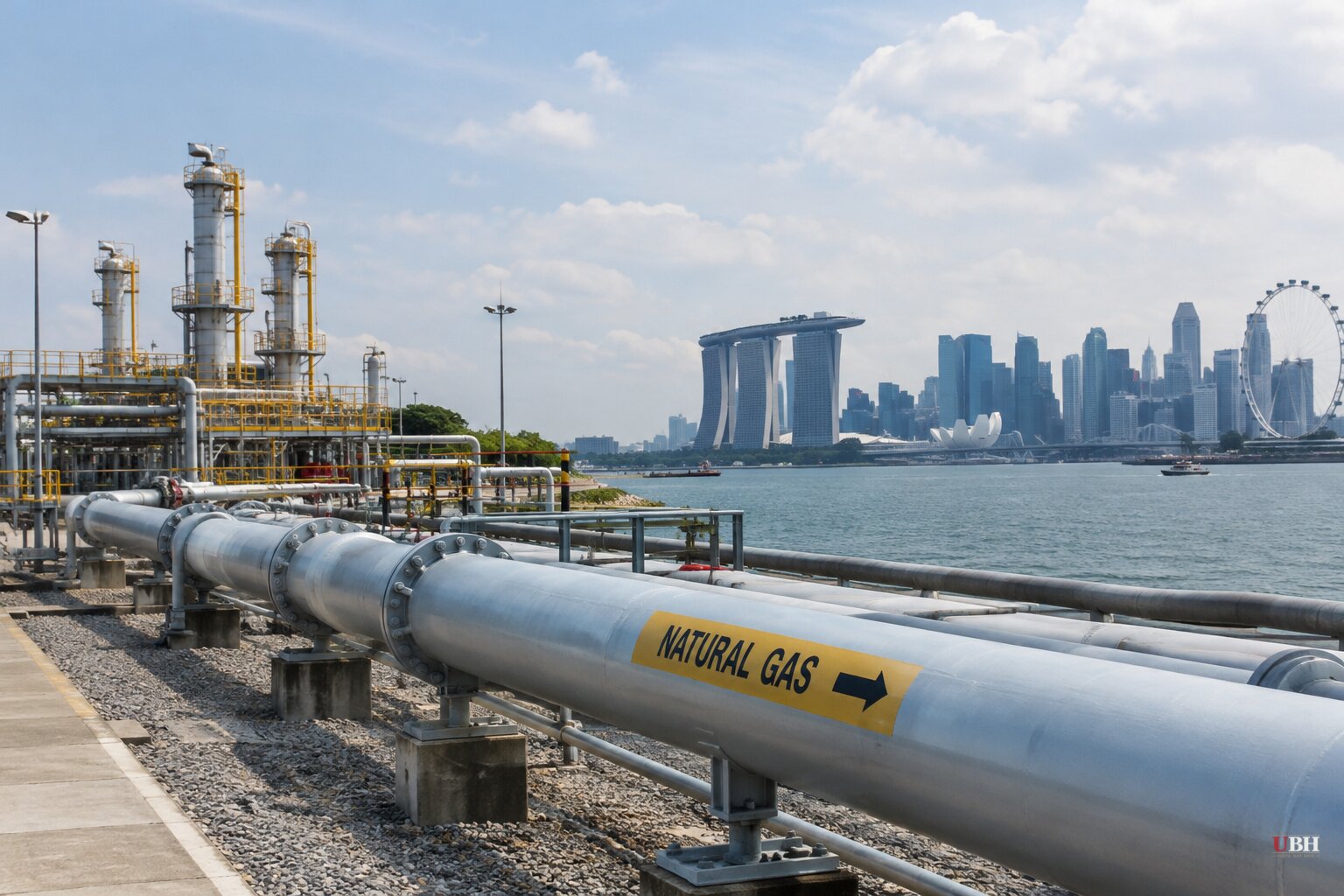
Indonesia started reducing natural gas exports to Singapore today, Oct. 24, by 31 billion British thermal units per day (BBTUD). President Prabowo Subianto's government says the gas is needed at home.
The head of upstream regulator SKK Migas, Djoko Siswanto, announced the cut on Oct. 23 at an energy industry awards ceremony in Jakarta. "Starting tomorrow, we will reduce gas exports to Singapore by 15 BBTUD from Natuna and 16 BBTUD from Sumatra," he said.
What is being cut
The Natuna reduction is 15 BBTUD. The Sumatra reduction is 16 BBTUD and comes from the Jambi Merang gas field.
Djoko said only Singapore is affected, because the relevant export pipelines connect directly to the city-state.
Based on US Energy Information Administration figures, the cut equals about 8% of the pipeline gas Indonesia sent to Singapore in 2024. That year Indonesia exported about 4.11 billion cubic meters to Singapore. What share of current volumes the cut represents is unclear, since the 2024 figure is the only baseline published.
Where the gas goes instead
Djoko said the Natuna gas will go to state utility PLN's operations in Batam. The Sumatra gas will be redirected to power needs in Batam, Bintan and Sumatra itself.
He said the goal is reliable gas for domestic electricity generation, and that SKK Migas will monitor the arrangements daily.
The political backdrop
The cut follows a run of blunt statements from Energy and Mineral Resources Minister Bahlil Lahadalia. On Oct. 21, after a Cabinet meeting, he said: "I am also perhaps thinking of not extending gas exports to neighbouring countries because we have to survive and meet domestic needs."
During a visit to a gas production vessel off East Kalimantan, he went further. "I will not hesitate to consider stopping exports to countries that do not respect Indonesia," he said. He did not name a country.
On Oct. 23, Bahlil said Indonesia exports about 30% of its natural gas production and uses the other 70% domestically. The government plans to reassess that split to secure feedstock for domestic industry, including petrochemicals in East Kalimantan.
Bahlil has also said Prabowo instructed ministers to protect national wealth, and described Indonesia as entering a "survival mode."
The remarks arrived amid friction with neighbors over transboundary haze. Singapore has widened a haze investigation to 10 locally based firms, and Malaysia's Natural Resources and Environmental Sustainability Minister Arthur Joseph Kurup said Malaysia reserves the right to demand effective action from Indonesia and will raise the matter at an ASEAN meeting in Manila. No Indonesian official has publicly tied the gas cut to the haze dispute.
Not a surprise on paper
Jakarta has been planning to shrink gas flows to Singapore for years. In 2022 it agreed to extend supply to Singapore until 2028, but at lower volumes than the previous contract.
In April 2025, Djoko said Indonesia would cut Sumatra exports to Singapore and use Natuna supply to compensate. The next month, MedcoEnergi signed a gas swap with Singapore buyers including Sembcorp Gas and Gas Supply, freeing more Sumatra gas for domestic use.
That arrangement was designed to avoid shrinking Singapore's total supply by the same amount. The latest move is different, because it cuts from both Sumatra and Natuna.
Singapore's exposure
According to Singapore's Energy Market Authority, 40% of the country's natural gas comes by pipeline from Malaysia and Indonesia. The rest arrives by sea from global markets.
Deputy Prime Minister Gan Kim Yong told Parliament in September 2025 that Indonesia is one of Singapore's main gas sources and that existing import contracts expire at the end of 2028.
The Singapore government has not been quoted in the material on today's cut. Whether it will seek talks with Jakarta, and how Singapore's buyers will replace the volumes, remain open.
The longer-term issue is 2028. Bahlil has said he is considering not extending export arrangements when they lapse, and Jakarta has not said whether today's reduction is a one-off or the first step in a phased wind-down.
Sources used for this briefing
7 links from 7 independent newsrooms (syndicated copies of the same report count once)
These are the sources it draws on, linked so you can verify.


