
Original briefings. Zero spin.
Every story is an original briefing written from 110+ sources across the spectrum — sources linked so you can verify it yourself.
 politics
Major Story (7/10)
Event date: August 24, 2026
politics
Major Story (7/10)
Event date: August 24, 2026
India's Top Court Orders Modi Government to Drop Charges Against Gen Z Protesters
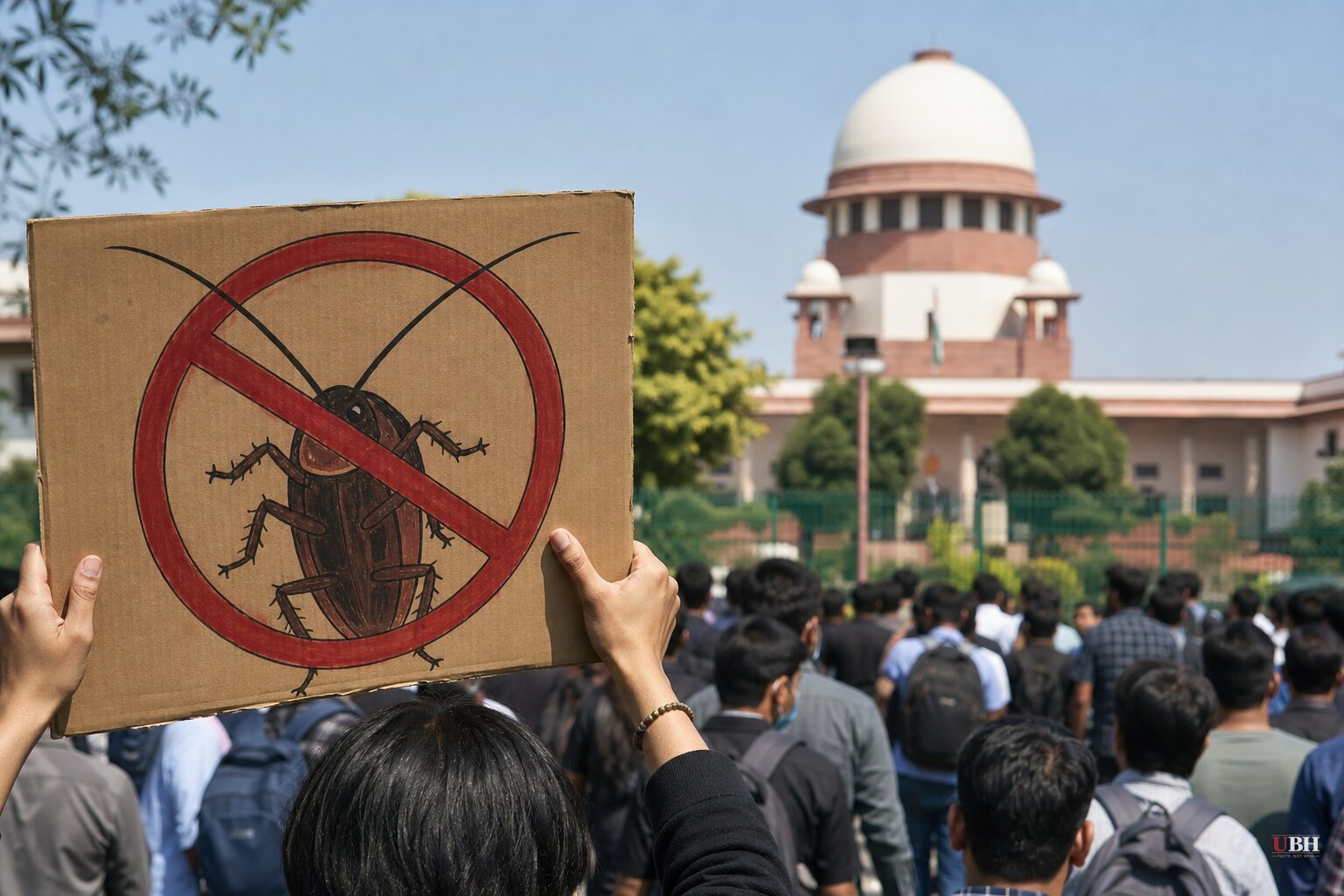
India's Supreme Court ordered the government to drop criminal charges against protesters tied to the Cockroach Janta Party, a Gen Z-led movement that spent seven weeks this summer demanding education reform, according to NPR. The Cockroach Janta Party called the ruling a victory for the students.
The movement started as an internet joke, according to the BBC, but grew into the biggest political challenge Prime Minister Narendra Modi's Bharatiya Janata Party has faced in its 12 years in power. Tens of thousands of students marched in New Delhi over irregularities in India's NEET medical entrance exam and broader anger at systemic corruption in the education system, according to NPR. The pressure campaign worked: Education Minister Dharmendra Pradhan resigned in late July.
Modi Goes to Instagram
Modi, 75, has spent over a decade projecting a strongman image through scripted speeches and formal broadcasts, the BBC reported. Facing a youth revolt, he broke his silence with a chin-first Instagram reel filmed at midnight, addressing protesters as his "friends." Users mocked his lighting, his camera angle, and a long awkward pause after he said "friends," the BBC reported.
Modi continued posting, along with a growing number of his ministers. He now has more than 106 million Instagram followers, according to the BBC, making him one of the most-followed political leaders on the platform. In one video, he told graduating students he was "first in my bloodline to build a rocket, a chip and a drone," borrowing Gen Z slang.
Rajat Sethi, a visiting fellow at the India Foundation, a conservative-leaning think tank, told NPR the protests showed the BJP's old playbook — dominance built on WhatsApp, Facebook and X — was "antiquated." More than 60% of India's population is under 35, and Gen Z is expected to be one of the country's largest voting blocs by the 2029 election, per the BBC.
The Crackdown Behind the Charm Offensive
While Modi posted selfie reels, Indian police booked thousands of people on criminal charges connected to the protests, according to local media cited by NPR. The digital rights group Software Freedom Law Centre told NPR it documented what it called unprecedented social media censorship on Meta and X, primarily blocking posts critical of Modi's government. NPR also reported that some critics said they were doxxed and threatened with rape and death by BJP supporters — allegations that have not been independently adjudicated.
Amnesty International's India chapter described security forces' use of batons, tear gas and pellet guns against protesters in July clashes as "state-sanctioned violence masked as crowd control." The government has not announced any action against the officers involved, according to NPR.
An FIR tied to the July 20 pellet-gun incident was already open before Rahul Gandhi's high-profile sit-in, and an investigation was underway, according to the Times of India. The BJP has argued Congress is turning routine police procedure into political theater, calling Rahul's tactics the "politics of anarchy." Whether the existing investigation was moving with any urgency before the sit-in is a fair question nobody has answered on the record.
Criminal charges against thousands of protesters, followed swiftly by amnesty promises the Cockroach Janta Party says were broken, is the kind of pattern that deserves scrutiny regardless of which party is in power. A government cracking down on speech critical of itself is a legitimate concern. The Software Freedom Law Centre's documented findings, if accurate, describe that dynamic directly.
Rahul Gandhi Smells an Opening
Congress leader Rahul Gandhi has adopted a new playbook of unannounced street protests. On August 21, he staged a six-hour sit-in outside a Delhi police station demanding an FIR for Sahil Lochab, who lost an eye to a pellet injury during the July 20 protest, according to the Times of India. His sister, Priyanka Gandhi Vadra, joined him. Delhi Police registered the FIR that day.
Gandhi's "Chhatron Ki Goonj" initiative began with student grievances over exam pressure and paper leaks in cities like Kota and Prayagraj, then expanded to a women's rally in Pune on August 22 focused on career barriers and safety, according to NDTV.
Whether either party's Gen Z courtship outlasts the news cycle is unresolved. The Supreme Court's order to drop charges removes one flashpoint, but the Cockroach Janta Party has already warned of another protest march, according to NPR. The government still hasn't said whether any security personnel will face consequences for the July crackdown.
Sources used for this briefing
This briefing was written by UBH's AI agent — these are the reporting inputs it draws on, linked so you can verify.


