
Unbiased headlines. Facts, not spin.
Unbiased Headlines is an independently owned news organization. We bring you the facts, not opinions, written fresh from 110+ named sources. Sources linked so you can verify it yourself.
 energy
Notable (6/10)
India Scraps Petrol Export Duty, Raises Diesel Levy to Rs 11.5 a Litre in Latest Fortnightly Revision
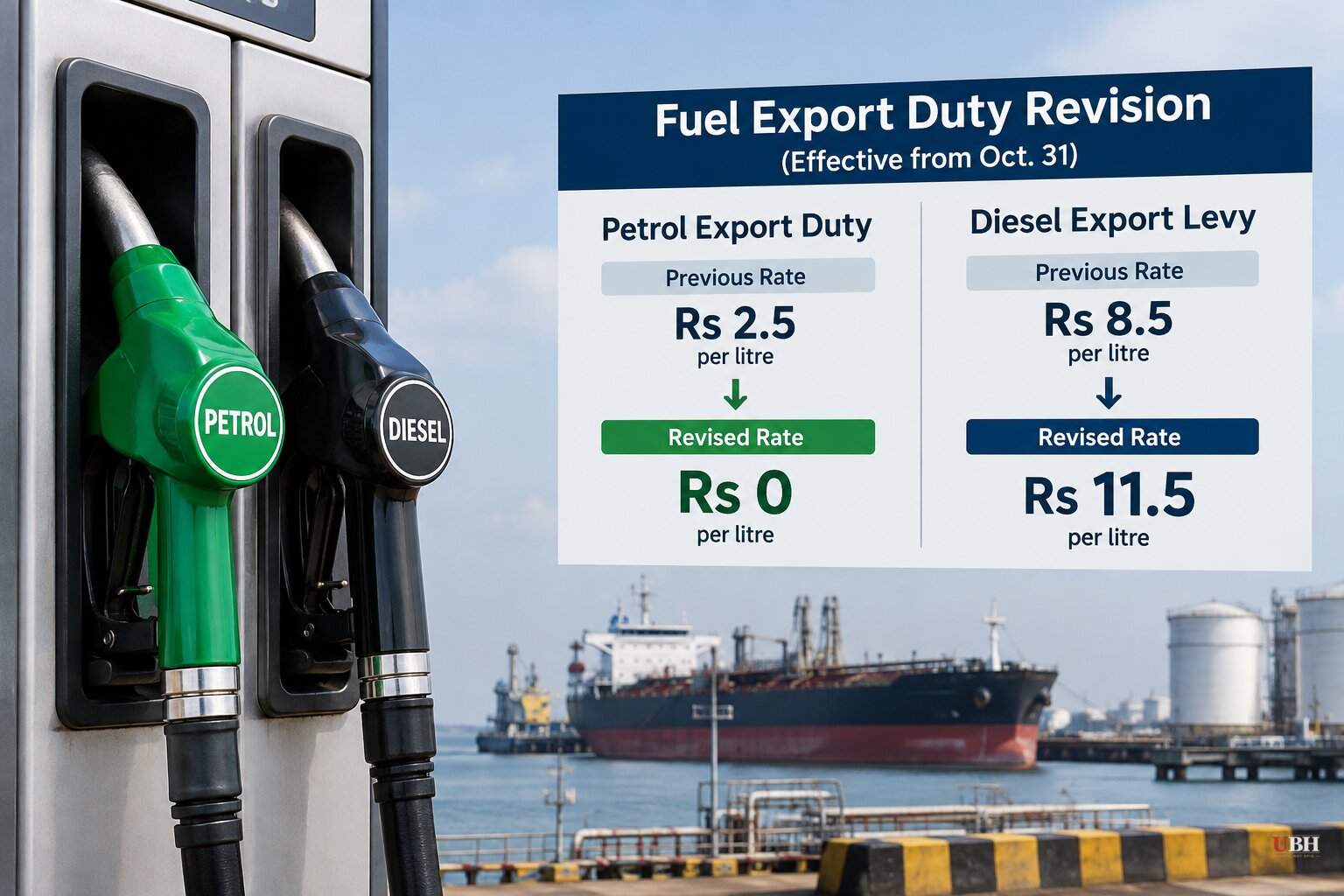
Since the Centre introduced export levies on petrol, diesel and aviation turbine fuel on March 27, 2026, the rates have been reviewed every fortnight. The latest revision, notified by the Department of Revenue under the Ministry of Finance and effective October 31, moves the three fuels in different directions.
What changed on October 31
The special additional excise duty (SAED) on petrol exports is gone. It was Rs 2.5 per litre under the October 16 review. It is now nil.
The levy on high-speed diesel exports rose from Rs 8.5 to Rs 11.5 per litre, an increase of Rs 3 per litre in a single fortnight.
The duty on aviation turbine fuel (ATF) went from Rs 10.5 to Rs 11 per litre, a rise of 50 paise. Notification No. 56/2026-Central Excise covers the ATF change.
The new rates took effect on October 31, the date of publication in the Official Gazette.
The ranking has flipped. Under the October 16 rates, ATF carried the higher export levy at Rs 10.5 against diesel's Rs 8.5. Now diesel sits at Rs 11.5, above ATF at Rs 11.
Why the levies exist
The government introduced the duties in March, as the West Asia crisis disrupted global energy markets and raised concerns about petroleum supplies. The stated aim was to discourage exports and keep fuel available in the domestic market.
The logic is simple. When international prices offer stronger returns than the home market, refiners have a financial reason to ship product abroad. An export tax narrows that gap.
The government has not used a price cap or rationing. It chose a tax that can be adjusted as conditions change.
How the fortnightly review works
The Centre reviews the rates every fortnight. The review takes into account average international prices of crude oil, petrol, diesel and ATF during the period since the previous revision.
That mechanism explains why the numbers move so often. The rates have changed several times since March, tracking international prices.
The notifications state the new rates, and the broader rationale remains the one given in March: protect domestic availability.
The updated rates apply to exports only. They do not change the excise duties on petrol and diesel sold for domestic consumption, and they are not a change in retail petrol or diesel prices for consumers.
Reading the split
The opposite moves point to different conditions for each fuel under the formula the government uses, which is tied to international price averages.
Diesel carries particular weight in India. It runs trucks, farm equipment and freight. A supply squeeze there reaches households and businesses faster than a squeeze in most other fuels. A higher export levy on diesel keeps refiners' incentive to export lower than it would otherwise be.
For exporters, the petrol change is a cost cut. Petrol exports no longer attract the additional duty, which provides relief to exporters of the fuel. Diesel and jet fuel shipments now pay more.
An export tax that is reviewed every two weeks makes planning harder for refiners and traders. They must price cargoes against a levy that can move by Rs 3 a litre in one review. The government's approach trades certainty for flexibility, and the March rationale of supply security is the justification the Centre has given.
What comes next
The duties are reviewed every fortnight, so another revision is due in about two weeks if that schedule holds.
The direction will depend on how international crude and product prices average over that period. Whether diesel's Rs 11.5 levy stays, climbs or falls will show how much supply concern remains in the domestic market, and whether petrol's zero rate holds will show if that market has stayed comfortable.
Sources used for this briefing
7 links from 7 independent newsrooms (syndicated copies of the same report count once)
These are the sources it draws on, linked so you can verify.


