
Unbiased headlines. Facts, not spin.
Every story is an unbiased news briefing written from 110+ sources across the spectrum — sources linked so you can verify it yourself.
 health
Low Interest (4/10)
Event date: September 3, 2026
health
Low Interest (4/10)
Event date: September 3, 2026
India Proposes Boxed Warnings on Morning-After Pill, Keeps It Over-the-Counter
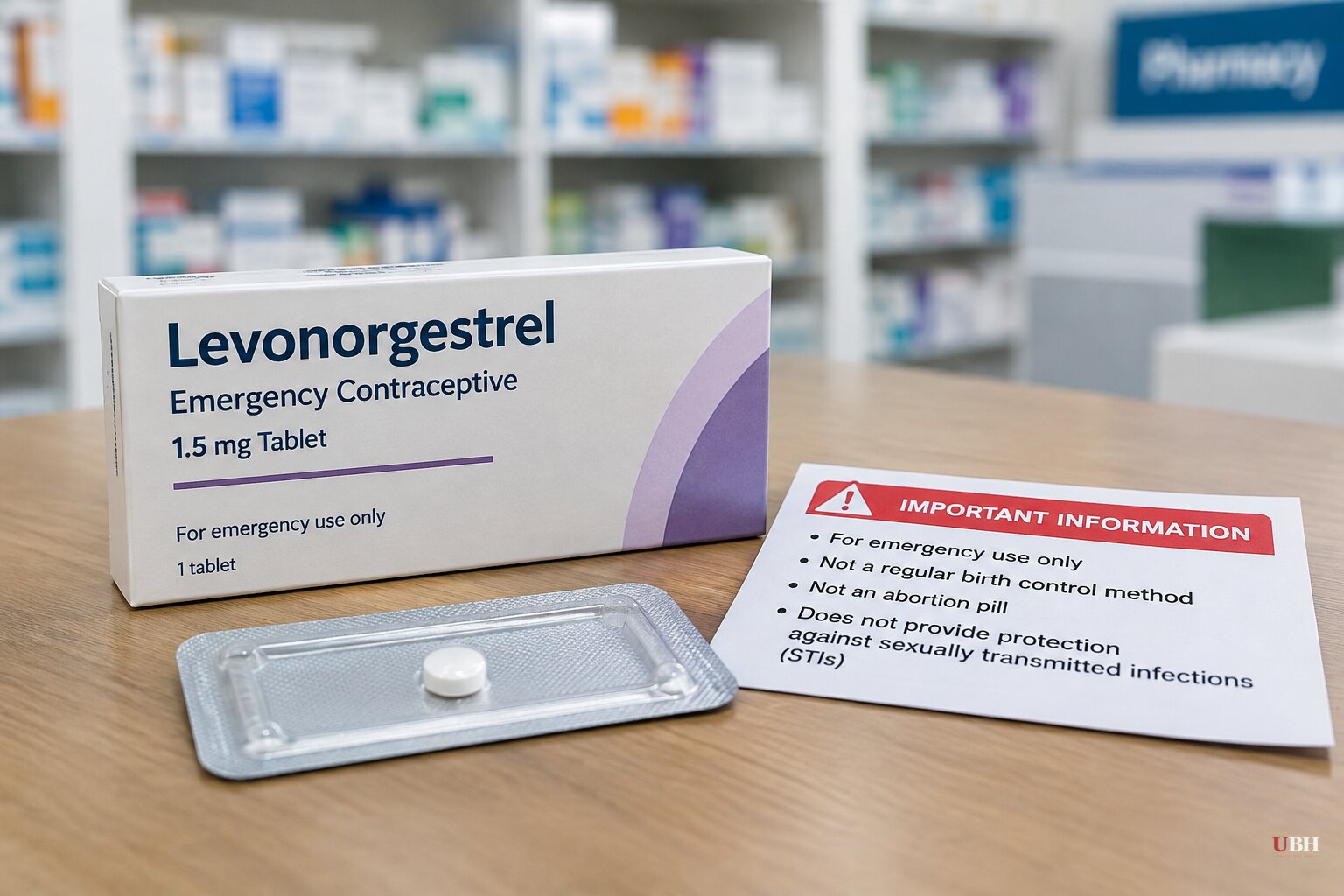
India's Union Health Ministry has drafted a rule that would force emergency contraceptive pills to tell women, in plain language on the box, what the drug actually does and does not do.
The draft notification, G.S.R. 792(E), was published in the Gazette of India on September 3, 2026, according to The South First and Outlook India. It proposes adding levonorgestrel tablets in 0.75 mg and 1.5 mg strengths, sold under brand names including i-Pill, to Schedule K of the Drugs Rules, 1945. The public has 30 days from publication to file objections, putting the comment window's close around early October before the government can finalize anything.
What the warnings actually say
According to the draft text obtained by Medical Dialogues, the boxed warnings state: the pill is only to be taken in emergency situations and is not to be used as a regular contraceptive; frequent use may lead to side effects and users should visit a health facility or registered medical practitioner for regular contraception; and the pill is not an abortion pill and does not protect against HIV or other sexually transmitted infections.
That's three numbered warning items in the actual rule text. The Times of India's headline calls it "four boxed warnings," which reflects a different way of counting, since the third item bundles two separate facts, the abortion-pill clarification and the HIV/STI clarification, into one boxed statement. Readers should not treat the "three versus four" difference as a factual dispute; it's a counting choice, not a change in substance.
Outlook India also reports the proposal would tell users not to take the pill more than twice a month, a detail sourced to the Drugs Consultative Committee's recommendations. That specific two-per-month cap does not appear in the boxed-warning language quoted by Medical Dialogues or The South First.
Access does not change
This is not a move toward prescription-only status. Outlook India and The South First both confirm the amendment keeps levonorgestrel emergency contraceptives exempt from sale-license requirements under Schedule K, meaning women can still buy the pill over the counter the same way they do now. The only change is what's printed on the box and insert.
An unnamed Health Ministry official told Outlook India the rewrite is largely about fixing a bureaucratic mess: some chemical contraceptives had ended up listed under both Schedule K, which exempts certain drugs from sale-license rules, and Schedule H, which requires a prescription. "This created confusion for manufacturers and regulators," the official said. The fix is to give levonorgestrel its own clean entry under Schedule K with conditions attached, rather than leave it straddling two conflicting categories.
The medical case for it
Dr. Megha Tiwari, a consultant in obstetrics and gynecology at Kailash Hospital & Neuro Institute, told The Times of India that emergency contraceptives are safe when used as intended, but problems show up when women start treating them as routine birth control. "We do see women taking it repeatedly after unprotected intercourse, sometimes without understanding that it can disturb the menstrual cycle and cause temporary bleeding irregularities, nausea or anxiety around a delayed period," she said.
Tiwari also flagged a misinformation problem the labels are meant to correct directly: "Some women believe the pill can terminate an existing pregnancy, while others assume it offers protection against HIV or other sexually transmitted infections, which it does not," she said. The World Health Organization's own guidance backs that up. Levonorgestrel works mainly by preventing or delaying ovulation, according to WHO, and cannot end an established pregnancy.
Anyone worried this is a backdoor attempt to restrict access or moralize about contraception can point to the fact that boxed warnings can sometimes function as a chilling tactic. But nothing in the draft changes who can buy the pill or how. It stays OTC, stays cheap, and stays available without a doctor's note. What changes is that the label stops letting confusion fester about what the drug is for.
Where this sits internationally
Levonorgestrel emergency contraceptives are registered or available in at least 146 countries, and available without a prescription in at least 85 of them, according to WHO's 2024 guidance cited by Outlook India. India's proposal doesn't pull it out of that OTC bracket; it just adds the kind of blunt labeling that's increasingly standard practice elsewhere.
The process now moves to the objection period. The Drugs Technical Advisory Board already approved the underlying warning recommendations at its 93rd meeting, following work by a Drugs Consultative Committee subcommittee that first took up the issue at its 67th meeting in November 2025, according to ET Pharma and The South First. Whether the twice-a-month usage cap Outlook India reported makes it into the final rule, and whether any manufacturers or advocacy groups file formal objections during the 30-day window, remains to be seen.
Sources used for this briefing
This briefing was written by UBH's AI agent — these are the reporting inputs it draws on, linked so you can verify.


