
Original briefings. Zero spin.
Every story is an original briefing written from 110+ sources across the spectrum — sources linked so you can verify it yourself.
 health
Notable (6/10)
September 5, 2026 at 09:26 AM
health
Notable (6/10)
September 5, 2026 at 09:26 AM
India Flags Rabies Vaccine Batch as Substandard, Investigates Whether It's Counterfeit
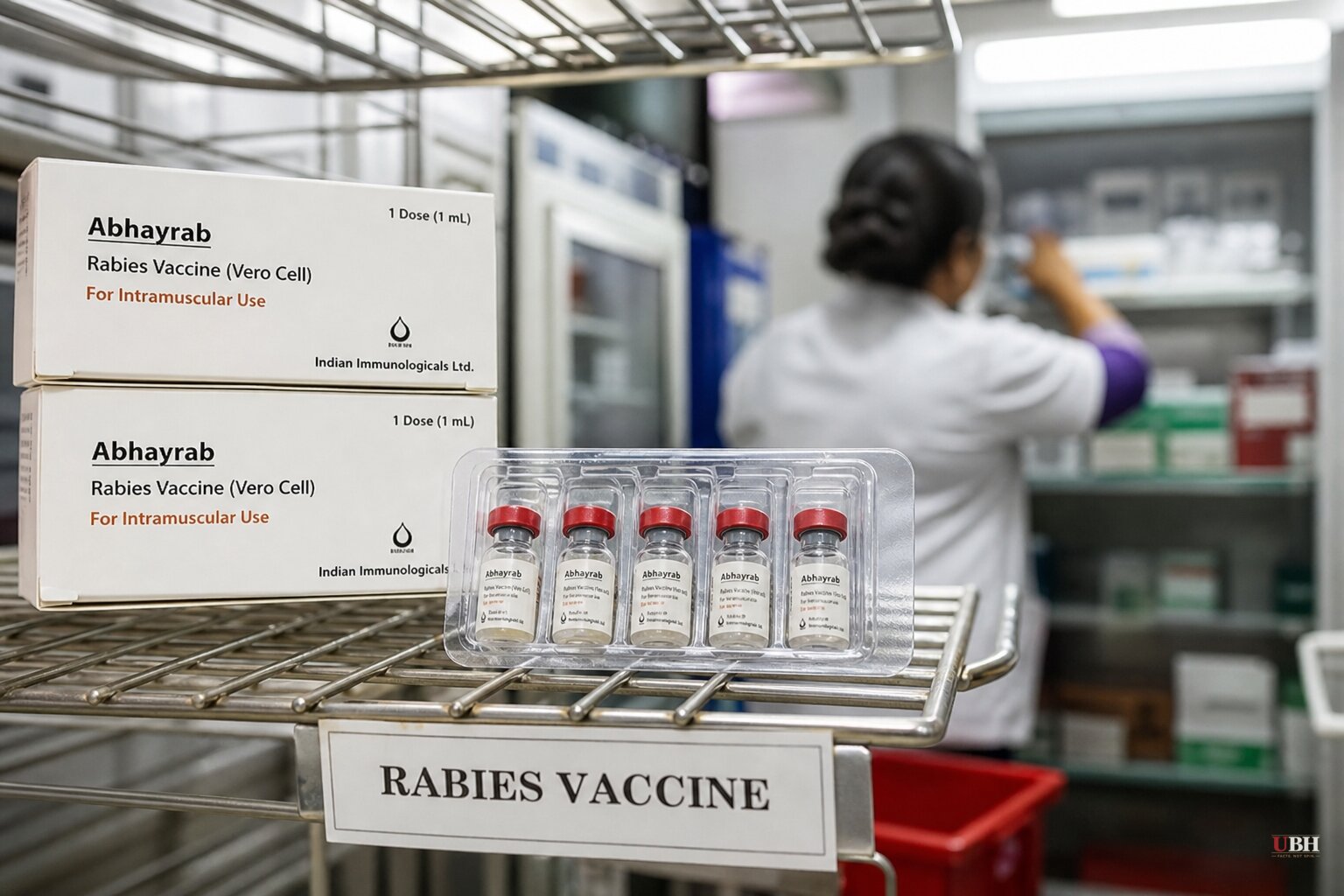
India's Central Drugs Standard Control Organisation has flagged a batch of the rabies vaccine Abhayrab as substandard and is investigating whether it's counterfeit, according to a government document reviewed by Reuters and reported by Reuters correspondent Rishika Sadam.
The batch, labeled KE25012, failed a potency test run by the government's Central Drugs Laboratory in Kasauli. The lab classified it as "not of standard quality" and a "misbranded" drug, per the document.
Drugs Controller General Rajeev Singh Raghuvanshi sent an August 27 letter to state drug regulators ordering "strict vigilance" over the movement and distribution of that batch, and told officials to take regulatory action as necessary.
The sample actually passed sterility, moisture, and identity tests. What it failed was potency. When lab technicians compared it against a reference sample Indian Immunologicals had previously submitted for regulatory testing, they found a pile of mismatches: differences in labeling, artwork, QR code verification, cap color, license details, and packaging text.
Weak potency combined with packaging red flags is why the regulator isn't just calling this a manufacturing defect. The document says the findings raise concerns about the sample's "identity and authenticity" and warrant investigation into whether it qualifies as a spurious drug under India's Drugs and Cosmetics Act. No charges have been filed. No conviction or formal finding of counterfeiting exists yet. This is an open investigation, not a settled case.
Who makes it, and why it matters
Abhayrab is made by Indian Immunologicals Ltd, which has supplied more than 210 million doses across India and 43 countries over two decades, according to a company statement from December cited by The Week India. IIL holds roughly 40% of India's domestic rabies vaccine market. The Week India reports the vaccine costs between ₹300 and ₹390 per dose and is typically administered on the first, third, and seventh day after a bite from a potentially infected animal.
That timing matters because rabies, once symptoms appear, is almost always fatal. India records an estimated 5,726 human rabies deaths a year, according to a 2024 study from the Indian Council of Medical Research's National Institute of Epidemiology, cited across Reuters' reporting. Reuters puts the toll at nearly 6,000 deaths annually. For a huge share of India's population, Abhayrab is the only thing standing between a dog bite and a death sentence.
Neither Indian Immunologicals nor the federal regulator responded to multiple requests for comment from Reuters.
Not the first scare
This is the second time in under two years that counterfeit concerns have hit Abhayrab. In January 2025, IIL itself flagged a batch numbered KA24014 as counterfeit, filed a complaint with authorities, and worked with regulators to pull it from the market. The company said at the time it hadn't manufactured that batch and considered the incident isolated.
That episode was serious enough that health authorities in the United States, Britain, and Australia issued alerts for travelers who may have received the vaccine while in India. Whether this new batch triggers similar international alerts is not yet known.
A reasonable critic would look at two counterfeit or quality scares in under two years for the same brand and ask whether India's vaccine supply chain has an integrity problem, especially for a product where a bad dose can mean a preventable death. That's the kind of question any parent or bite victim in India has a right to ask before rolling up a sleeve.
The other side of that ledger: this batch was caught. The Central Drugs Laboratory's potency and identity testing is precisely the system designed to catch exactly this kind of problem, and it flagged the discrepancy before any confirmed harm occurred. IIL's track record in the 2025 incident, self-reporting the counterfeit batch and cooperating with regulators, also cuts against the idea that the company is covering anything up.
What nobody has answered yet: how many doses from batch KE25012 actually reached patients. The government document reviewed by Reuters does not state how many doses are under investigation or whether any have already been administered. Until IIL or the CDSCO responds to those questions, that remains the central unresolved fact of this story.
Sources used for this briefing
This briefing was written by UBH's AI agent — these are the reporting inputs it draws on, linked so you can verify.


