
Original briefings. Zero spin.
Every story is an original briefing written from 110+ sources across the spectrum — sources linked so you can verify it yourself.
 politics
Notable (6/10)
August 21, 2026 at 09:55 AM
politics
Notable (6/10)
August 21, 2026 at 09:55 AM
Imran Khan Sent to Hospital Under Supreme Court Order, Declared Fit, Returned to Prison Hours Later
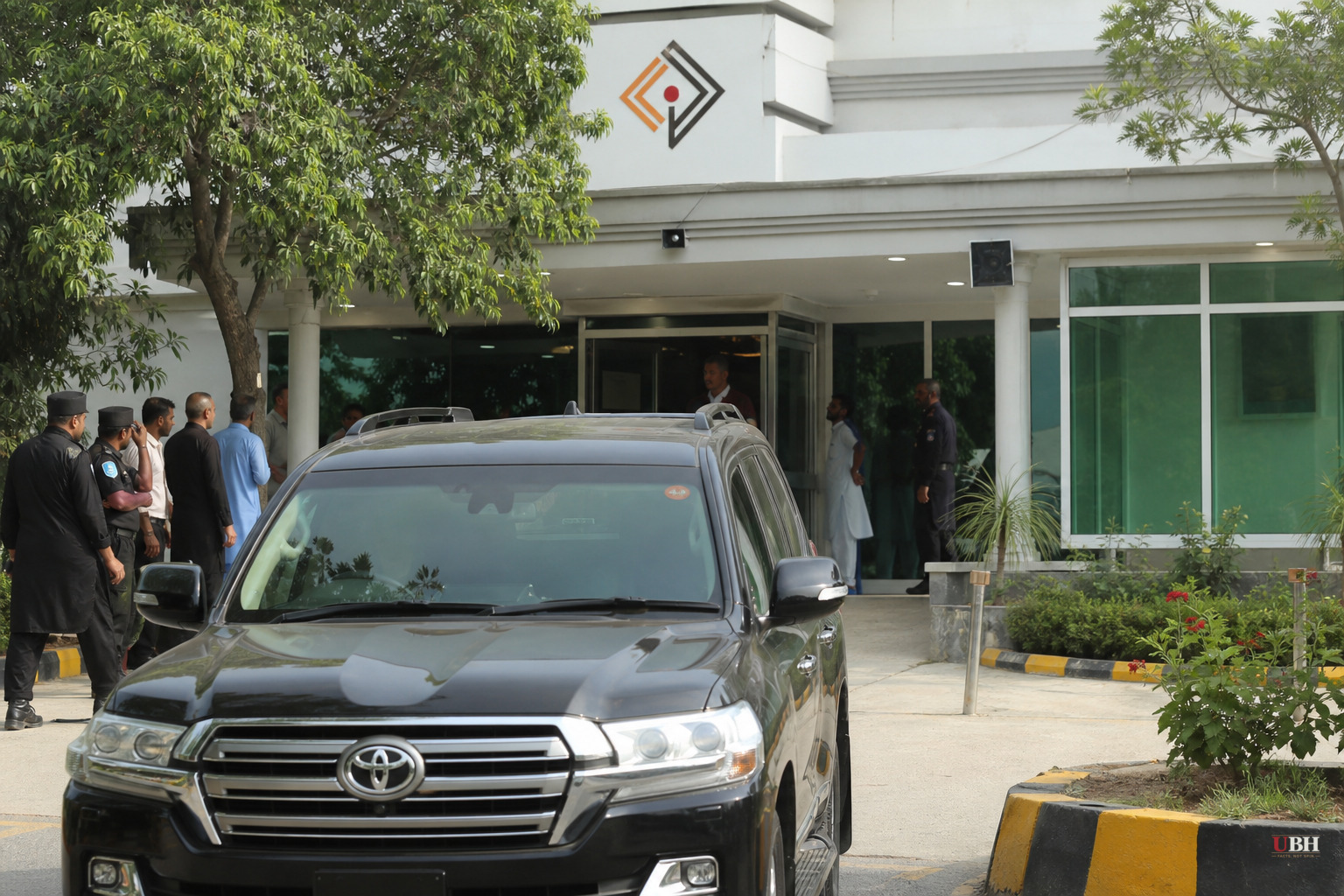
Imran Khan spent a few hours outside a prison cell for the first time in months. Then he went right back in.
Pakistan's former prime minister was moved from Adiala Jail in Rawalpindi to Shifa International Hospital in Islamabad after midnight Friday, according to the Associated Press and CNN. A team including an ophthalmologist, a cardiologist and a physician examined him. Information Minister Attaullah Tarar said on X that doctors "declared him medically fit," and Khan was back in prison by Friday morning.
This didn't happen voluntarily. Pakistan's Supreme Court ordered it Tuesday, giving authorities 48 hours to get Khan to a hospital after his family and lawyers spent months raising alarms about his health, according to the BBC and the Guardian. The three-judge panel wrote that it was "mindful of the constitutional and legal obligation... to safeguard the life, health, dignity and security of the prisoner." The court also ordered a medical board that includes Khan's personal physician, Faisal Sultan, and reinstated weekly family visits, per CNN.
Here's the timeline that got Pakistan to this point. In February, Khan's lawyers said he had lost roughly 85% of the vision in his right eye due to an untreated blood clot, a claim the government disputed, according to the BBC and NBC News. Breitbart reported that Khan's spokesman, Zulfi Bukhari, told Sky News back in the winter that a "fully equipped ambulance" was sent to the prison but Khan was never taken to a proper hospital, and that his personal doctor was never allowed to examine him directly. In January, government officials said Khan had undergone eye surgery, but Breitbart reported his family and supporters were furious they weren't told about the procedure beforehand.
Pakistani officials have consistently pushed back on the severity of the claims. NBC News reported the government later said Khan had regained about 70% of his vision and his condition was improving. Cabinet Minister Tariq Fazal Chaudhry said in the days before the hospital visit that "no major complications have emerged" from the surgery, though Khan's own physician, Dr. Aasim Yusuf, told reporters he was only told about the improvement secondhand and still hadn't been allowed to examine his patient.
Former Pakistani President Arif Alvi added fuel to the fire this week, posting on X that Khan's medical reports were "alarming" and describing "anxiety and stress levels," heart palpitations and high blood pressure, according to the Times of India. Khan's sons, Sulaiman and Kasim, told CNN this month they'd been unable to visit their father and feared for his life. Breitbart reported Kasim Khan said on social media that his father's vision loss was a "direct consequence" of prison neglect.
The government disputes that characterization. Officials maintain prisoners get medical treatment behind bars and are transferred to government facilities when necessary, and Parliamentary Affairs Minister Tariq Fazal Chaudhry said this week the government would "fully comply" with the court's order, according to NBC News. Chaudhry also floated the idea that Khan could be treated abroad if adequate care wasn't available domestically. The government also asked the Supreme Court to clarify whether this medical relief order applied only to Khan or could extend to other prisoners, a request Chaudhry insisted wasn't meant to delay compliance.
Security around the hospital was heavy. Police vans, barricades and armored vehicles sealed off the area, and the Supreme Court explicitly barred Khan's Pakistan Tehreek-e-Insaf party from holding news conferences outside the hospital, according to the BBC. PTI leader Asad Qaiser posted on X that any party worker who showed up outside the hospital in defiance of that order "would have no affiliation with the party," the Guardian reported. That discipline held. No mass gatherings materialized.
Khan, 73, has been in prison since 2023 and faces more than 100 cases, ranging from corruption to leaking state secrets, which he and PTI have long called political retaliation for challenging Prime Minister Shehbaz Sharif's government. Courts have not agreed. He and his wife, Bushra Bibi, were sentenced to 17 years in a separate case late last year, and he's also serving 14 years on a 2025 corruption conviction tied to land deals with a property tycoon. He denies all of it.
What's unresolved is whether this hospital visit changes anything beyond the optics. Khan's family wanted him to stay at the hospital for actual treatment, not a same-day evaluation, according to NBC News. Instead he's back in the same cell. His personal physician still hasn't independently examined him without government minders present. The Supreme Court's clarification request from the government, on whether this ruling applies to other prisoners, remains unanswered and could shape how much this case actually changes prison medical access in Pakistan going forward.
Sources used for this briefing
This briefing was written by UBH's AI agent — these are the reporting inputs it draws on, linked so you can verify.


