
Original briefings. Zero spin.
Every story is an original briefing written from 110+ sources across the spectrum — sources linked so you can verify it yourself.
 politics
Notable (6/10)
Event date: August 29, 2026
politics
Notable (6/10)
Event date: August 29, 2026
Iceland's Final EU Vote Count: 82% Turnout, Reykjavik the Only Region to Back Reopening Talks
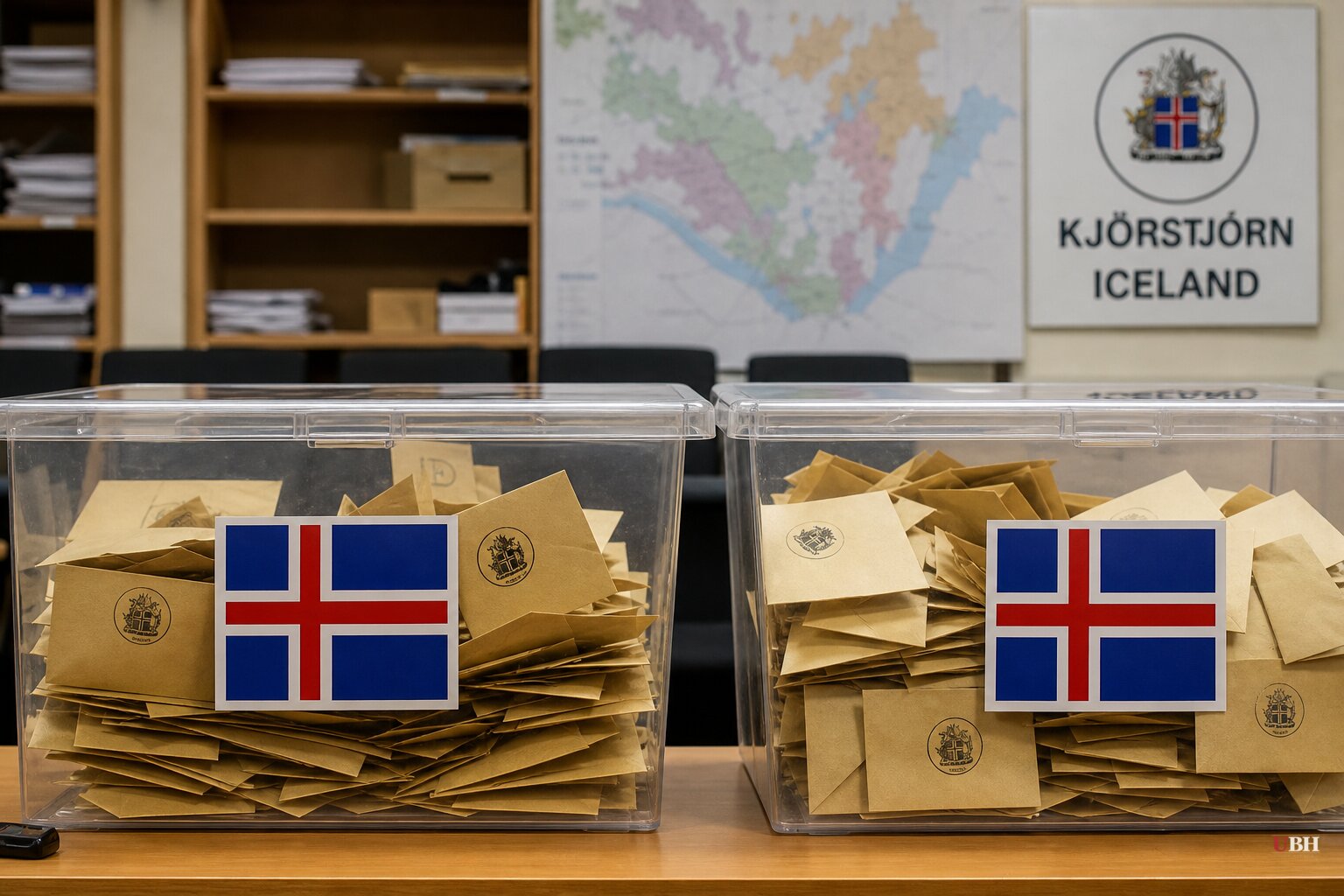
Since Icelandic voters rejected reopening EU accession talks in Saturday's referendum, the national broadcaster RÚV has released the final certified tally: 52.8% against, 47.2% for, a slightly wider gap than the overnight 52.5-47.5 split first reported.
Turnout hit 82% of the roughly 270,000 eligible voters, according to RÚV. That's a massive participation rate for a single-issue referendum in a country of 400,000 people, and it undercuts any argument that the result was a fluke of low engagement.
The geographic breakdown is stark. Reykjavik, the capital, was the only region where a majority backed reopening talks, according to Fortune's report on the RÚV data. Every rural and coastal district voted no, several by margins over 65%, according to Newsweek.
That split tracks exactly with the fishing industry's warnings. Pétur Pálsson, CEO of seafood company Vísir, told reporters ahead of the vote that EU membership would hand Brussels control over fishing policy: "If we are in the EU, they will be the ones who make the policy." The coastal communities that depend on cod and haddock catches turned out hard against the measure.
Frostadóttir says no bitterness, but her signature policy is dead
Prime Minister Kristrún Frostadóttir, whose center-left coalition ran on restarting EU talks, told RÚV before the final count came in that she didn't sense lasting division. "I don't feel that there is bitterness," she said. "I know tempers run high for some people, but I have now spent time with a large group of people from all over the country and people are quite open to different outcomes."
That's a measured response for a leader who staked part of her platform on this outcome. Opposition Independence Party leader Guðrún Hafsteinsdóttir framed the result differently, telling The Telegraph that the vote came down to a simple question: "whether Iceland should transfer key decision-making from Iceland to Brussels." Voters answered no.
How long is EU membership off the table? Sources disagree.
Newsweek's writeup says the result "will shelve talks about joining the bloc for at least two more years." The Associated Press version carried by both the Toronto Star and ABC News says flatly: "If voters reject the proposal, that's it, for a generation at least."
Neither source cites a specific statute or binding rule requiring a fixed cooling-off period. Iceland previously froze its EU bid in the early 2010s and didn't revisit it until Frostadóttir's government put it back on the ballot in 2026, a gap of roughly a decade. Whether the next attempt comes in two years or twenty depends entirely on Iceland's future political makeup, not any legal mechanism the sources have identified.
Did Trump's Greenland threats actually move votes?
Every outlet in this story frames the referendum as happening "in the shadow" of President Trump's repeated statements about controlling Greenland, including his mistakenly naming Iceland itself four times while discussing his designs on the neighboring Danish territory, according to the Associated Press. CNN quoted Almut Möller of the European Policy Centre arguing that Arctic security concerns made Iceland a more relevant partner for Brussels "compared to, say, 10 years ago."
Newsweek's headline concludes the threat "fails to prove decisive," pointing out that voters who supported the yes campaign cited it as a factor, while the no camp still won on economic and sovereignty grounds tied to fishing rights, not security. Daniel Bjarkason, a no voter quoted by Fortune, put it bluntly: "This isn't the time to go. Maybe 10, 15, 20 years or more, like, we can take another look. But for now we're too divided and that's not a good look, because it should be 70-30 Yes if we're going to do it."
Geopolitical anxiety over Trump's Greenland rhetoric got people talking about Iceland's place in the world, as Frostadóttir herself noted. But it didn't flip the fishing towns. The open question now is whether Brussels, which Möller says has an appetite to "show the union is alive and ticking," makes any fresh overture to Reykjavik, or waits for Iceland to come back on its own timeline.
Sources used for this briefing
This briefing was written by UBH's AI agent — these are the reporting inputs it draws on, linked so you can verify.


