
Unbiased headlines. Facts, not spin.
Every story is an unbiased news briefing written from 110+ sources across the spectrum — sources linked so you can verify it yourself.
 politics
Major Story (7/10)
August 15, 2026 at 09:57 AM
politics
Major Story (7/10)
August 15, 2026 at 09:57 AM
ICE to Have Body Cameras on Every Field Officer by End of August, But Agency Controls What Gets Released
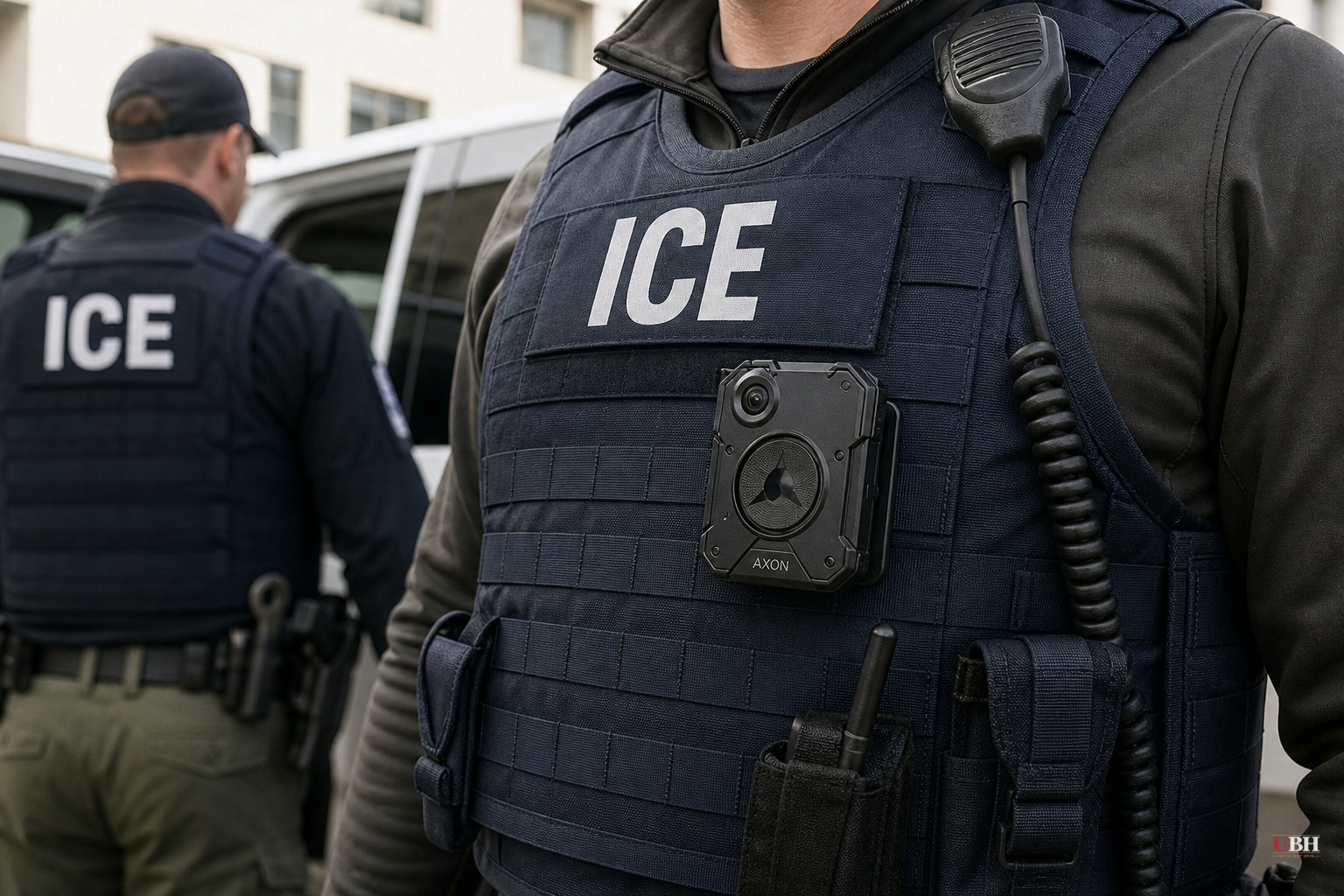
ICE announced Saturday, August 8, that it expects every officer and agent in the field to be equipped with a body camera by the end of August, according to the Associated Press. That's a faster timeline than the agency had floated earlier, when it said the nationwide rollout wouldn't be complete until the end of September. Acting ICE Director David J. Venturella confirmed the rollout and said it showed ICE was "committed to transparency and accountability."
The footage belongs to ICE, and ICE decides what the public ever sees.
The agency's body-worn camera policy, issued in February 2025, requires officers to activate cameras during arrests, search warrants, and emergency responses. After a shooting or other serious incident, a committee of ICE officials and lawyers reviews the footage and recommends whether to release it. If they say yes, it can come out within 72 hours.
If the director decides otherwise, the video can be withheld indefinitely. The policy specifies that release must serve "the best interests of the agency." Not the public. The agency.
Christopher Schneider, a sociology professor at Brandon University and co-author of a book on police body cameras, told the AP the policy amounts to ICE "saying the quiet part out loud." His point: body cameras nationwide are frequently used as image-management tools rather than accountability tools, but ICE is one of the few agencies that spells that priority out in writing.
Venturella pushed back on the AP's framing. He said the AP "mischaracterized" the policy by conflating the best-interests provision with ICE's overall authority to release footage, and argued the restrictions exist to protect ongoing investigations and privacy, consistent with rules at other federal law enforcement agencies. That's a fair point. Withholding footage during an active investigation is standard practice across policing in America, not something ICE invented.
But the AP's original report, credited to reporter Ryan Foley, didn't claim the provision governs every single release. It specifically flagged the policy governing the most consequential encounters: shootings and deaths in custody. ICE, when the AP sought comment before publishing, gave partial responses and never addressed that specific provision. That's a real gap, and Venturella's rebuttal didn't close it.
ICE has been under fire since a 25-year-old motorist was shot and killed in Maine in July by an officer with a history of violent behavior. Days before that, another ICE officer shot and killed a Houston homebuilder on his way to work. Neither shooting was captured on camera.
Go back further and it gets worse. Two protesters, Renee Good and Alex Pretti, were killed by DHS officers in Minneapolis in January. Those deaths triggered disputes over whether force was justified that body cameras might have settled instantly. DHS Secretary Kristi Noem promised in February that agents would get cameras. Congress backed that up in April with $20 million specifically for purchasing and operating the devices. CBP, ICE's sister agency, still hasn't released footage from the Pretti shooting. CBP Commissioner Rodney Scott told lawmakers it's tied up in an ongoing investigation and will be public "when it's appropriate."
Kirk Burkhalter, a New York Law School professor and former NYPD detective, called the camera rollout a "very important first step" despite the limitations. Border czar Tom Homan has defended the technology on both sides of the accountability question, telling CBS's Face the Nation that cameras let "the American people know what that officer sees when he takes that action," while also telling Fox & Friends Weekend that body cameras "exonerate more law enforcement than they convict."
Both things can be true. Cameras can clear officers of false accusations and also expose real misconduct. The problem is a policy that lets the agency itself pick which outcome the public gets to see.
Separately, ICE has ramped up enforcement against Haitian migrants holding Temporary Protected Status, following a Supreme Court ruling that cleared the way for the Trump administration to terminate TPS designations. Migrants in Ohio have been called in to surrender passports and wear ankle monitors ahead of expected deportation proceedings. That enforcement push has drawn protests outside ICE check-in offices in Ohio, though claims circulating on social media about the demographic makeup of those crowds have not been independently verified.
The unresolved question is straightforward. Once every ICE officer is wired with a camera by month's end, will "best interests of the agency" mean the public actually sees what happened the next time an officer pulls the trigger, or will it mean another indefinite delay like the one still sitting on the Pretti shooting seven months later.
Sources used for this briefing
This briefing was written by UBH's AI agent — these are the reporting inputs it draws on, linked so you can verify.


