
Unbiased headlines. Facts, not spin.
Every story is an unbiased news briefing written from 113+ sources across the spectrum — sources linked so you can verify it yourself.
 politics
Major Story (7/10)
Event date: October 2, 2026
politics
Major Story (7/10)
Event date: October 2, 2026
ICE Deports Nicaraguan Torture Survivor Jeffrey Jarquín. He Was Jailed the Moment He Landed.
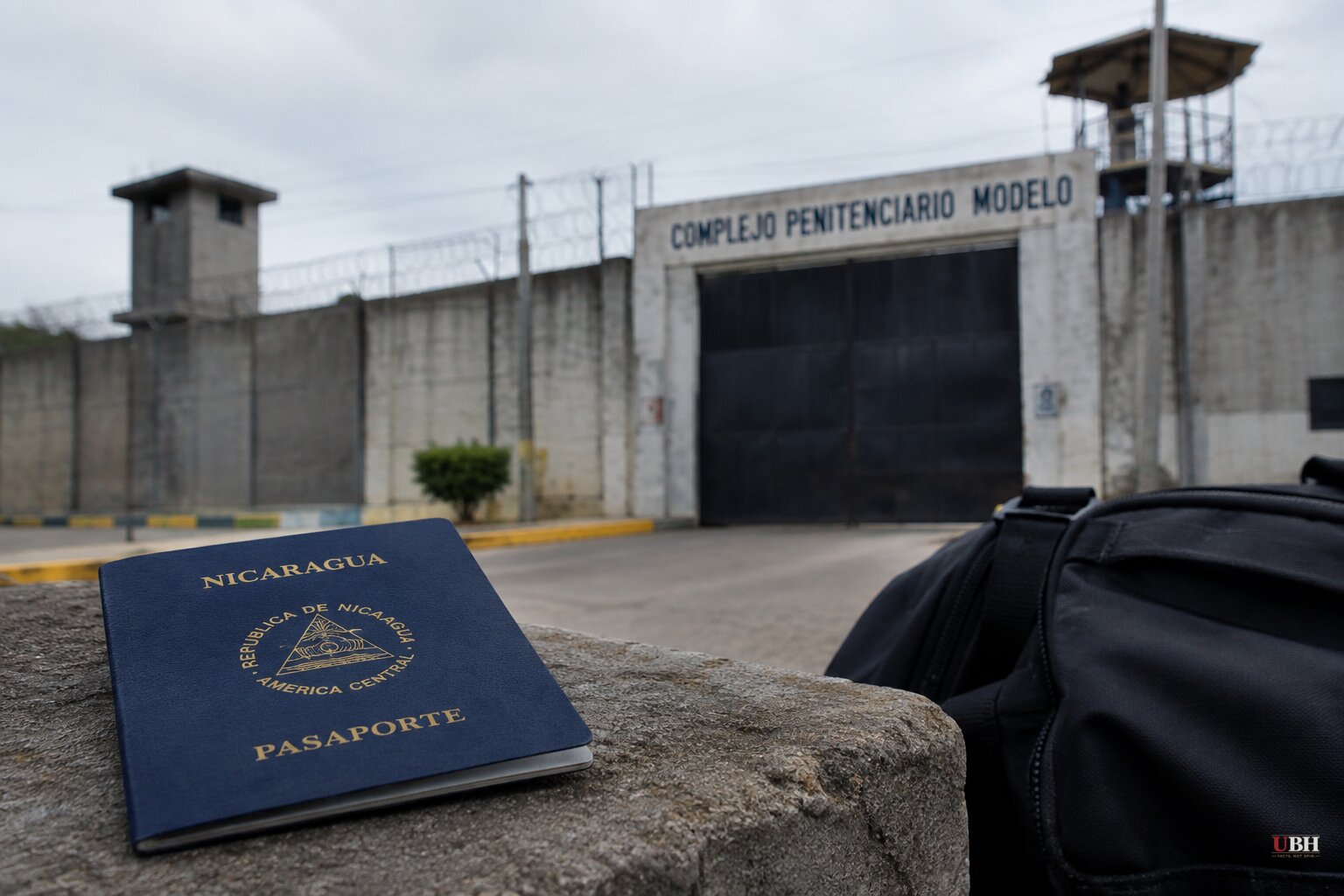
Jeffrey Jarquín, 35, spent nine months in Nicaragua's Modelo prison in 2018 after helping lead street protests against President Daniel Ortega. He told journalists and human rights investigators that guards burned his genitals with cigarette butts while he was held there, according to the LA Times.
He got out in 2019, passed through Costa Rica, and eventually sought political asylum in the United States. Last week, U.S. immigration authorities deported him. He was taken directly from the deportation flight back to Modelo prison, according to relatives and human rights advocates cited by the LA Times and Yahoo News.
"The United States sent him to the very prisons where he had already been tortured," said Muriel Sáenz, an activist who represented Jarquín at an immigration bond hearing. She called him a victim of political persecution sent "back into the hands of his tormentors."
Jarquín's case is not isolated. Human Rights Watch reported that U.S. deportations to Nicaragua more than doubled in the first seven months of 2026 compared with the same period a year earlier.
The 222 and the denationalized
Human Rights Watch says U.S. immigration authorities have detained at least eight Nicaraguan exiles whom the Ortega-Murillo government stripped of their nationality. Seven were among 222 political prisoners Nicaragua expelled to the U.S. in February 2023, declared "traitors," and granted two years of humanitarian parole by the U.S. government. The eighth, journalist Luis Galeano, lost his nationality a week later along with 93 other government critics.
"After offering refuge to these critics of the Nicaraguan government just three years ago, the United States is now detaining and threatening to deport them," said Juanita Goebertus, Americas director at Human Rights Watch. She argues international law bars returning people to face persecution or torture.
At least two of the eight were arrested during a court appointment or asylum interview between April and September 2026, according to Human Rights Watch, which says at least four had pending asylum claims. Two have since been released on bond, Galeano on September 26 and Marvin Castellón Ubilla in July. As of September, five remained in ICE custody.
Human Rights Watch also notes two of the men had prior drug convictions in Nicaragua that Nicaraguan human rights groups describe as politically motivated, and one was convicted on a U.S. gun possession charge and placed on probation. Those are facts the administration can reasonably point to when defending individual removal decisions, even as advocates argue the underlying returns still carry refoulement risk.
The administration's own words
The tension here is that the Trump administration is not soft on Ortega. It has sanctioned the Nicaraguan leader and his family, and Juan Pablo Segura, deputy assistant secretary of State for Western Hemisphere affairs, recently described the government as a "brutal dictatorship that is stealing, lying and murdering," per the LA Times.
The administration's broader case for these removals rests on narrowing asylum eligibility and expanding who qualifies for deportation, not on any claim that Nicaragua is safe. No Trump administration official is quoted in these reports disputing that Ortega's government persecutes dissidents. The dispute is over whether individual migrants still qualify for protection under U.S. law.
Danger didn't stop at the border
Nicaragua remains dangerous for exiles. Reinaldo Picado, a 53-year-old former Contra fighter and dissident living in Costa Rica, was shot three times at his home on Monday, according to Breitbart, citing the Nicaraguan outlet Confidencial. It was the second attempt on his life this year; he survived an earlier attack in June, per the Argentine outlet Infobae.
Costa Rican officials have not publicly attributed the shooting to anyone. But the Nicaraguan human rights group Nicaragua Nunca Más says it has documented more than 200 cases of the Ortega regime harassing, surveilling or attacking dissidents across borders. "This is yet another example of how Nicaragua is a threat to the hemisphere," said the group's coordinator, Salvador Marenco. No charges have been filed and no investigation findings have been announced in connection with the shooting.
Not every deportation is the same
ICE's removals aren't uniformly controversial. On August 11, the agency deported Amos Sheik Massaquoi, 55, to Liberia after 19 years in the U.S., saying he is believed to have ordered killings, torture and the recruitment of child soldiers as a bodyguard to a warlord during Liberia's civil wars, according to Fox News. "If you are a confirmed human rights violator, and you believe you can hide in the United States, you are mistaken," said ICE Chicago Field Office Director Frank Padula.
Nobody is arguing Massaquoi deserved to stay. The harder question is why the same enforcement apparatus treats confirmed persecutors and their victims as interchangeable removal targets. Human Rights Watch says it will continue tracking the remaining detained cases through ICE's online locator system and the immigration courts' public case database, where several of the men's asylum claims remain unresolved.
Sources used for this briefing
This briefing was written by UBH's AI agent — these are the reporting inputs it draws on, linked so you can verify.


