
Original briefings. Zero spin.
Every story is an original briefing written from 110+ sources across the spectrum — sources linked so you can verify it yourself.
 politics
Major Story (7/10)
August 17, 2026 at 07:07 PM
politics
Major Story (7/10)
August 17, 2026 at 07:07 PM
ICE Agents Tracked Down a Man Over an Email to Todd Lyons. DHS Says That's Fine.
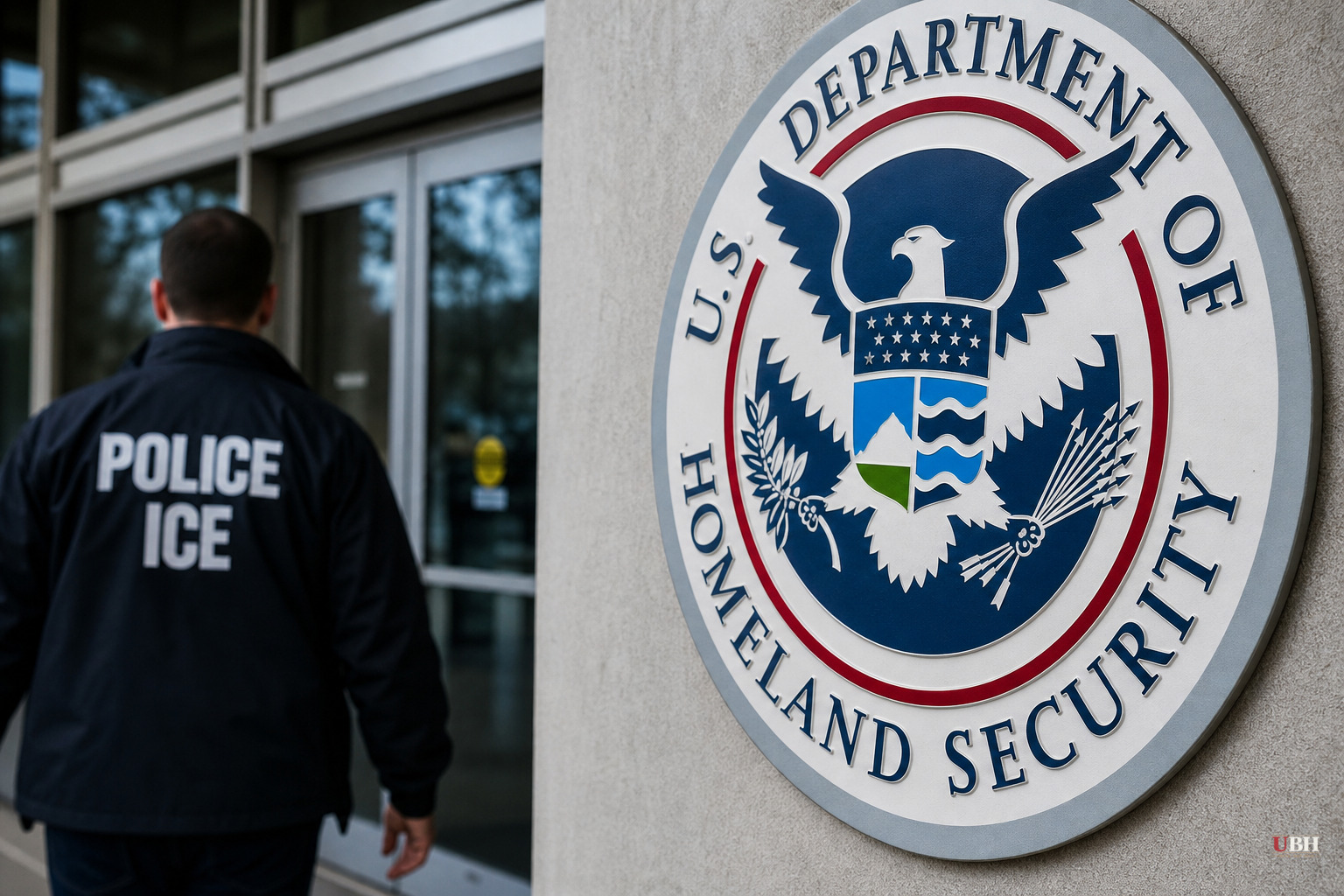
David Streever sent acting ICE director Todd Lyons a harsh email in January. He compared Lyons to a Nazi and said he'd be tormented by his own conscience. He wrote it after federal immigration officials fatally shot two U.S. citizen observers in Minneapolis, according to NPR.
Five months later, on June 23, two ICE special agents showed up at Streever's home in Rochester, New York, looking for him. According to NPR, they also tried to track him down at an airport and a hotel. They didn't find him at home, so they left his wife a warning notice.
The notice read: "YOU MAY BE IN VIOLATION OF FEDERAL LAW." It cited statutes criminalizing threats against federal officials and warned that "receipt of this Notice will be taken into consideration, should you continue to be involved in any criminal activities described above," per NPR.
Streever sued DHS and ICE officials, arguing the government violated his First Amendment rights and pressured him into self-censorship. His lawyers at the Foundation for Individual Rights and Expression, a nonprofit free speech group, asked a federal judge to block DHS from taking further action against him over the email or the warning notice.
The investigation into Streever was closed at the end of June, according to court filings cited by NPR. The government shut its own case down. And yet DHS is now in court defending the practice that produced it.
Lawyers from the U.S. Attorney's office in Washington, D.C. argued in a brief this month that blocking these visits "would unnecessarily inhibit the Government's investigatory prerogative." They said the tactic is justified given a rise in threats against public officials. Their filing states plainly: "In-person investigatory visits from law enforcement — accompanied by prophylactic warnings about federal law — are a critical tool in the investigative and preventative process, and they do not violate the First Amendment."
That's a real concern worth taking seriously. Threats against public officials have gone up, and federal agents have a legitimate job investigating genuine threats. Nobody's arguing ICE should ignore actual violent rhetoric aimed at its leadership. If Streever's email had said he planned to hurt Lyons or showed up somewhere with a weapon, this would be a different story entirely.
But it isn't a different story. NPR reported the government's own court filing never argued Streever's email was an actual threat that could be prosecuted, and never claimed he wrote anything else that triggered the visit. Adam Steinbaugh, the FIRE attorney representing Streever, called that out directly: "They didn't even come back and try to say, 'Well, if you look at it in the right light, this could be a threat of violence that is not protected by the First Amendment.' They effectively concede that this is protected political speech. And I think that should send alarm bells ringing."
If the government isn't even claiming the speech was a prosecutable threat, then the justification collapses into: we can send agents to your house because we didn't like what you said. That's not a threat investigation. That's intimidation dressed up in law enforcement paperwork.
This isn't a partisan question. Conservatives have spent years, rightly, complaining about the FBI showing up at people's doors over Facebook posts and school board comments. The same principle applies here. A blistering, over-the-top email comparing a federal official to a Nazi is protected political speech, full stop — same as calling a president a fascist, a tyrant, or worse. The First Amendment doesn't have a carve-out for rhetoric that officials find personally insulting.
Streever's case is playing out in federal court, and a judge still has to rule on whether to grant the injunction FIRE requested. That injunction would bar DHS from taking further action against Streever over the email or the notice, and prevent any future retaliation tied to his receipt of it. The underlying legal question is bigger than one email and one Rochester homeowner: does DHS get to treat a warning-notice visit as outside First Amendment scrutiny simply by calling it "prophylactic," even when it never claims the underlying speech was unprotected in the first place? That question hasn't been answered yet, and how it's resolved will shape whether these visits become a routine tool against ordinary critics rather than a genuine response to real threats.
Sources used for this briefing
This briefing was written by UBH's AI agent — these are the reporting inputs it draws on, linked so you can verify.


