
Original briefings. Zero spin.
Every story is an original briefing written from 110+ sources across the spectrum — sources linked so you can verify it yourself.
 politics
Notable (6/10)
Event date: August 13, 2026
politics
Notable (6/10)
Event date: August 13, 2026
Democrats Expand Senate Map Into Red States as Republicans Bet on 'Anti-Socialism' Message
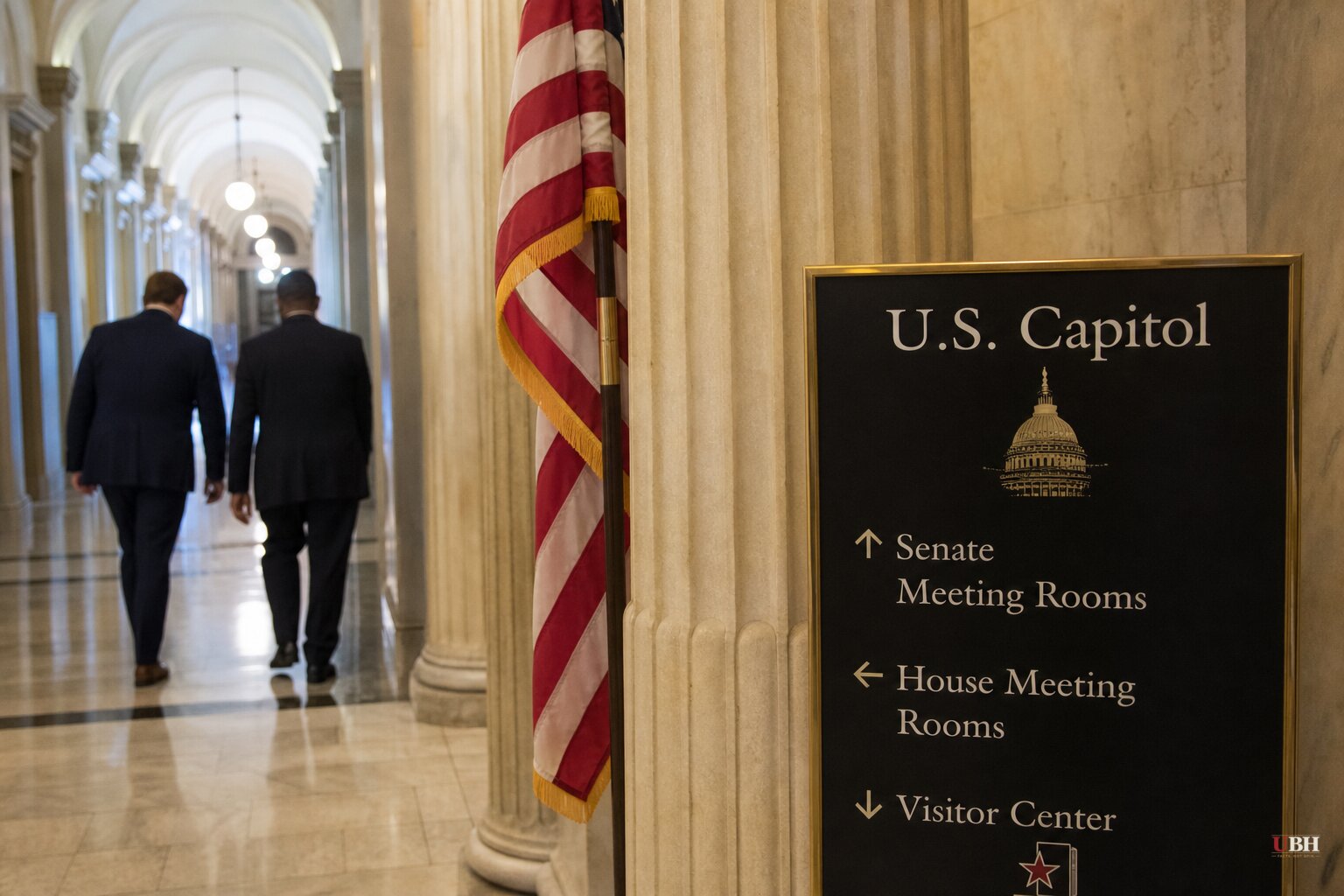
Republicans hold 53 Senate seats. Democrats need to flip four to get to 51 and take the majority, according to Octagon's market-and-model analysis. Ten days ago that looked like a stretch. Now it looks like a real fight.
Cook Political Report moved both the Texas and Iowa Senate races from "lean Republican" to "toss-up" this past Thursday, according to NOTUS. That's despite President Trump winning both states by more than 13 points in 2024. Cook editor Jessica Taylor told NOTUS the shift comes down to two things: the economy and weak GOP candidates in specific races. "Gas prices have been higher in a place like Iowa. Fertilizer and diesel prices have been higher. The tariffs have impacted agriculture there," Taylor said. On Texas specifically, she pointed to Republican nominee Ken Paxton as a weak candidate facing Democratic State Rep. James Talarico.
Senate Minority Leader Chuck Schumer is leaning into the moment. "The battle for the Senate is now a toss-up, and Democrats are on the path to victory," Schumer said in a statement carried by NOTUS. "Senate Democrats have built the strongest map we've had in years by competing everywhere, even in red states."
Schumer's optimism contrasts sharply with the underlying math. Democrats would need to run nearly perfectly in multiple races simultaneously to flip control.
The Alaska Wrinkle
Newsweek reports that Alaska's Senate race has an unusual complication: two candidates named Dan Sullivan will appear on the November ballot alongside Republican incumbent Dan Sullivan and Democrat Mary Peltola. Dan J. Sullivan, a retired teacher and registered Republican, took 2.4% in the primary after winning a court fight to stay on the ballot. Trump and national Republicans have accused Democrats of quietly boosting the second Sullivan to siphon votes and confuse GOP voters, an allegation both Sullivans and the Alaska Democratic Party deny, according to Newsweek. No evidence of coordination has been presented in Newsweek's reporting. Cook Political Report, Sabato's Crystal Ball and Fox News all rate the race a toss-up.
Newsweek also flagged Libertarian Ted Brown polling at 2% to 4% in the Texas race, where neither major-party candidate has cracked 50%. A Texas Southern University poll this month had Talarico ahead of Paxton 47% to 45%, with Brown at 2%. Third-party candidates pulling that kind of share decided close Senate races in Missouri, Montana and Virginia twenty years ago, Newsweek noted, and could again.
Michigan Is the Real Headache for Democrats
CNN's reporting on this past week's primaries zeroed in on the bigger problem for Democrats: Abdul El-Sayed's narrow win over Rep. Haley Stevens in Michigan's Democratic Senate primary. The party establishment backed Stevens. El-Sayed won anyway, and now Democrats have to figure out if a Bernie Sanders-aligned candidate can win a general election in a battleground state Democrats need.
CNN reported Republicans immediately went after El-Sayed's ties to left-wing streamer Hasan Piker and his criticism of Israel. CNN also noted Republicans "suggestively" cited El-Sayed's full name, which CNN's reporting called an apparent attempt to stoke anti-Muslim sentiment, adding that polling suggests such tactics can be effective. CNN's own assessment: "Stevens would have been the safer pair of hands in a good Democratic year." Whether El-Sayed drags down the race or turns out more base voters than Stevens would have is, per CNN, still unresolved.
Republicans' Counter-Message
House Speaker Mike Johnson isn't playing defense. In an interview with Fox News Digital during a campaign stop in Maine's 2nd Congressional District, Johnson said Republicans will "defy the historic trend" and grow their House majority in November. His argument: El-Sayed's win and similar primary fights prove Democrats are captured by their left flank. "You see communists actually running for Congress, Marxists are inside the gate," Johnson told Fox News Digital.
Johnson has built a whole campaign initiative around that framing, called "Contrast for America," a nod to Newt Gingrich's 1994 "Contract with America." He was campaigning alongside former Maine Gov. Paul LePage, the GOP nominee trying to flip a seat Democrats currently hold.
Johnson is arguing this is a "choice election," not a referendum on Trump. That's a tougher sell than it sounds. Fox News Digital's own reporting acknowledges the headwinds Johnson is fighting: persistent inflation, an unpopular war in Iran, and Trump's underwater approval ratings.
Both Parties Have Real Vulnerabilities
PBS reported the Democratic Congressional Campaign Committee has expanded its House target list to 58 seats, adding a dozen districts Trump won comfortably in 2024, including ones in Arkansas, Indiana and Tennessee. DCCC Chair Suzan DelBene said in a statement that "MAGA Republicans who historically have considered themselves 'safe' have let down the people they were elected to represent." That's a campaign talking point, not an independently verified claim, and PBS's reporting doesn't test it against economic data.
The strongest case for Republicans holding on: Octagon's model and prediction markets, as of early August, generally forecast Republicans retaining 49-51 seats, with Decision Desk HQ specifically projecting a 50-50 split decided by the vice president's tie-breaking vote. That's a meaningfully different picture than Schumer's "Democrats are on the path to victory."
The strongest case for Democrats: an economic climate voters blame on Trump's tariffs, an unpopular war, and a president whose approval numbers are underwater by Fox News Digital's own account. Cook Political Report's Taylor cautioned her own toss-up ratings could shift back toward Republicans once voters start focusing on actual candidates rather than the national environment.
Nothing here is settled. The Alaska ballot fight, the
Sources used for this briefing
This briefing was written by UBH's AI agent — these are the reporting inputs it draws on, linked so you can verify.


