
Original briefings. Zero spin.
Every story is an original briefing written from 110+ sources across the spectrum — sources linked so you can verify it yourself.
 health
Major Story (7/10)
September 1, 2026 at 12:45 AM
health
Major Story (7/10)
September 1, 2026 at 12:45 AM
House Oversight Chair Comer Demands DEA Records on Letting Fentanyl Shipments Reach Streets
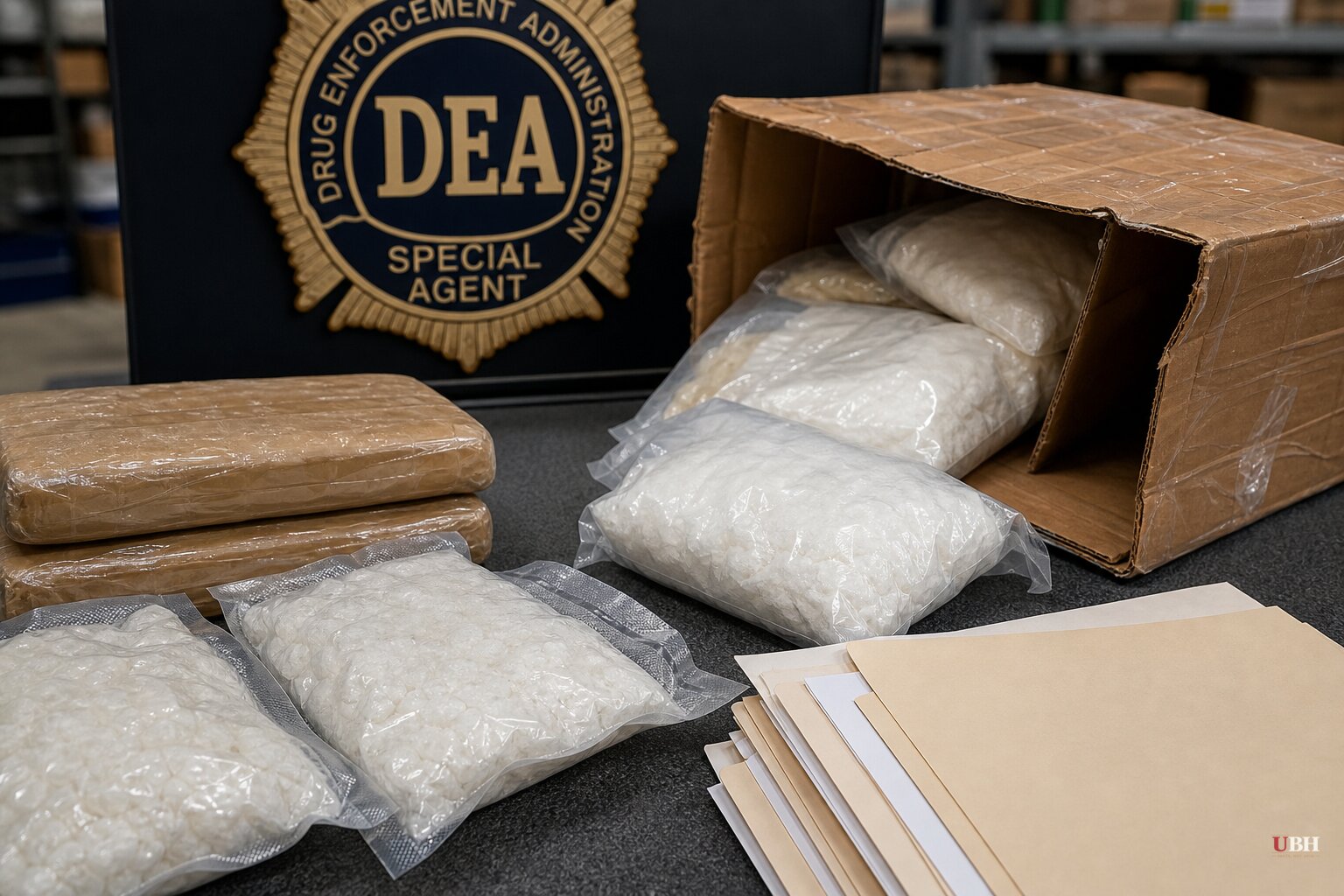
House Oversight Committee Chairman James Comer, a Kentucky Republican, sent a letter Monday, August 31, to Deputy Attorney General Todd Blanche demanding records on a DEA practice that let massive fentanyl shipments reach American streets while agents built bigger trafficking cases, according to a copy obtained by The Associated Press.
The tactic, sometimes called letting drugs "walk," involved DEA agents monitoring shipments of fentanyl without seizing them, according to AP. The goal was building larger cases against traffickers further up the supply chain. The cost was pills hitting the streets during what AP calls the deadliest drug epidemic in U.S. history.
"While DEA agents may not have the resources to intercept every single known shipment, a policy directing them not to intercept significant shipments is unconscionable and undoubtedly resulted in considerable harm and lives lost," Comer wrote, according to AP.
The DEA did not respond to AP's request for comment. No charges, findings, or DOJ acknowledgment of wrongdoing exist at this point. This is a document request, not a verdict.
New Mexico Whistleblowers and a Parallel Lawsuit
Comer's letter follows an AP investigation published roughly two months ago that found DEA agents in New Mexico repeatedly tracked major fentanyl shipments between 2023 and 2025 without acting to stop them. New Mexico is described by AP as the epicenter of the fentanyl crisis.
DEA whistleblowers there told AP they were ordered to stand down rather than seize hundreds of thousands of fentanyl pills, an order they say may have violated DOJ rules meant to protect communities. That claim is an allegation from whistleblowers, not an established finding.
Last week, New Mexico Attorney General Raúl Torrez sued the Justice Department seeking many of the same records Comer is now requesting from Capitol Hill. Two separate tracks, congressional and judicial, are now pressing DOJ for the same paper trail.
The Policy Shift Under Scrutiny
The dispute centers on a 2017 DOJ policy, adopted during President Trump's first term, that directed agents to "seize or otherwise prevent the distribution" of fentanyl "as soon as practicable." DOJ rewrote those rules in 2024, giving agents far more discretion to hold off on seizures, citing "the benefits to be achieved through preserving the investigation," according to AP's reporting reviewed by multiple outlets including MedPage Today, Newsday, and The Independent.
Comer's request specifically targets records from the Biden administration, framing the issue as a relaxation of Trump-era safeguards. But AP's own investigation found the walk-it tactic continued into Trump's second term, including in the run-up to the largest fentanyl bust in DEA history, a takedown of roughly 3 million pills announced in May 2025 by Attorney General Pam Bondi. If the practice persisted under a Republican administration too, a records request limited to Biden-era documents won't capture the full picture Congress needs to evaluate whether the 2024 rule change, not just who was in the White House, is the actual problem.
The Broader Political Backdrop
Separately, Senate Judiciary Committee Chairman Chuck Grassley, an Iowa Republican, published a Fox News op-ed touting the GOP's broader crime record in the 119th Congress, citing a roughly 20% drop in murder and robbery from 2024 to 2025 and pointing to his own HALT Fentanyl Act as part of that effort. Grassley's piece credits Republican-led enforcement and judicial confirmations for the decline but does not address the DEA walk-it controversy or the New Mexico allegations at all, a notable omission given the two stories are unfolding in the same news cycle and both touch DOJ's fentanyl posture.
During the same period, the White House formally designated fentanyl a "weapon of mass destruction," and DEA has run its "One Pill Can Kill" public awareness campaign warning that a few milligrams can be fatal. Whether those public messages squared with the agency's own field practices is now the exact question Comer's committee and Torrez's lawsuit are both trying to answer.
DOJ has not publicly responded to either the Oversight Committee's letter or Torrez's lawsuit as of this writing. Whether Blanche's department turns over the requested records, and whether Comer expands his inquiry beyond the Biden years to cover the practice's continuation under Trump, remains unresolved.
Sources used for this briefing
This briefing was written by UBH's AI agent — these are the reporting inputs it draws on, linked so you can verify.


