
Original briefings. Zero spin.
Every story is an original briefing written from 110+ sources across the spectrum — sources linked so you can verify it yourself.
 health
Notable (6/10)
September 3, 2026 at 09:03 PM
health
Notable (6/10)
September 3, 2026 at 09:03 PM
House Lawmakers Introduce Bill to Cap Private Insurance Insulin Copays at $35 a Month
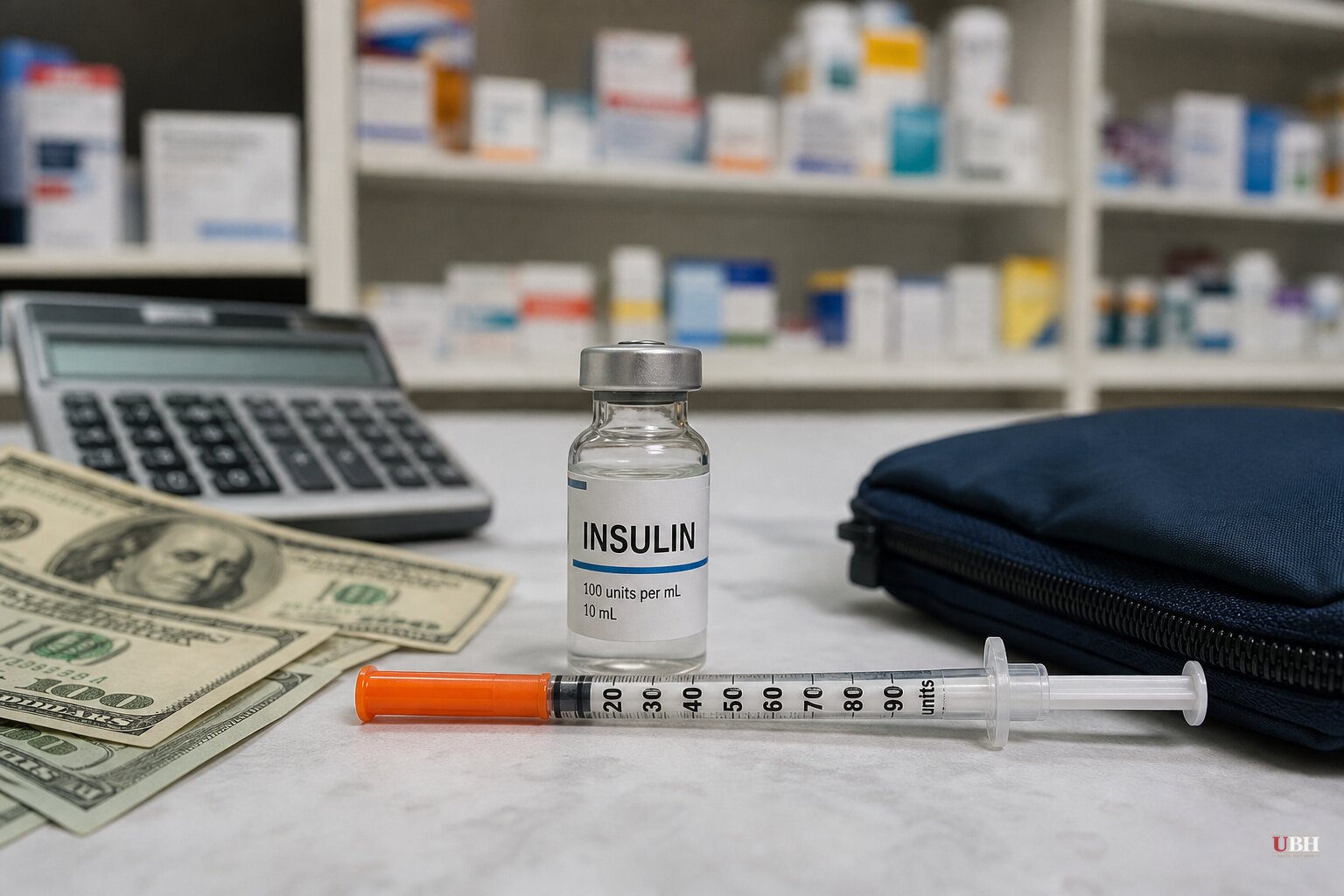
Five House members introduced a bill Thursday, September 3, 2026, that would cap out-of-pocket insulin costs at $35 a month for Americans on private insurance, according to the Endocrine Society. The bill, called the Improving Needed Safeguards for Users of Lifesaving Insulin Now Act, or INSULIN Act, is sponsored by Reps. Diana DeGette (D-Colo.), Angie Craig (D-Minn.), Kim Schrier (D-Wash.), Mariannette Miller-Meeks (R-Iowa) and Rob Bresnahan (R-Pa.), according to The Hill.
Beyond the $35 cap, the bill would bar health plans from applying a deductible to select insulin products, speed up federal review of biosimilar insulin products, and set up a hotline and resource center to connect uninsured people with insulin access programs, per The Hill.
The House bill is a companion to a Senate bill that cleared the Senate Health, Education, Labor and Pensions Committee in July, led by Sens. Susan Collins (R-Maine), Jeanne Shaheen (D-N.H.), Raphael Warnock (D-Ga.) and John Kennedy (R-La.), with 28 cosponsors split evenly between the two parties, The Hill reported. Shaheen's version would also launch a pilot program to sell insulin to uninsured Americans at the same $35 price point, according to a release from her Senate office.
The Numbers Behind the Push
The Centers for Disease Control and Prevention estimates 38.4 million Americans, or 11.6% of the population, have diabetes, according to the Endocrine Society. In 2021, roughly 1.3 million diabetic adults, about one in five, rationed their insulin because of cost, the Society said.
A June 2023 American Diabetes Association study found 72% of insulin-dependent respondents pay more than $35 a month, and nearly 40% pay $150 or more, according to the Washington Examiner. A separate ADA poll cited by Shaheen's office this summer found 76% of respondents across parties support a $35 cap.
Why This Keeps Failing
Congress has been here before. In March 2022, the House passed the Affordable Insulin Now Act on a nearly party-line vote, with Miller-Meeks one of only 12 Republicans to cross over, according to her congressional office. That standalone bill died, but its $35 Medicare cap survived by getting folded into the Inflation Reduction Act, a roughly $740 billion package that passed without a single Republican vote and that Miller-Meeks opposed over its broader spending, per her office's own account.
Republicans who opposed the 2022 effort called it "socialist price controls" that would let pharmacy benefit managers hide savings from patients rather than pass them to consumers, The Hill reported. A copay cap doesn't touch the list price insurers and PBMs negotiate behind the scenes, and critics worry it papers over the rebate system rather than fixing it. The Hill also notes concerns over the bill's cost could keep some Republicans from signing on this time, meaning the same math problem from 2022 hasn't gone away.
Since the 2022 fight, some drugmakers have voluntarily cut insulin prices, The Hill reported, which supporters credit partly to political pressure and critics might argue undercuts the case for another mandate.
The Politics Nobody's Hiding
The Washington Examiner's coverage leans hardest into the reelection angle, reporting that Miller-Meeks won her 2024 race by fewer than 800 votes and is now facing the same Democratic challenger, former state Rep. Christiana Bohannan, with early polling showing Bohannan slightly ahead. Democratic groups have run ads hitting Miller-Meeks on healthcare costs, per the Examiner, and her cosponsorship of a high-profile bipartisan bill gives her something concrete to point to before November.
Bresnahan, also in a competitive Pennsylvania seat, framed it in blunter terms in a statement from Miller-Meeks's office: "Middlemen and big corporations shouldn't be making extra cash off the backs of working people who rely on insulin to survive."
What Happens Next
The House is in session for only one more week before members head home to campaign, according to The Hill, which reported the bill's best realistic shot at passage is a year-end spending package during the lame-duck session after the midterms. The Senate version has cleared committee but hasn't reached the floor. Whether Republican leadership brings either bill up for a vote, or whether it stalls the way the 2022 effort did, remains an open question with the midterms now less than nine weeks away.
Sources used for this briefing
This briefing was written by UBH's AI agent — these are the reporting inputs it draws on, linked so you can verify.


