
Original briefings. Zero spin.
Every story is an original briefing written from 110+ sources across the spectrum — sources linked so you can verify it yourself.
 politics
Major Story (7/10)
Event date: August 22, 2026
politics
Major Story (7/10)
Event date: August 22, 2026
Hong Kong Convicts Tiananmen Vigil Leaders, Sentencing Set for Coming Weeks
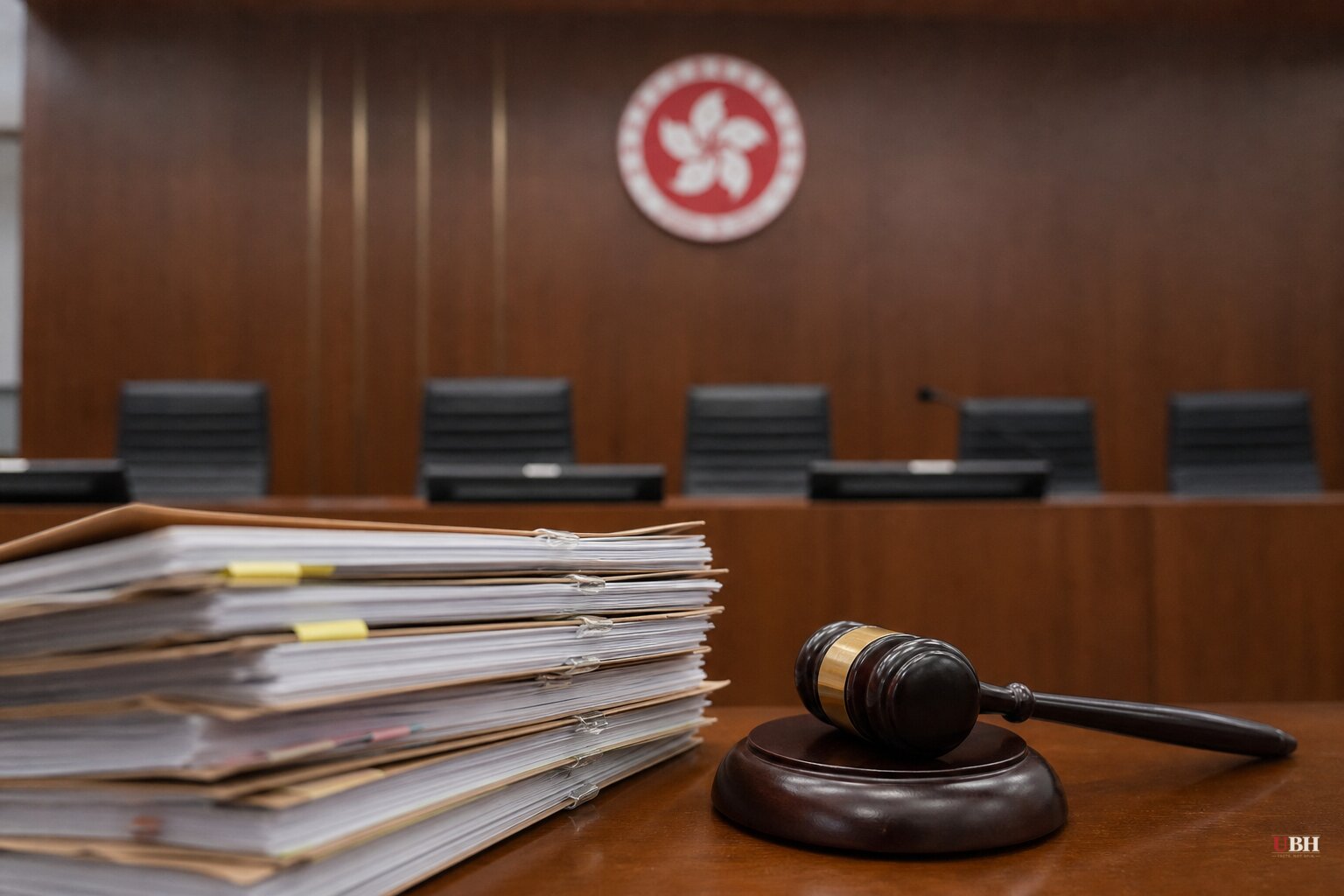
A Hong Kong court convicted two longtime pro-democracy organizers of "incitement to subversion" on Aug. 21, 2026, for their roles running the city's annual vigils honoring victims of the 1989 Tiananmen Square crackdown.
Lee Cheuk-yan, 69, and Chow Hang-tung, 41, led the now-disbanded Hong Kong Alliance in Support of Patriotic Democratic Movements of China, according to the Associated Press. A third defendant, former lawmaker Albert Ho, 74, pleaded guilty in January.
The three-judge panel ruled the pair "intended to cause others to lose confidence" in the Chinese Communist Party by calling to "end one-party dictatorship," one of the Alliance's core demands, according to a press summary cited by both the Guardian and Manila Times. The judges said this amounted to "overthrowing or undermining the basic system" set out in China's constitution.
Lee and Chow were charged in 2021 and have been jailed since. They now face up to 10 years in prison. The court heard mitigation arguments on Aug. 28, and Judge Alex Lee said sentencing would come within two weeks of that hearing, according to the AP report carried by WBOC. That puts a sentencing decision on track for around mid-September 2026, meaning as of today the punishment has not yet been handed down.
Chow, a Cambridge-educated barrister who represented herself at trial, told the court she did not believe she deserved "even one day in prison." "If the law truly has no room for our beliefs, then I would rather be a criminal than be a hypocrite," she said, according to the AP. Erik Shum, a lawyer for Lee and Ho, argued the men's advocacy involved no violence and did not actually destabilize the Communist Party's grip on power.
The Hong Kong government has defended the prosecution, insisting the court "only considered the laws and evidence" and that rights and freedoms in the city "are not absolute," per the AP account. That is the core argument Beijing and Hong Kong officials have made since imposing the national security law in 2020, following the large and at times violent 2019 pro-democracy protests. They argue the law restores order after unrest that threatened the city's stability.
Critics reject that framing. France and Germany said in a joint statement reported by the Guardian that they "deeply regret" Chow's conviction, adding "peaceful advocacy for human rights does not constitute a crime." Chow received the Franco-German human rights prize in 2023. The UK Foreign Office also condemned the use of the national security law to convict the two activists, the Guardian reported. From prison, Chow wrote to UK Prime Minister Keir Starmer accusing Beijing of trying to "rewrite Hong Kong history" and erase memory of the 1989 crackdown.
For three decades before the security law, Hong Kong and Macau were the only places on Chinese soil where public commemorations of the June 4, 1989 crackdown were allowed, drawing tens of thousands of people annually to Victoria Park, according to the Guardian and Manila Times. That commemoration has been effectively banned since 2020.
The case is not isolated. Media mogul Jimmy Lai, jailed since 2020, is fighting a Hong Kong government attempt to confiscate more than 127 million Hong Kong dollars, about $16.2 million, that officials allege is linked to his supposed crimes, according to a commentary by Rachel Chiu in the Epoch Times. Sen. Dick Durbin has separately urged China to free political prisoners ahead of any Xi Jinping visit to the US, per the same Epoch Times piece.
The human toll extends beyond headline defendants. Sam Chan Chi-sum, profiled by SBS's Dateline program, spent nearly two years in prison after being convicted of subversion in 2021 for helping a student group send sweets and toiletries to jailed 2019 protesters. Chan says his criminal record now blocks him from becoming a teacher or nurse, careers he once wanted. "Since being released from prison, I feel as though I've entered a much larger cell," he told SBS. He is training as a documentary filmmaker instead.
Whether Lee, Chow and Ho receive sentences at the low end of the five-to-ten-year range set by the security law, or the maximum, will be decided in the coming weeks. No date beyond "within two weeks" of the Aug. 28 hearing has been announced. Foreign governments including France, Germany and the UK have already signaled they view the case as evidence Beijing has abandoned the "one country, two systems" promises made when Britain returned Hong Kong to China in 1997. Beijing and the Hong Kong government maintain the opposite: that the rule of law, not politics, produced the verdict.
Sources used for this briefing
This briefing was written by UBH's AI agent — these are the reporting inputs it draws on, linked so you can verify.


