
Original briefings. Zero spin.
Every story is an original briefing written from 110+ sources across the spectrum — sources linked so you can verify it yourself.
 politics
Major Story (7/10)
August 30, 2026 at 09:38 PM
politics
Major Story (7/10)
August 30, 2026 at 09:38 PM
Homan Defends Sending Deported Haitians Back Into State Department's 'Do Not Travel' Zone
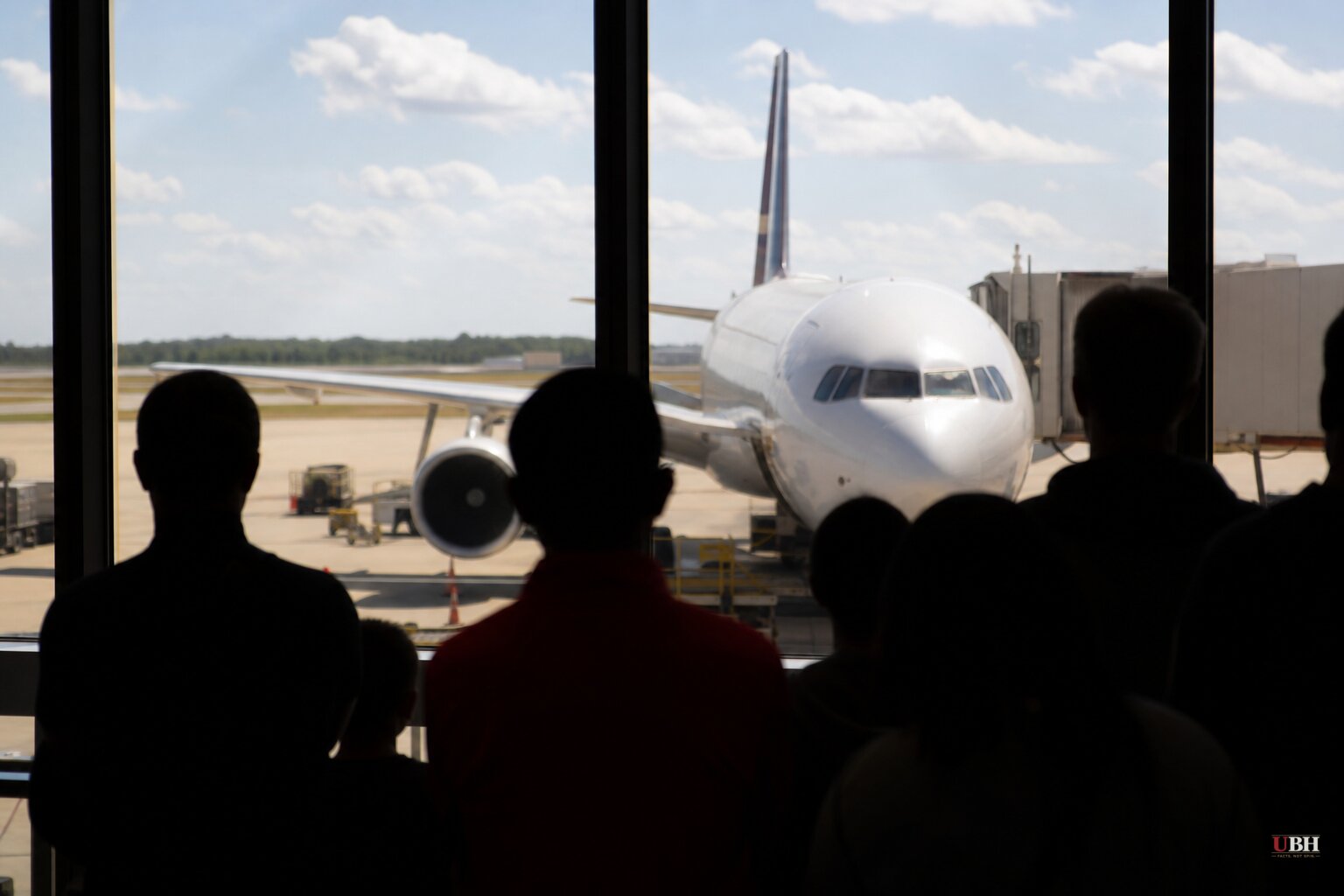
Since the Supreme Court's June ruling in Noem v. Doe let the Trump administration end Temporary Protected Status for Haiti, ICE has sent at least two deportation flights to Port-au-Prince, the first carrying 162 people on August 20. Tom Homan went on CNN's "State of the Union" Sunday to defend the policy, and to deny that British commentator Milo Yiannopoulos got special treatment when he was deported just one day after his August 27 arrest.
Homan on Haiti: 'I don't know the conditions'
CNN's Dana Bash pressed Homan repeatedly on why the administration is deporting people to a country the State Department itself lists at Level 4, its highest "Do Not Travel" warning, citing crime, kidnapping, terrorism and unrest. The United Nations estimated at least 47 people were killed and 22 injured in a gang raid near Port-au-Prince the week before Homan's interview, according to Politico.
Bash also noted that Ambassador Jennifer Locetta, the Trump administration's own emissary to the UN for political affairs, had called conditions in Haiti "dire" days earlier.
Homan didn't dispute any of that. He said instead that he simply doesn't know. "I don't know the conditions in Haiti. I've never been to Haiti," he told Bash, according to The Independent and Politico. "But look, the judge made a decision, and they need to go home. We're just enforcing the law, and we're doing it in a way that the American people voted for."
Homan also argued TPS has been abused as a permanent status rather than the temporary one Congress created in 1990. "As long as I've been around for over 40 years, it seems like it's never temporary," he said. "It gets extended and extended and extended."
Haiti was first designated for TPS in 2010 after the earthquake and has been renewed repeatedly since. The Supreme Court's 6-3 ruling in June gave the administration legal authority to end it for Haiti, Syria and, by the same reasoning, roughly a dozen other countries including Afghanistan, Venezuela and Honduras.
The counter-argument: sending people into a warzone
The strongest objection here isn't about legal authority. Nobody disputes the Supreme Court's ruling or that ICE has final removal orders to execute. The objection is that the government is deporting people to a country its own diplomats and its own travel advisory describe as too dangerous for Americans to enter, without much public accounting for what happens to them after landing. Bash's line of questioning reflected that concern directly. Homan's answer, that he isn't familiar with conditions there and it's a question for DHS, didn't really engage with it.
Who was actually on the plane
DHS pushed back hard on the humanitarian framing by publicizing the criminal histories of specific deportees. According to DHS records cited by Breitbart, the Daily Wire and the Epoch Times, the August 20 flight included Zoe Pound gang member McGuyverson Jetin, convicted of four counts of lewd or lascivious battery against a victim between 12 and 15 plus sexual battery, who had a final removal order dating to 2018 but remained in the country for eight years. Also aboard: Bermann Desty, convicted of unlawful sexual activity with a minor; Wilbur Senat, convicted of sexual exploitation of a minor; and 88 Crush Mob gang member Davidson Athis, convicted of first-degree assault. DHS Secretary Kristi Noem said the flight carried "dangerous criminals including pedophiles, gang members, drug traffickers, and violent assailants."
Two of those men, Modeler Hyppolite and Morel Bain, entered the country illegally in 2024 and were released under the Biden administration before later receiving removal orders, according to DHS. A DHS spokesperson told the Epoch Times that people facing removal can still take a $2,600 payment and a free flight to self-deport rather than wait for ICE.
Yiannopoulos and the preferential-treatment question
On the same broadcast, Homan denied that Yiannopoulos's rapid deportation, one day after his arrest at a New Orleans airport, amounted to special treatment. Homan said Yiannopoulos was issued a final removal order on July 22 after missing an immigration hearing, and that ICE now tries to move everyone with a final order out fast rather than holding them in detention. "As soon as we get an order removal, our goal is to remove them as quick as possible, regardless of who they are," Homan said, according to The Guardian. "Get them out quick. Open those beds up for more detainees."
Asked whether right-wing activist Laura Loomer tipped off ICE, as she has claimed, Homan said "a lot of people" call ICE with tips and that Loomer "probably was" one of them, but that it didn't change the legal basis for the removal.
Whether the speed of Yiannopoulos's case, compared with the monthslong detentions common for other deportees with final orders, reflects a genuine new efficiency push at DHS or something narrower to his case remains unclear. DHS has not released data on how many other individuals with final removal orders were deported within 24 hours of arrest over the same period, which would be the clearest way to test Homan's claim.
Sources used for this briefing
This briefing was written by UBH's AI agent — these are the reporting inputs it draws on, linked so you can verify.


