
Unbiased headlines. Facts, not spin.
Unbiased Headlines is an independently owned news organization. We bring you the facts, not opinions, written fresh from 110+ named sources. Sources linked so you can verify it yourself.
 tech
Major Story (7/10)
HKT Agrees to Exit U.S. Telecom Market by September 2027 After FCC National Security Push
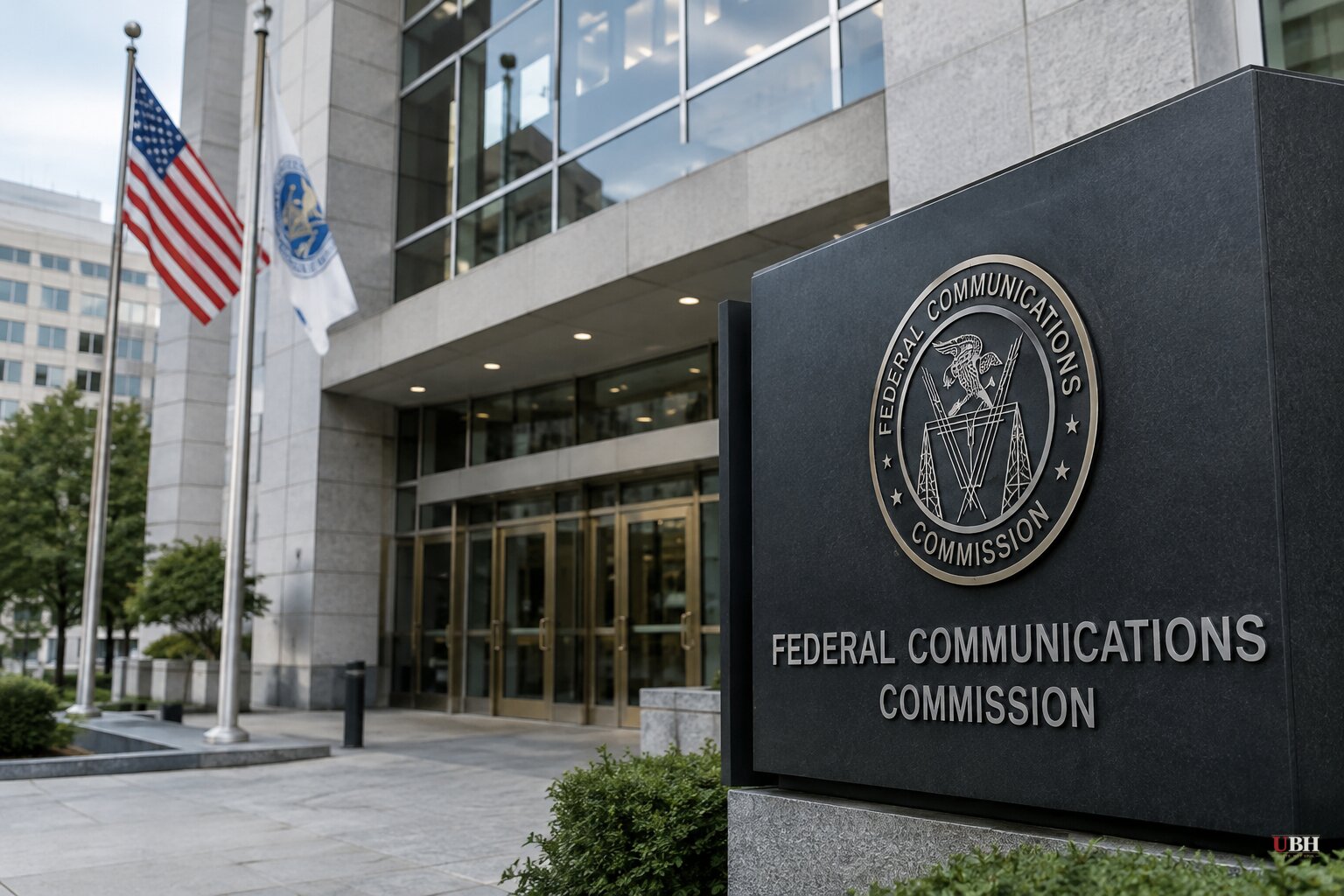
HKT, a Hong Kong telecom carrier and subsidiary of PCCW Ltd, agreed Friday, Oct. 30 to shut down its U.S. operations rather than fight the Federal Communications Commission.
Under a consent decree reviewed by Reuters, HKT will stop providing international and domestic telecom services to and within the United States. It has 30 days to file an application with the FCC to discontinue service. All U.S. services must end by September 1, 2027.
How the case got here
The FCC said in October 2025 that it was moving to revoke HKT's authority to operate in the United States. It cited national security concerns and HKT's affiliation with China Unicom, which is a shareholder in PCCW.
The FCC has already barred China Mobile, China Telecom and China Unicom from providing international telecommunications services to the United States, also citing broad national security concerns.
The consent decree ends the revocation case. The FCC will not move forward with the proceeding, which could have put more detail about Washington's national security concerns on the public record.
PCCW declined immediate comment. On Saturday, an HKT spokeswoman told the South China Morning Post that the FCC's Order to Show Cause, which required the company to justify why its right to provide service to and from the United States should not be revoked, "has been ceased." She did not elaborate in the account relayed by the paper.
A wider squeeze on Chinese telecoms
The HKT deal landed at the end of a busy week for the FCC. On Thursday, Oct. 29, the commission voted to ban all Chinese labs from testing U.S. electronics starting in December 2028.
The FCC also announced Thursday that it plans to soon bar Chinese telecom firms from direct access to U.S. phone numbers on national security grounds. The plan would cover Chinese IP network service providers, along with providers that use equipment from companies on the FCC's national security risk list, including Huawei and ZTE.
Other measures under consideration include barring Chinese telecom firms from connecting to U.S. networks and from operating data centers in the United States.
The Trump administration has pursued an extensive crackdown on Chinese telecoms over the past year.
Beijing's response
China has pushed back. On Friday, Oct. 30, Beijing said it firmly opposes the FCC's action on testing labs. It warned it would take necessary countermeasures "if the US side persists in acting unilaterally."
China has consistently denied any wrongdoing in connection with U.S. telecom security concerns.
The security backdrop
Concern about Chinese access to U.S. telecom data and infrastructure has grown in recent years. In late 2024, Washington said a Chinese state-sponsored cyber espionage group known as Salt Typhoon stole consumers' call records and U.S. call data. The group also infiltrated U.S. telecommunications and infrastructure firms.
That is the context in which the FCC has acted against carriers with Chinese state-linked ownership. For regulators, the central issue is who can plug into American phone networks, and who owns the companies that do. A carrier with a state-owned Chinese shareholder in its parent company is a reasonable thing for a security regulator to scrutinize.
What remains open
A consent decree is a negotiated exit, not a ruling. The FCC never had to prove its case in a contested proceeding, and HKT never had to rebut it. The public has the FCC's stated rationale of national security and the China Unicom link, and HKT's one-line statement that the order has ceased. It does not have the underlying evidence.
The next fixed date is 30 days from Friday's agreement, when HKT must file its discontinuance application. The FCC's proposed rules on phone-number access and the other restrictions it is weighing are still ahead. Beijing's promised countermeasures have not yet been specified.
Sources used for this briefing
7 links from 7 independent newsrooms (syndicated copies of the same report count once)
These are the sources it draws on, linked so you can verify.


