
Unbiased headlines. Facts, not spin.
Unbiased Headlines is an independently owned news organization. We bring you the facts, not opinions, written fresh from 110+ named sources. Sources linked so you can verify it yourself.
 health
Major Story (7/10)
HHS Posts Draft Policy Letting Pharmacies Compound Six Unapproved Peptides; Most FDA Scientists Opposed, AP Sources Say
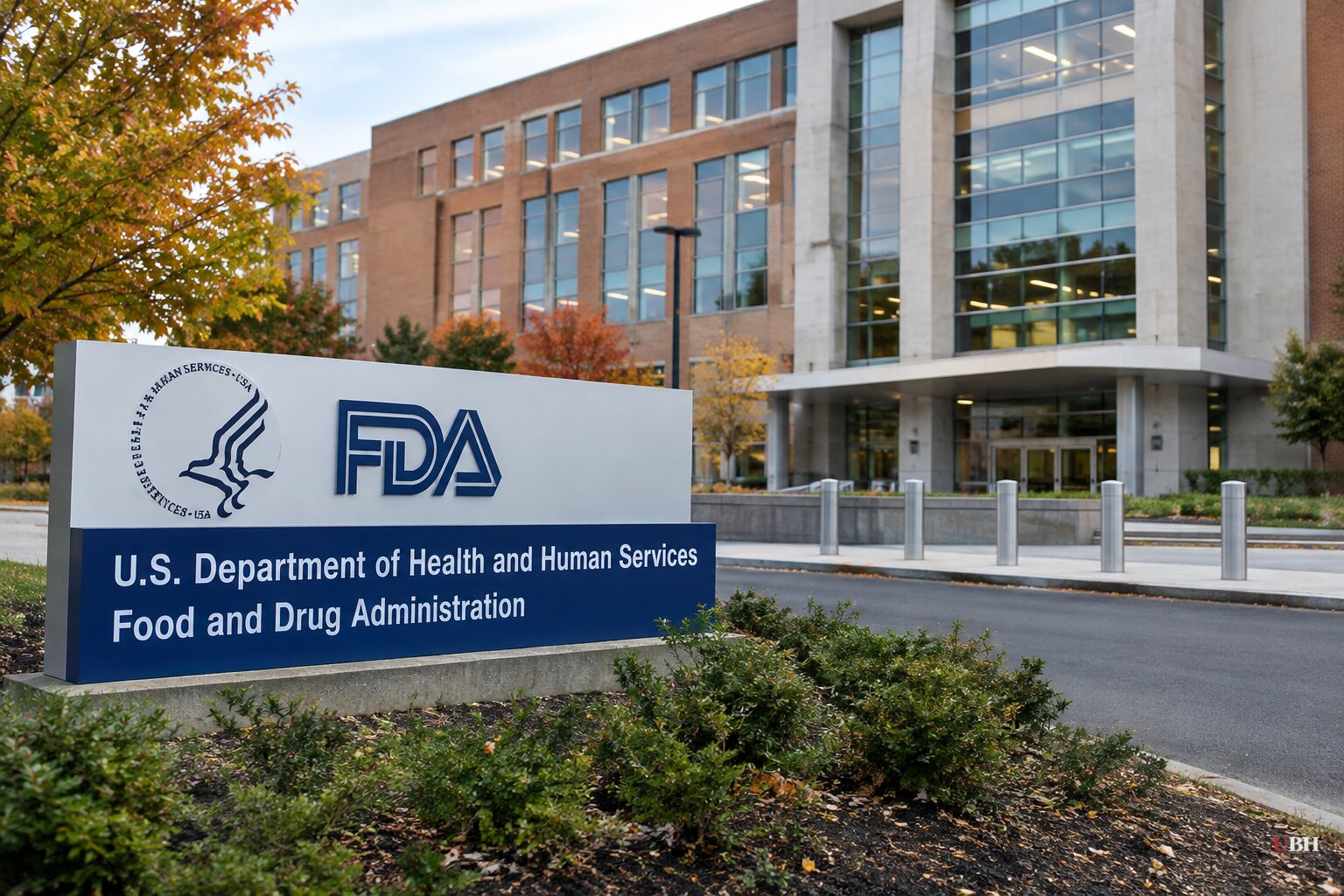
Since an FDA advisory panel voted in July to recommend six wellness peptides for compounding, the agency has issued no final ruling. On Wednesday, Oct. 28, the Department of Health and Human Services skipped that step.
HHS posted a draft "Enforcement Discretion Policy Regarding 503A Compounding Using Certain Peptide Bulk Drug Substances." It says the government will not take action against a state-licensed pharmacy, federal facility or licensed physician compounding a drug product with BPC-157, Epitalon, KPV, MOTS-c, Semax or TB-500. The government will take comments for two weeks.
What the policy does and does not do
The policy does not approve anything. An HHS spokesperson said so directly: "The policy does not grant FDA approval or establish clinical safety and effectiveness."
It also does not change the legal status of the peptides. It tells the agency to look the other way when compounders meet conditions.
Those conditions, per the draft and HHS's statement, include:
- Patient-specific prescriptions.
- Ingredients from an FDA-registered manufacturer.
- A lab certificate for the raw ingredients.
- Quality testing.
- Reporting of serious side effects.
The draft says the agency may revisit the policy if it produces new safety signals or product-quality problems.
Kennedy wrote that limited compounding "under appropriate safeguards" gives patients "a more controlled alternative" to the gray market. He said the policy "advances patient choice and freedom while appropriately protecting patient safety."
How the FDA fits in
In July, the FDA's Pharmacy Compounding Advisory Committee voted to put six of seven peptides under review on the Section 503A bulks list. The seventh, Emideltide, did not make it. The vote is not binding, and the FDA has not acted on it. The same panel vote went against the recommendation of the FDA's own scientists, who said the evidence on safety and effectiveness was insufficient.
The Associated Press, citing six people familiar with the policy's development who spoke anonymously, reported that most FDA scientific staff opposed it and had limited input. According to those people, HHS first wanted the FDA to write a formal regulation adding the peptides to the bulks list. FDA officials warned that agency scientists had major safety concerns and would not back such a rule. HHS then switched to enforcement discretion.
The AP's sources said FDA staff did later provide technical help, including guardrails meant to improve safety. HHS did not immediately respond to the AP's request for comment on those accounts.
Who is for it and who is against it
Kennedy has called himself a "big fan" of peptides and has said he used BPC-157 for a muscle injury.
Scott Brunner, CEO of the Alliance for Pharmacy Compounding, said his group is pleased and called the move a "more accountable alternative" to unregulated sources. Lee Rosebush of the American Academy of Peptide Medicine called it "a huge step for patient and provider medical freedom." That group is not a medical professional organization. It represents people who prescribe or sell peptides.
Willie Underwood III, president of the American Medical Association, criticized the shift. He said the peptides have not undergone the rigorous testing required of FDA-approved drugs.
HHS's own explainer concedes the core objection. It says compounded drugs are not FDA-approved, "which means FDA does not review their safety, effectiveness, or quality before they are marketed." It also says there is "significant interest in the use of these peptides in compounding."
Supply limits and money
Demand may outrun what the policy allows. It covers only small 503A compounding pharmacies, not the larger 503B outsourcing facilities that make medicines in volume.
Joshua Fritzler, president of Olympia and Wesley Pharmaceuticals in central Florida, said his company had avoided these peptides because they were illegal to compound. It will likely compound only one of the six, and only in small quantities. "We won't be able to meet demand," he said, adding that he doubts all the 503A pharmacies in the country could.
There is a market behind that demand. Wall Street analysts estimate it could exceed $2 billion. Telehealth provider Hims & Hers has announced plans to offer wellness peptides once the government changed its policy.
HHS says the existing alternative is worse. People already buy these compounds online under "research use only" labels or from foreign suppliers, often with unscreened ingredients.
What comes next
The comment period runs two weeks from the posting. After that, HHS decides whether to finalize the policy as written.
The FDA still has not said whether it will accept the advisory panel's recommendation and add the peptides to the 503A bulks list. Until it does, enforcement discretion is the only thing standing between these compounders and the existing ban, and HHS has said it can pull it back.
Sources used for this briefing
7 links from 7 independent newsrooms (syndicated copies of the same report count once)
These are the sources it draws on, linked so you can verify.


