
Unbiased headlines. Facts, not spin.
Unbiased Headlines is an independently owned news organization. We bring you the facts, not opinions, written fresh from 110+ named sources. Sources linked so you can verify it yourself.
 health
Major Story (7/10)
Event date: October 16, 2026 ·
HHS Peptide Policy Would Tell FDA to Hold Off on Pharmacies Selling BPC-157; Six People Say Most FDA Scientists Objected
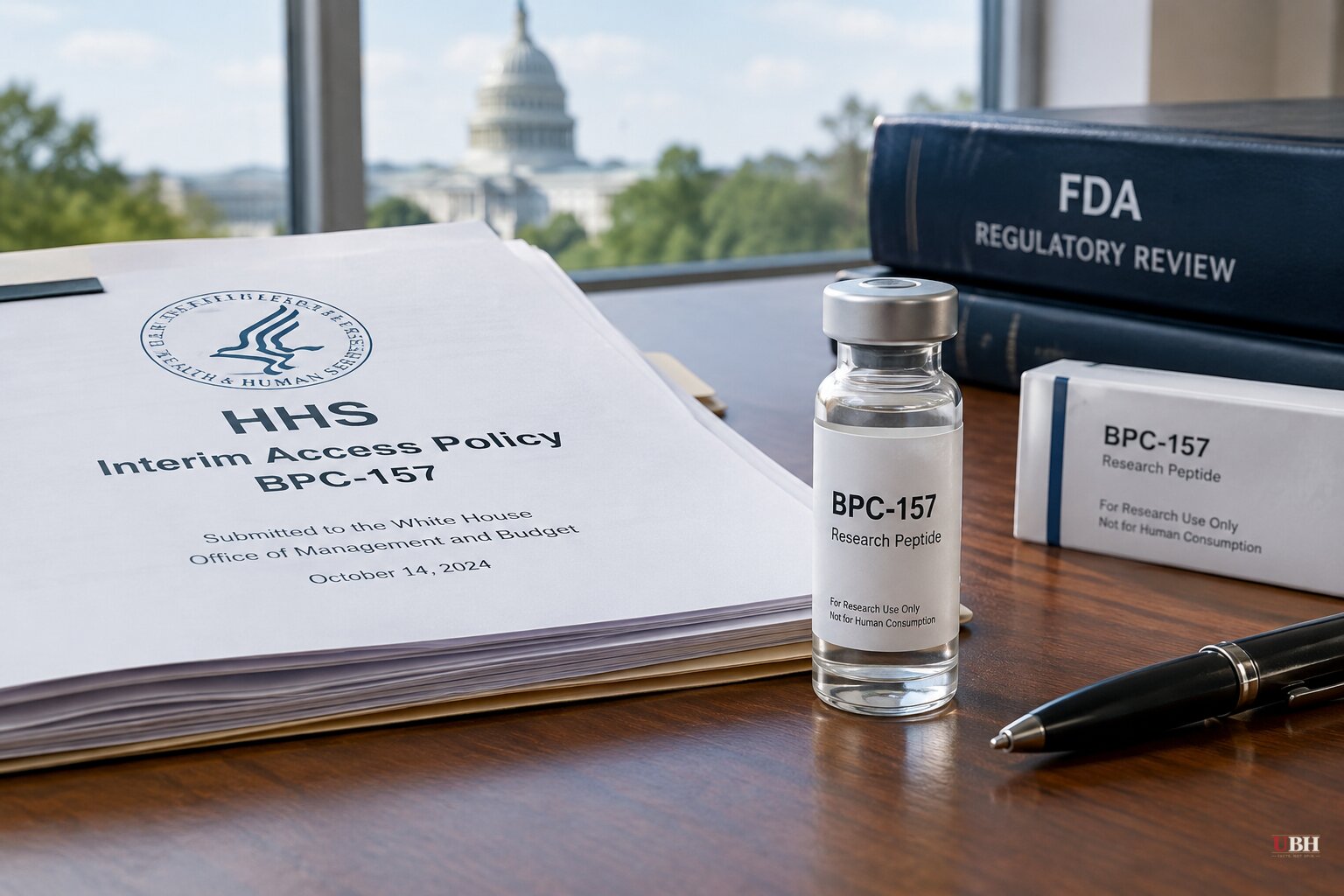
Since HHS sent its "Interim Access Policy for Compounding Using Certain Peptides" to the White House Office of Management and Budget on Oct. 14, the contents and the internal fight behind it have started to come into view.
The policy directs the FDA not to take enforcement action against specialty pharmacies that compound and sell about a half-dozen wellness peptides, including BPC-157, TB-500 and KPV. Under current FDA rules, those substances are treated as illegal drugs because they have not gone through the agency's review for safety and effectiveness.
The government posted news of the OMB submission on Oct. 15. OMB reviews rules with potentially significant economic impact. HHS has not responded to requests for comment on the plan.
What the policy does, and what it replaced
The approach is not what HHS first wanted, according to two of six people familiar with the development who spoke to The Associated Press on condition of anonymity. HHS officials initially asked the FDA to write a formal regulation adding BPC-157 and other peptides to the list of substances pharmacies can compound.
FDA officials told HHS their scientific staff had major safety concerns and would not support a rule deeming the substances safe, those sources said. HHS then moved to enforcement discretion, which tells the FDA to stand down rather than declares anything safe. FDA staff ultimately gave technical help drafting it, including guardrails, according to the same account.
All six sources said the effort was driven almost entirely by HHS. They said most FDA drug scientists opposed it and warned it could undermine the agency's mission of keeping unproven products off the market. Two of the people said the intent is to let pharmacies temporarily compound some of the most popular peptides.
The FDA's own record on these peptides
In September 2023, the FDA restricted compounding of these same peptides, citing "significant safety risks." The agency has listed contamination, allergic reactions and tumor growth as possible risks. Most of the existing data on peptides like BPC-157 comes from animal studies, and the uses people want them for are not FDA-approved.
The FDA's Pharmacy Compounding Advisory Committee met July 23-24 to consider seven peptides: BPC-157, KPV, TB-500, MOTs-C, emideltide, semax and epitalon. FDA staff briefs concluded that none could be sufficiently characterized, and many lacked thorough safety and efficacy data. The committee still voted to add six of the seven to the compounding list. Those votes are recommendations and do not change the rules on their own.
The Center for Science in the Public Interest says the committee's makeup shaped that result. In a JAMA Viewpoint, three CSPI authors, including former FDA associate commissioner Dr. Peter Lurie, wrote that HHS appointed eight new permanent members in April and May after the panel had fallen to four members. According to CSPI, FDA officials raised conflict-of-interest concerns because most of the new members were tied to peptide businesses or clinics, and every favorable vote came from those new members. CSPI argues that following the committee's advice would expose the public to unproven drugs and threaten the integrity of the advisory system.
Kennedy's case
Kennedy has called himself a "big fan" of peptides and recently described using BPC-157 for a muscle injury. He argues the 2023 restriction was illegal because regulators are not supposed to bar compounding absent an identified safety signal, and he says none was identified.
On Fox News' "The Will Cain Show" on Oct. 20, he said, "Americans are going to be buying these anyway." He said the administration wants a regulated marketplace where buyers get what sellers claim and factories are inspected. He has previously pointed to "gray market" peptides made in China and elsewhere, which remain widely sold through online platforms including TikTok.
The libertarian magazine Reason makes the same argument in an editorial, saying pharmacy supply gives consumers a better chance of knowing what they are getting and holds suppliers accountable. It also notes the FDA's July assessments describe substantial gaps in the human evidence.
There is a line the policy does not cross. The FDA says retatrutide, a still-experimental weight-loss peptide that some sellers already market, cannot be used in compounding under current federal law.
What is still open
The policy text has not completed OMB review, and HHS has not said when it would take effect. The FDA has also not announced a decision on the advisory committee's six recommendations, which CSPI is urging it to reject. Whether the agency's career scientists, who the six sources say opposed the plan, will be asked to enforce the guardrails they helped write is the next test.
Sources used for this briefing
6 links from 6 independent newsrooms (syndicated copies of the same report count once)
These are the sources it draws on, linked so you can verify.


