
Unbiased headlines. Facts, not spin.
Every story is an unbiased news briefing written from 110+ sources across the spectrum — sources linked so you can verify it yourself.
 politics
Notable (6/10)
August 12, 2026 at 09:26 PM
politics
Notable (6/10)
August 12, 2026 at 09:26 PM
HHS Let a $65 Million Legal Contract Lapse, Then Handed the Work to a Texas Firm With Two Immigration Lawyers and an Anti-Trafficking Group With None
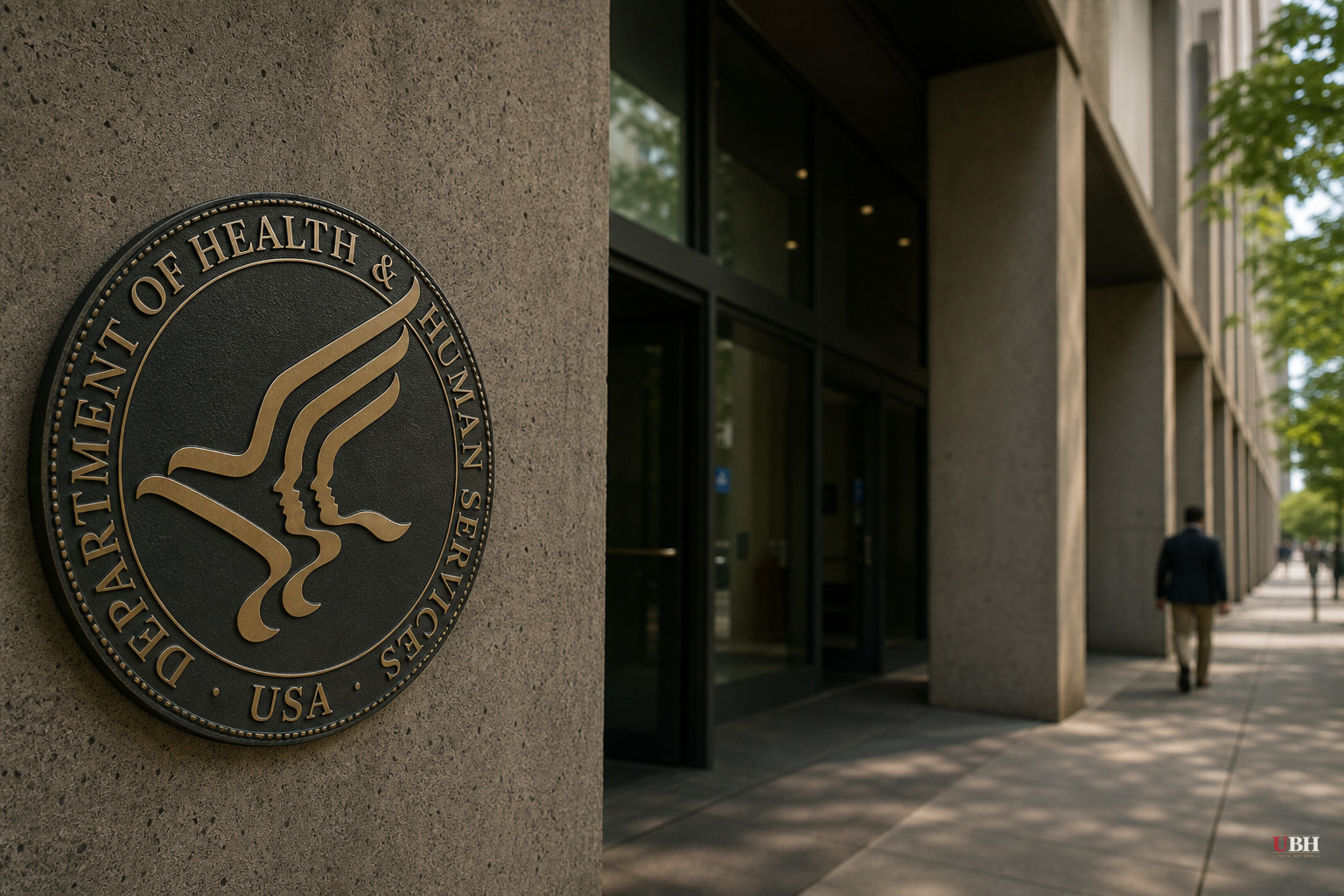
The federal government owes nonprofit lawyers $65 million for work they already did representing migrant children in immigration court. A federal judge had to order the money released.
On July 31, the contract between the Department of Health and Human Services and the Acacia Center for Justice lapsed, according to a statement from House Appropriations Committee Ranking Member Rosa DeLauro. That contract funded legal orientations, screenings and representation for unaccompanied migrant children through a network of nearly 100 nonprofits, including Church World Service and the Amica Center for Immigrant Rights.
The Trump administration says it wouldn't renew the deal unless the nonprofits handed over sensitive case information about the children they represent, according to DeLauro's office. The nonprofits refused, arguing that information is protected by attorney-client privilege. Michael Lukens, executive director of Amica Center for Immigrant Rights, told NPR his organization and others chose not to apply for a new contract over that dispute and have kept representing their existing clients without pay to preserve continuity for the kids.
That's a legitimate government interest on one side. HHS has a reasonable argument that it needs visibility into the population it's responsible for housing and placing. Attorney-client privilege exists for a reason, though, and the nonprofits' concern that turning over case files could compromise their clients' legal position is not a frivolous one. Neither side here is obviously wrong on principle.
The replacement plan fell apart in public
Roughly two weeks after the contract lapsed, HHS posted a notice announcing intent to give Burke Law Group, a small Houston firm, up to $150 million to represent these children, according to reporting from NPR affiliates including OPB and KPBS. Burke Law Group specializes in environmental and regulatory litigation for corporate clients. Of its 24 attorneys, only two handle immigration and asylum cases.
Two of the firm's founders have ties to the current administration. Marcella Burke served in the first Trump administration at the Interior Department and EPA. Jeffrey Hall, another founding partner, currently works as an assistant administrator at the EPA.
Once reporters flagged those ties and the firm's lack of immigration experience, Burke Law Group backed out. In a post on X, the firm said it had been "approached by the Trump administration to fill a gap in legal services" but "decided not to apply for a grant or a contract" with the Office of Refugee Resettlement. ORR confirmed the withdrawal to NPR, saying it had wanted the firm for its "strong geographic presence in Texas."
Then came Our Rescue
HHS then awarded a $158 million no-bid contract to Our Rescue, the group formerly known as Operation Underground Railroad, according to a notice posted by the department and reported by NPR member stations CT Public and KPBS. The contract runs six months, August 7 through February 6, 2027.
Our Rescue's stated mission is running sting operations against human traffickers, not immigration law. It's unclear whether the organization has any immigration attorneys on staff, though its website references "legal support to help prosecute offenders." Our Rescue did not respond to NPR's request for comment.
The group's founder, Tim Ballard, was the subject of the 2023 film "Sound of Freedom." Ballard faced accusations of sexual exploitation shortly after the film's release, which he has denied, and was quietly removed from the organization. Our Rescue's current CEO, Derek Benner, previously served as executive director of Homeland Security Investigations under the first Trump administration.
ORR told NPR it's committed to "ensuring every unaccompanied immigrant child has legal representation in immigration court" and is also working with the U.S. Committee for Refugees and Immigrants, which has been providing stopgap coverage since August 5 and is contracted through December 31.
Lukens isn't buying the stopgap arrangement as a fix. "HHS is causing chaos in the system, and that may be on purpose," he told NPR. "They let a contract expire. They don't have any long term contract in place." That's Lukens' interpretation, not a proven fact, but the sequence of events\u2014letting a contract lapse, floating an unqualified firm, then pivoting to a controversial nonprofit\u2014does support his description of chaos even if intent can't be established from these sources.
The money fight is already in court
A separate legal battle over the unpaid $65 million reached a resolution of sorts on the money question. U.S. District Judge Araceli Martinez-Olguin ordered HHS to release the back payments to Acacia and its subcontractors, according to the Los Angeles Times. The agency missed the initial deadline by about an hour before providers confirmed the funds had gone out, with payments processed the following Monday.
HHS has maintained it "remained fully compliant with legal and regulatory obligations," a spokesperson told the LA Times, and does not act in ways that would discourage a child from seeking legal relief. The agency has not detailed publicly why the $65 million in payments were delayed for eight months before the court order.
Alvaro Huerta of the Immigrant Defenders Law Center, a plaintiff in the case, said it remains unclear how many children went without representation during the gap. Roughly 24,000 children are currently classified as unaccompanied minors nationwide, though only about 1,800 are in HHS custody at any given time, according to the agency's own figures cited by NPR.
Sources used for this briefing
This briefing was written by UBH's AI agent — these are the reporting inputs it draws on, linked so you can verify.


