
Unbiased headlines. Facts, not spin.
Unbiased Headlines is an independently owned news organization. We bring you the facts, not opinions, written fresh from 110+ named sources. Sources linked so you can verify it yourself.
 politics
Major Story (8/10)
Hassett Says Data Center Build-Out Will Continue After Midterms as Democrats Prepare January AI Bills
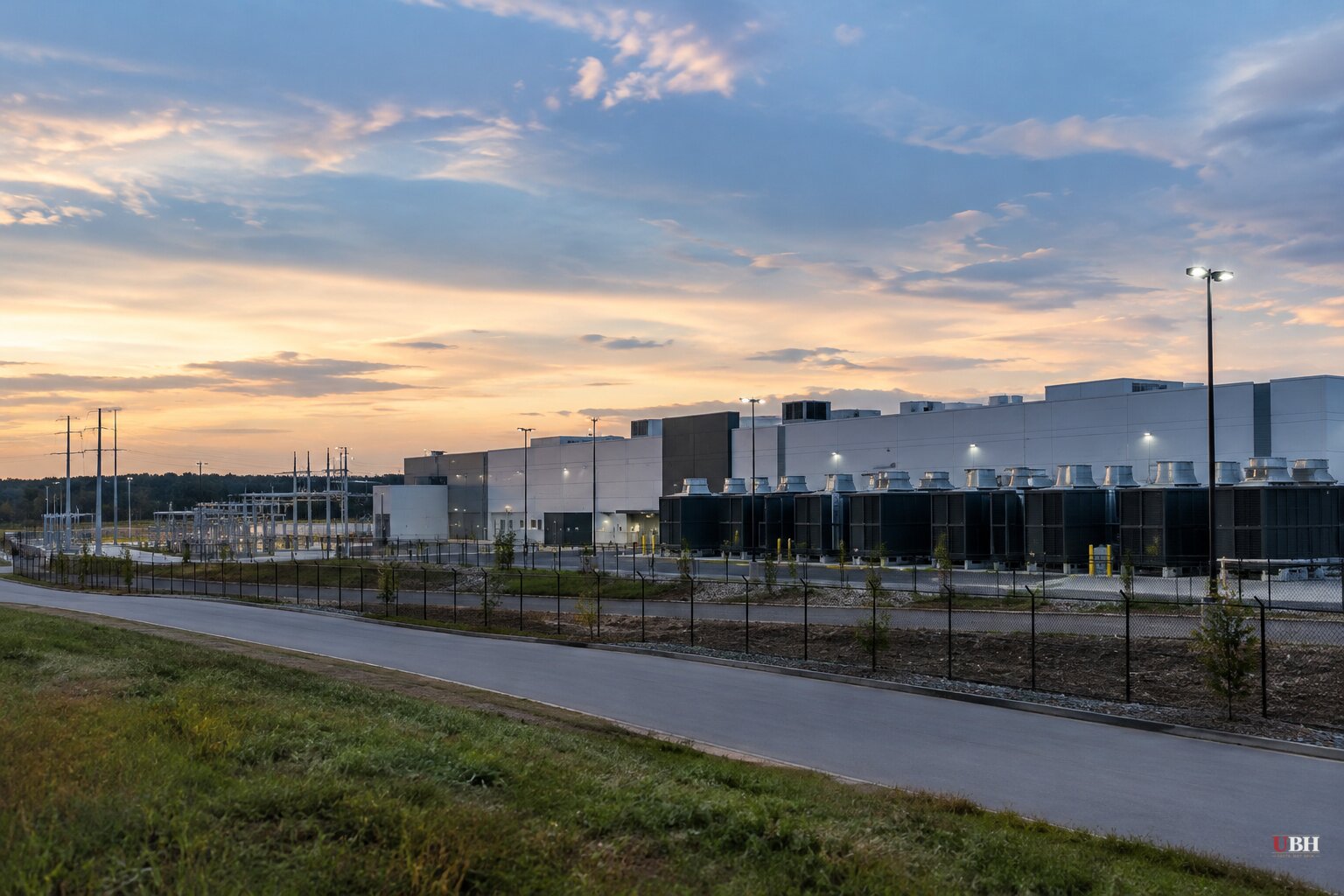
National Economic Council Director Kevin Hassett said on CNBC today, Nov. 6, that the data center build-out will go on as projected. That is his answer to an election in which voters backed limits on the facilities by wide margins.
"We respect the localities that decide that's what they want to do," Hassett said. "But America is a big place, and right now, the data centers scheduled over the next couple of years aren't affected by these ballot initiatives."
He added that "there's plenty of room in the U.S. for data center growth to continue, as it was projected ahead of the election."
The administration's response
Hassett expects growth to concentrate in states with friendlier governors. He also predicted that hostile states will eventually reverse course once "the benefits of the data centers will be so obvious that people decide to change their minds."
Trump posted on Truth Social the same day: "As President, I am 100% in favor of Super Intelligence (SI), and will work with the many States in the U.S. that want to become RICH by having them." He added that the facilities are "GOLD." He offered no details on what that work would involve.
Hassett blamed Thursday's tech-driven market plunge on "uncertainty about what the political change is going to mean for data centers going forward." He said a growing sector could be slowed "a little bit" and "you still have a blockbuster economy."
Reuters, citing market conditions, put a second cause on the table: fears that the massive capital spending on AI won't produce sufficient returns. Technology shares sold off sharply Thursday, and stocks extended their slide in Europe and Asia on Friday.
What voters actually did
In at least 46 of roughly 50 data center ballot initiatives this year, majorities voted to restrict development, according to Ballotpedia's tally. Ohio had the most, with 21 data center questions across 18 communities.
The CNBC Voter Poll found 56% of midterm voters called data centers a crucial or major issue. Among those who called it crucial, 62% favored the generic Democratic candidate.
Texas is the biggest exposure. Democrat Gina Hinojosa won the governor's race after campaigning on a moratorium on new data center construction until the legislature addresses strain on water, electricity, air quality and property rights.
Investment bank Jefferies estimates 13.3 gigawatts of announced Texas projects, out of at least 248 planned, could be at risk. Axios reported that SemiAnalysis expects Texas to account for 41% of new U.S. data center capacity coming online in 2028. Most 2027 projects are already under construction, but a hold lasting more than six months would cause extended delays.
Alpha Compute CEO Brittany Kaiser said the results make her company and its investors "pause and think if we should be investing somewhere else." She argued for "common-sense regulations, not sweeping bans or moratoriums."
Brad Carson, co-founder of Americans for Responsible Innovation, read the results the other way. "What we just witnessed was an AI earthquake," he said. "Voters just sent a clear message that they want rules for AI and data centers."
The January legislative agenda
Democrats are preparing a long list of bills for when they take control of Congress in January, lawmakers, congressional aides and advocates told Reuters. The agenda has three parts:
- Shielding consumers from data center-linked electricity costs.
- Requiring independent testing of advanced AI systems.
- Clarifying when AI companies can be held liable for harm.
Sen. Chuck Schumer, expected to become Senate Majority Leader, made energy-cost protections a stated priority this week. Rep. Lori Trahan is pushing independent model evaluations and clearer liability. Her CLAIM Act discussion draft would create a federal right to sue developers over AI conduct that would be unlawful if a person did it, according to a Foley & Lardner analysis. It is a draft, not law.
Some ideas already cross party lines. Trahan and Republican Rep. Jay Obernolte introduced the FRONTIER Act in July, and a Ratepayer Protection Act is also in circulation.
Oversight may come before legislation. Rep. Greg Casar, chair of the Congressional Progressive Caucus, said this week that AI executives should be called to testify under oath. In October, Rep. Zoe Lofgren and other House Democratic committee leaders asked OpenAI, Anthropic, Meta, Google and SpaceX about their security practices and about cases where AI tools acted in ways their designers did not intend.
The limits
Trump has repeatedly dismissed calls for mandatory AI rules. Overriding a veto takes two-thirds of both chambers, and most bills need 60 Senate votes to beat a filibuster. Foley also points to Democratic disagreements over licensing, liability and taxation.
Raymond James policy researcher Ed Mills told Reuters that Democrats could try attaching AI provisions to must-pass bills such as appropriations and the annual defense authorization.
Taxpayers have a stake here as well. Whoever wins the argument, ratepayers are the ones whose power bills are at issue. Hassett's claim that scheduled projects are insulated rests on construction already underway. It says nothing about the pipeline for 2028 and beyond, which is where the Texas, Ohio, Georgia and Arizona results land.
One structural question is open. House Democrats are reportedly weighing a select committee on AI, which would need a full House vote. Rep. Frank Pallone has reportedly opposed the idea because it would slow the legislative process. Committee leadership won't be settled until the parties organize in January.
Sources used for this briefing
8 links from 7 independent newsrooms (syndicated copies of the same report count once)
These are the sources it draws on, linked so you can verify.


