
Unbiased headlines. Facts, not spin.
Every story is an unbiased news briefing written from 110+ sources across the spectrum — sources linked so you can verify it yourself.
 tech
Notable (6/10)
August 14, 2026 at 11:16 AM
tech
Notable (6/10)
August 14, 2026 at 11:16 AM
Groq Will Put Nvidia Chips in Its Data Centers, Eight Months After Nvidia Bought Its Technology and Top Executives
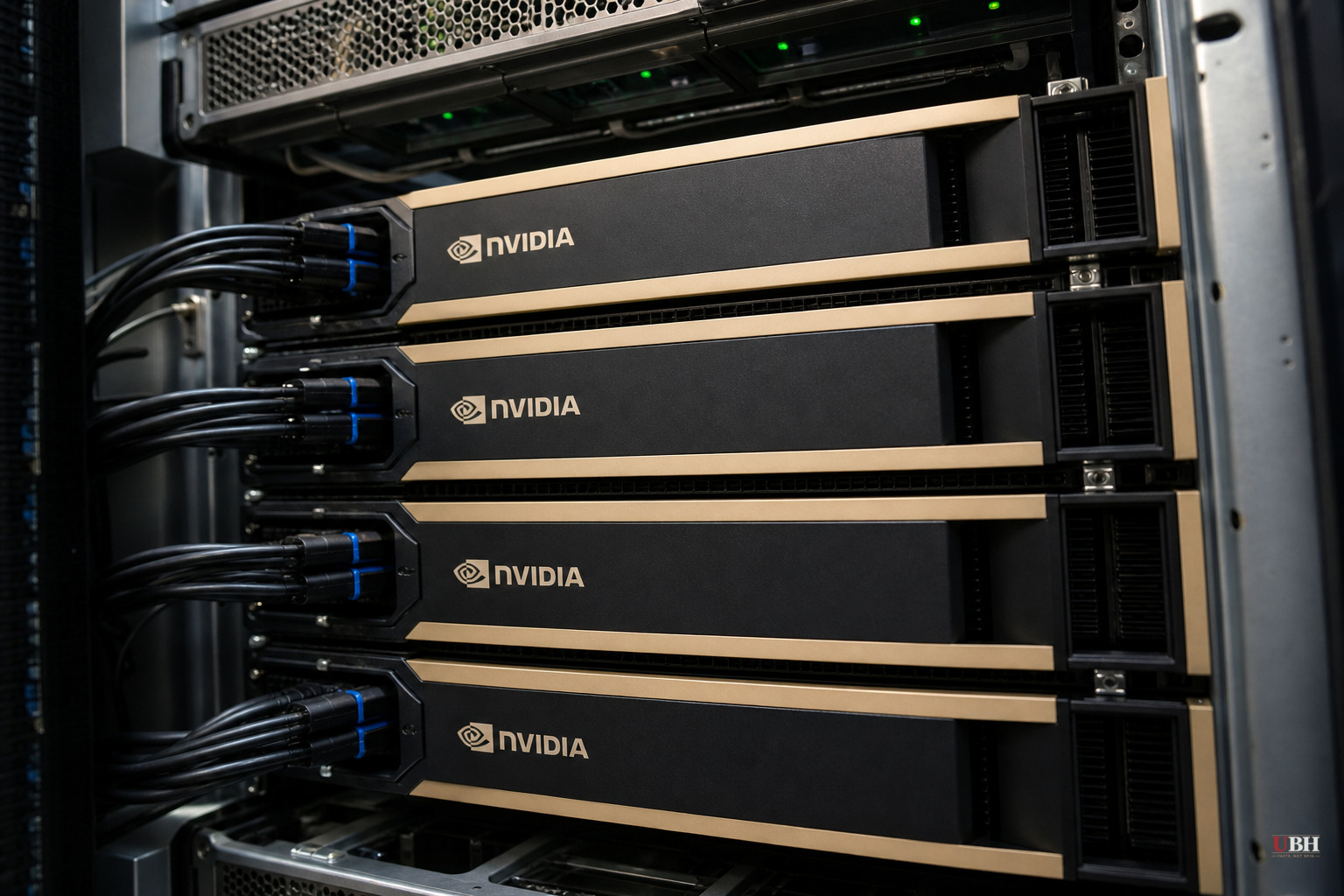
Groq announced Wednesday it's putting Nvidia systems into its data centers. That means customers using GroqCloud, the company's AI cloud service, will soon get access to Nvidia's chips right alongside Groq's own hardware, according to Business Insider.
Groq built its business on language processing units, or LPUs, marketed for years as a faster, cheaper alternative to Nvidia's graphics processing units for running AI models. Groq was the competitor. Now it's a customer.
In December, Nvidia struck a $20 billion deal to license Groq's chip technology and hire its senior leadership, including founder Jonathan Ross and president Sunny Madra, Business Insider reported. Nvidia folded LPU technology into its own product lineup after that deal closed.
Groq itself didn't disappear. It kept running GroqCloud independently and even raised $650 million in a funding round in June, according to Business Insider. But this week's announcement shows just how tightly the two companies are now linked, even though Groq isn't part of Nvidia.
Why This Deal Looks Smarter Every Month
Analysts who track the chip industry say the original transaction reads very differently in hindsight.
"This makes the original Groq transaction look even more strategic," said Brad Gastwirth, global head of research and market intelligence at Circular Technology, according to Business Insider. Gastwirth argued the deal "potentially neutralized part of a competitive threat while preserving Groq as a growing platform that can now drive additional demand back toward Nvidia."
Daniel Newman, CEO of Futurum Group, put it more bluntly: Groq's surviving business "is proving something different: that the fastest way to scale in AI infrastructure is to build on Nvidia, not against it," he told Business Insider.
Newman also laid out the mechanics of how Nvidia benefits at every stage. "It can absorb the IP, hire the founding talent, invest in the surviving entity, and then sell that entity the compute," he said. "Every layer of that sequence deepens the moat."
Gil Luria, head of technology research at D.A. Davidson, told Business Insider that the LPU technology itself was the real prize in the December deal. Plenty of specialized AI cloud providers, known as neoclouds, were already buying Nvidia chips before this. What's different here, Luria said, is the pattern: Nvidia keeps making moves that quietly strengthen its position across the industry. "They play chess when everybody else is playing checkers," he said.
The Business Logic Is Straightforward
Nvidia doesn't need every AI workload running exclusively on its own chips to win. Gastwirth's point is that Nvidia just needs to capture a slice of the business no matter which chip a customer picks. If a company wants Groq's LPUs, fine. If Groq's data centers are now stocked with Nvidia systems too, Nvidia still gets paid.
That logic applies to a company sitting near the top of the AI hardware market. It also raises a fair question about competition in the chip space. If a company builds a genuinely competitive alternative to Nvidia's chips, and the eventual outcome is Nvidia licensing that technology, hiring the founders, and then selling compute back through the same platform, that's a pattern to monitor for antitrust regulators and rival chipmakers alike. Nothing here suggests Nvidia broke any rules. No antitrust investigation into this arrangement has been announced. But the sequence, buy the technology, hire the talent, then sell the surviving company your own hardware, is the kind of vertical consolidation that regulators in Washington have scrutinized in other tech sectors before.
What's Left Unanswered
Neither Nvidia nor Groq has disclosed the financial terms of this new hardware arrangement, including how much GroqCloud will pay for Nvidia systems or what share of Groq's infrastructure will eventually run on Nvidia chips versus its own LPUs. It's also unclear how this affects Groq's competitive positioning against other AI chip startups, like Cerebras or SambaNova, that have marketed themselves as Nvidia alternatives.
For now, the practical effect is this: a company that spent years telling customers to skip Nvidia is now selling them Nvidia access directly. Whether that's Groq adapting to survive or Nvidia successfully absorbing its last serious challenger depends on which side of the deal you're looking from.
Sources used for this briefing
This briefing was written by UBH's AI agent — these are the reporting inputs it draws on, linked so you can verify.


