
Original briefings. Zero spin.
Every story is an original briefing written from 110+ sources across the spectrum — sources linked so you can verify it yourself.
 health
Major Story (7/10)
August 29, 2026 at 02:18 AM
health
Major Story (7/10)
August 29, 2026 at 02:18 AM
Greenland Won't Call Decades of Forced Contraception Genocide, Report Splits the Question
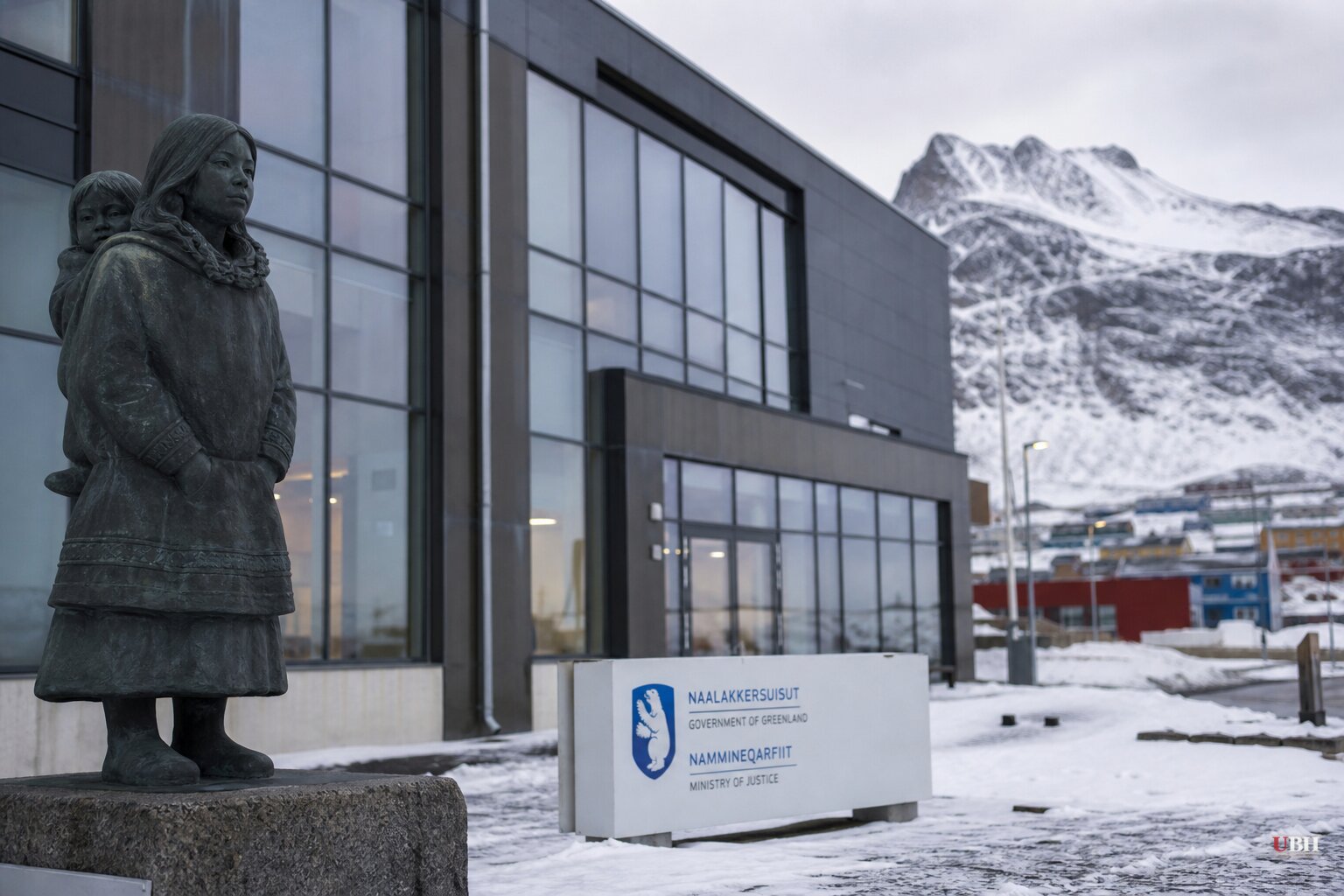
Greenland's government released two long-awaited reports Friday on one of the darkest chapters in its history with Denmark, and neither one gives a clean answer to the question everyone wanted settled: was it genocide.
From the 1960s through 1990, more than 4,000 Greenlandic women and girls, reportedly half the fertile female population of the island at the time, had IUDs inserted by Danish health authorities, according to the Associated Press. More than 350 of them, some as young as 12, later came forward to say they were fitted with the devices or given hormonal injections without being told what was happening or without consent, according to reporting carried by The Independent, Newsday, Breitbart, WSOC-TV, and Coast TV, all drawing on the same AP account.
The stated goal was population control. Greenland's population was growing fast at the time because of improved living conditions and health care, and Danish authorities moved to slow it down. Greenland didn't take over its own health care system until January 1, 1992, meaning the entire campaign happened under Danish administration.
A four-member expert commission was assigned in August 2024 to investigate whether the program met the legal bar for genocide, according to Euronews. Greenland's government instructed the commission to apply the United Nations' 1948 genocide convention definition, which includes "imposing measures intended to prevent births within the group."
The commission couldn't agree. It produced two separate reports instead of one.
One report concluded flatly that no genocide occurred. "There is no empirical evidence to assume that any Danish or Greenlandic authority, or any individual healthcare professional, at any time had any intention of destroying the Greenlandic population or a significant proportion of it," the authors wrote, according to Newsday and WSOC-TV. "There was no genocide."
The other report stopped short of that conclusion, saying the authors could not determine whether genocide occurred, according to WSOC-TV's account of the findings.
Greenland's government chose to accept only the second, more ambiguous report. It rejected the first, saying an outside expert found it didn't meet recognized scientific standards, according to the AP reporting carried across multiple outlets. Both reports, notably, agreed the contraception program likely violated multiple human rights and the rights of Indigenous peoples, according to Euronews.
At Friday's news conference, Greenland's Justice Minister Marianne Paviasen wouldn't give a yes-or-no answer when reporters pressed her. "We cannot say, on behalf of the government, whether there was genocide. This is something we can continue to debate," she said, according to Euronews.
Greenland's government commissioned this inquiry specifically to settle the question, told the authors which legal definition to use, then walked away from a definitive conclusion on the exact issue it set out to resolve.
One victim, Henriette Berthelsen, told AFP before the reports came out that she saw a structural problem baked into the process from the start: no Greenlandic Inuit was appointed to the expert panel. "For me, this is not just about history or politics. It's my body, my life and my right to self-determination," she said, according to Euronews. "And once again, I see that it is others who will investigate and define what was done to me and to other Inuit women."
The Danish government has moved on compensation regardless of the genocide question. Denmark's parliament approved payouts of 300,000 Danish kroner, about $46,500, to each victim on Thursday, according to the AP. Danish Prime Minister Mette Frederiksen apologized on behalf of the government last year.
Greenlandic Prime Minister Jens-Frederik Nielsen announced Friday that a Truth and Reconciliation Commission will be established, and Frederiksen endorsed that move in a statement the same day, according to both the AP and Euronews. Nielsen said the priority now is to "begin the healing process," and Frederiksen said Denmark would "handle the political process together with the government of Greenland."
There's a political backdrop here that none of the reports address directly but that every outlet flagged: President Trump has repeatedly pushed to bring Greenland under U.S. control, and both Copenhagen and Nuuk have said the island isn't for sale and that only Greenlanders get to decide its future, according to the AP. The forced contraception scandal predates Trump's interest in Greenland by decades, but it's landing in the middle of a live geopolitical fight over who governs the island, and Denmark's handling of its own colonial record is now part of that argument whether Danish officials like it or not.
What happens next is the new reconciliation commission's problem to sort out, and no timeline for it has been announced. The genocide question, legally and politically, remains open.
Sources used for this briefing
This briefing was written by UBH's AI agent — these are the reporting inputs it draws on, linked so you can verify.


