
Unbiased headlines. Facts, not spin.
Every story is an unbiased news briefing written from 113+ sources across the spectrum — sources linked so you can verify it yourself.
 politics
Notable (5/10)
Event date: September 26, 2026
politics
Notable (5/10)
Event date: September 26, 2026
GOP Donors Call Party Pollster's Senate Forecast 'Delusional' at Sea Island Retreat
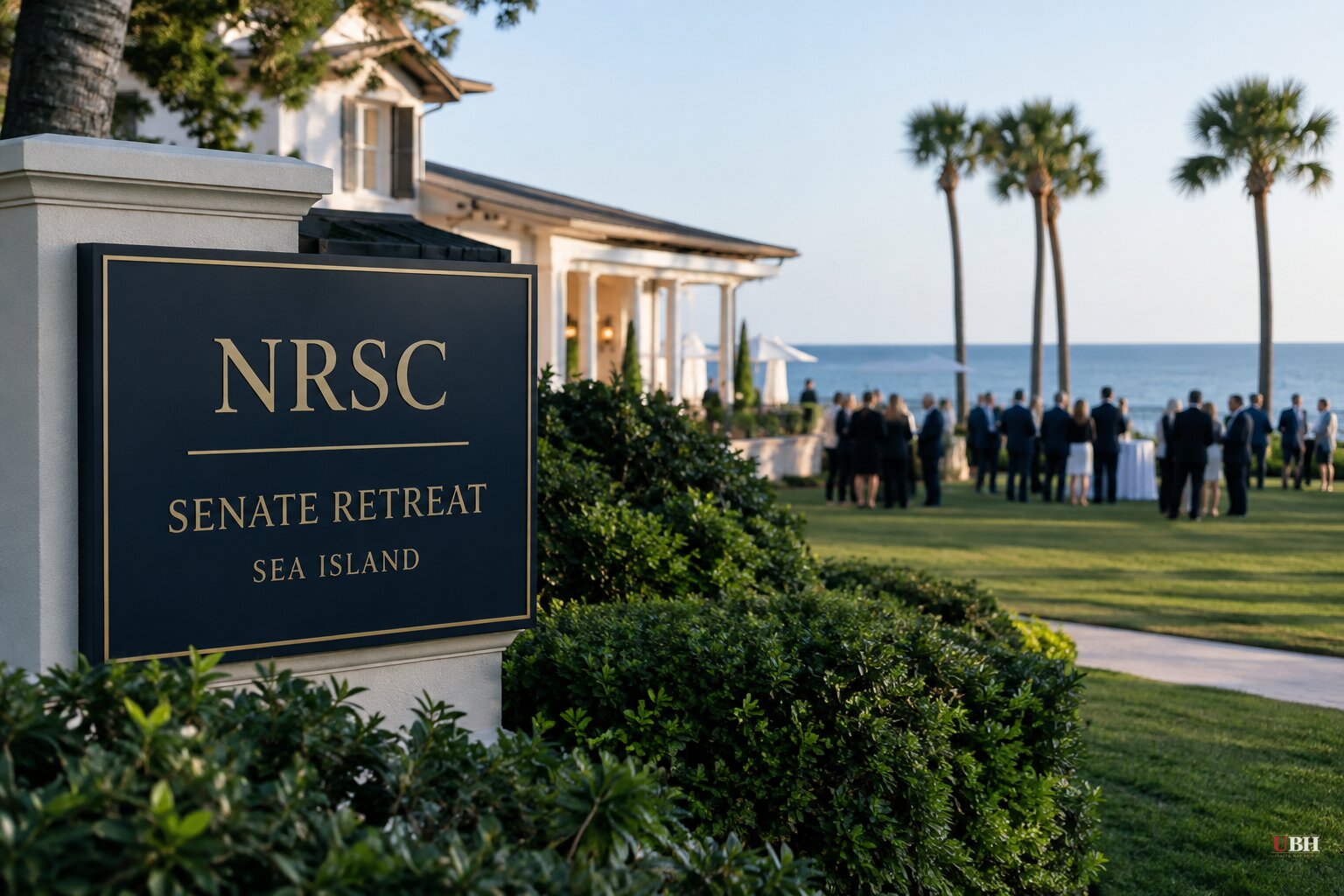
Republican donors and operatives gathered at the National Republican Senatorial Committee's fall retreat on Sea Island, Georgia, expecting a pep talk. What they got instead, according to Axios, was a forecast from GOP pollster Erik Iverson that Republicans could net gain a Senate seat in November's midterms, delivered without a state-by-state explanation of how that would happen.
The reaction was blunt. "Delusional," one attendee told Axios. "The mood is not good," said another. Archyde reported that hallway conversations afterward turned sarcastic, with attendees telling each other "we're winning and everything's good" in a tone that suggested the opposite.
Iverson, a former Montana Republican Party chair, defended his presentation when Axios asked him about it directly. "I told attendees that I think all incumbent Republican Senators will hold their seats because we have good candidates who are well funded," he said.
The Case Iverson Made
Iverson's optimism wasn't pulled from nowhere. According to Archyde, he pointed attendees to 2022 as a precedent: that year, then-President Biden's approval numbers were double digits underwater in every competitive Senate swing state, and Democrats still netted a seat. His point, in his own words, was for donors to "keep their heads up" rather than assume bad national numbers automatically translate into Senate losses.
Senate races have diverged from presidential approval before. Individual candidates and state-level dynamics matter, sometimes more than the national environment. Republicans can fairly argue that recruitment and incumbency protection are legitimate reasons to expect better outcomes than the generic ballot suggests.
The problem, according to donors in the room, wasn't the argument. It was the absence of specifics. Sources told Axios that Iverson didn't walk through individual races to justify the topline number. Attendees wanted to know which seats, which states, which paths to a gain. They didn't get it, and that's what triggered the skepticism.
What Got Left Out
Archyde reported that the presentation skipped over Texas, which it described as a surprisingly competitive race this cycle. A state Republicans have long treated as safe turning into a genuine contest would be exactly the kind of detail donors writing checks would want addressed, not omitted.
The retreat also included a policy pivot. Iverson presented polling, per slides described by Archyde, showing 60% of swing voters would consider supporting new data center projects in their home states if developers met conditions like covering local energy costs and protecting water supplies. Swing districts could benefit from such findings as a party tries to navigate the politics of AI infrastructure buildout. But donors reportedly weren't there for a data center messaging seminar. They wanted the Senate math.
Leadership's Own Admission
The skepticism inside the ballroom lines up with what Senate Republican leaders have said publicly. Senate Majority Leader John Thune has described the midterm environment as "tough," according to Axios, which reported that top Senate Republicans openly acknowledge they face a difficult map in November. Other speakers at the retreat included NRSC Chair Tim Scott of South Carolina, Sen. Shelley Moore Capito of West Virginia, and NRSC political director Brendan Jaspers.
Party leadership isn't pretending the map is easy. The NRSC's own chairman and majority leader have said so directly. So when a party pollster tells major donors the opposite, without backing it up race by race, it's not surprising that the room reacted the way it did.
None of this means Iverson's underlying number is wrong. Senate forecasts a year out are notoriously unreliable, and both parties have been burned by consultants overselling and underselling their chances. What's verifiable is that the NRSC's own pollster made a claim to the party's biggest donors that a room full of experienced operatives found unconvincing on its face, and that no fuller, race-by-race justification has been made public since. Whether Iverson or Thune's more cautious framing holds up will start getting tested as candidate filings and primary results roll in over the coming months, well ahead of the November midterms.
Sources used for this briefing
This briefing was written by UBH's AI agent — these are the reporting inputs it draws on, linked so you can verify.


