
Unbiased headlines. Facts, not spin.
Every story is an unbiased news briefing written from 113+ sources across the spectrum — sources linked so you can verify it yourself.
 politics
Notable (5/10)
Event date: September 24, 2026
politics
Notable (5/10)
Event date: September 24, 2026
Drug Policy Backlash Grows: B.C. Scraps Its Decriminalization Pilot as Pro-Life Groups Press FDA Nominee on Abortion Pill Rules
The FDA Fight Over Mifepristone
Fifty pro-life leaders sent a letter to FDA Commissioner nominee Dr. Heidi Overton this month, ahead of her confirmation hearing before the Senate HELP Committee, demanding she restore in-person dispensing requirements for mifepristone, according to Breitbart. The Biden FDA suspended that requirement in 2021 and made it permanent in 2023, allowing abortion pills to be mailed nationwide, including into states with pro-life laws.
Family Research Council President Tony Perkins called it a Biden-era "scheme" designed to undermine the Supreme Court's Dobbs decision and said "it is time for the Trump FDA to take action," per Breitbart. The letter cites a report from April 2025 claiming 11 percent of women taking mifepristone experience sepsis, hemorrhaging, or another serious adverse event within 45 days, compared to the under-0.5-percent rate listed on the FDA's approved drug label.
The letter's 11 percent figure comes from advocacy groups pushing for the very policy change they're requesting, not from an independent FDA review, and Breitbart's report does not indicate the study has undergone the same peer review as the trials behind the original label. Whether Overton treats that number as settled science or contested advocacy will matter a great deal at her hearing. The letter's other core claim, that mail-order dispensing makes it harder to screen women who may be coerced by an abuser, is a distinct and separately verifiable concern about screening protocol rather than drug safety, and it's not addressed by pointing to the adverse-event statistic either way.
British Columbia's Decriminalization Pilot Is Over
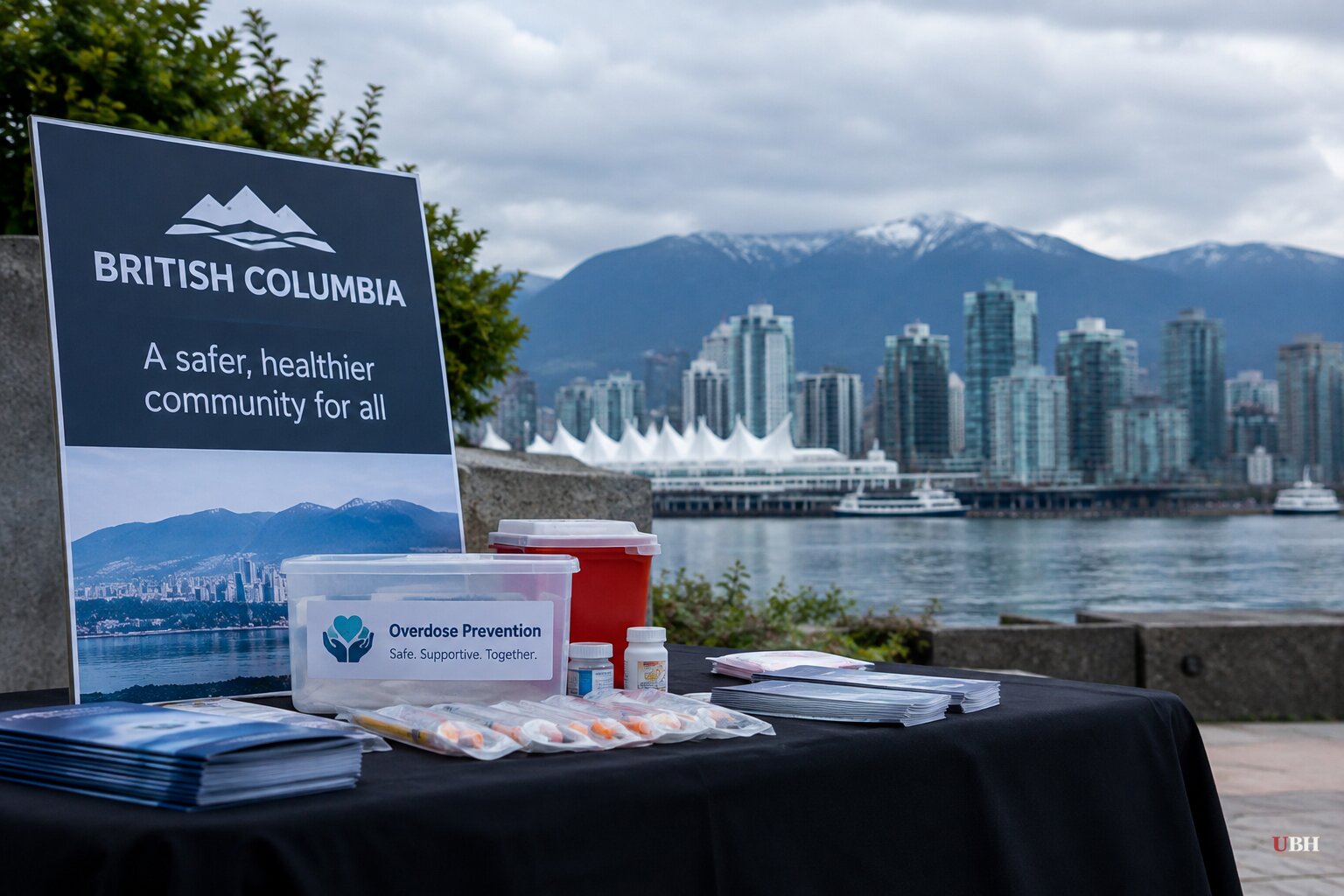
Canada offers a real-world test case on what happens when a jurisdiction goes the other direction on drugs. British Columbia launched a three-year pilot in January 2023 decriminalizing possession of up to 2.5 grams of opioids, cocaine, methamphetamine, or MDMA. Public disorder complaints forced a partial recriminalization in May 2024, and the province let the federal exemption expire entirely in January 2026, shutting the program down for good, according to the Times Colonist.
A new study in the Canadian Medical Association Journal, co-authored by researcher and family physician Daniel Myran, found the policy didn't do what backers promised. Arrests for possession dropped sharply during decriminalization and snapped right back once it was rolled back, but overdose deaths and hospitalizations showed no large, meaningful shift in either direction, per the Times Colonist.
Decriminalization didn't appear to make the overdose crisis worse, according to this study, but it didn't deliver the drastic drop in deaths that Premier David Eby, then-Health Minister Josie Osborne, and Victoria Police Chief Fiona Wilson had been promised. Myran told the Times Colonist that "overselling" the expected benefits is likely what cost the policy its public support. That warning cuts against both sides of the debate: proponents oversold the upside, and critics who now claim the pilot proves decriminalization fails are reading more into the data than the study supports.
Toxic drug poisonings in B.C. were declared a public health emergency in 2016 and have since resulted in more than 18,000 deaths in the province, though the death rate has since dropped from a 2023 peak, according to the Times Colonist, which notes that decline mirrors trends elsewhere in Canada and the U.S. and may partly reflect Chinese restrictions on fentanyl precursor exports that disrupted North American production.
Colorado's Fentanyl Fight
Aurora, Colorado's city council is split over Proposition 132, a ballot measure created by a right-wing advocacy group that would mandate tougher penalties for fentanyl possession statewide, according to the Sentinel Colorado. Councilmember Gianina Horton is sponsoring a resolution condemning the measure, arguing decades of research since the 1980s show that harsher incarceration for drug offenses doesn't reduce use or abuse.
Supporters of Prop 132 contend that consequences for possessing a drug this lethal are a basic public-safety measure, and jurisdictions like B.C. that loosened enforcement then reversed course under public pressure suggest voters aren't convinced leniency alone solves the crisis. Colorado voters are expected to decide the measure this November.
Gas Station Drugs and College Deaths
Separately, an investigation into the sudden deaths of two University of Mississippi students has renewed attention on legal, over-the-counter substances sold at gas stations, according to Fox News Radio's "The Fox News Rundown." Emergency physician Dr. Stephanie Widmer told the program that standard hospital toxicology screens often miss these substances entirely, and she pushed back on the assumption that "natural" labeling means safe, urging families to keep naloxone accessible.
What's Unresolved
Overton's Senate HELP Committee hearing will be the first real test of whether the Trump FDA moves to unwind the mail-order mifepristone rule, and neither the agency nor Overton has publicly committed to a position. Colorado's Prop 132 vote is still months away. And B.C.'s experience raises a question neither side has fully answered: if decriminalization didn't meaningfully worsen overdose deaths, and recriminalization didn't meaningfully improve them, what actually would move that number?
Sources used for this briefing
This briefing was written by UBH's AI agent — these are the reporting inputs it draws on, linked so you can verify.


