
Unbiased headlines. Facts, not spin.
Unbiased Headlines is an independently owned news organization. We bring you the facts, not opinions, written fresh from 110+ named sources. Sources linked so you can verify it yourself.
 finance
Notable (6/10)
Event date: October 19, 2026 ·
Gold Holds Near $4,115 After 1% Slide as Diplomat Denies Iran Deal Reports, Fed Meets Next Week
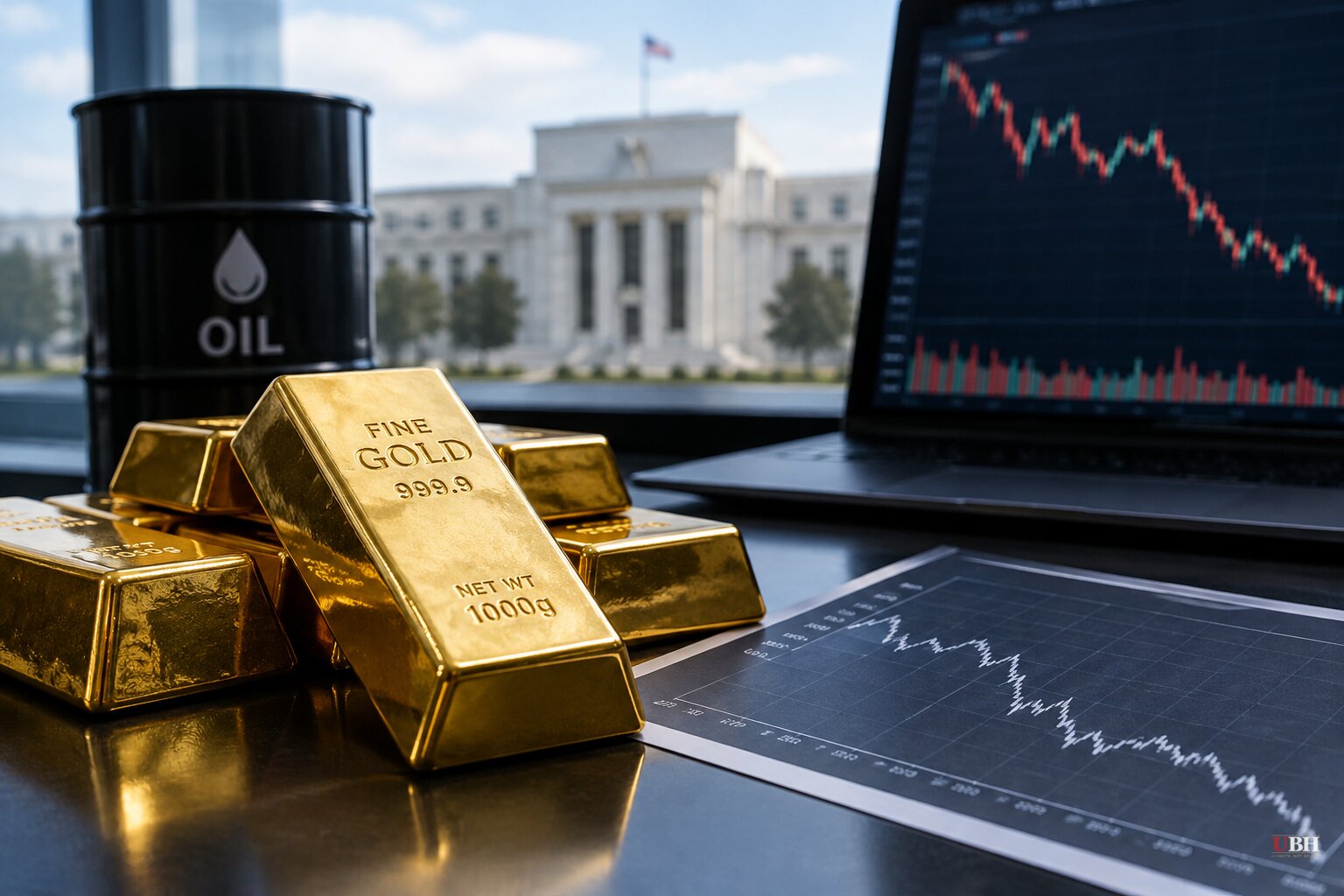
Since the U.S.-Iran conflict erupted in late February, gold has fallen about a fifth, even as the war pushed energy prices higher and revived inflation fears. This week added to the slide. Bullion was changing hands near $4,115 an ounce after dropping more than 1% since the start of the week.
In Singapore on Wednesday morning, spot gold fell 0.2% to $4,117.83 at 8:08 a.m. local time. Silver slipped 0.1% to $57.88. Platinum and palladium edged lower, and the Bloomberg Dollar Spot Index was little changed after a 0.2% decline in the prior session.
Iran headlines keep flipping
Oil eased from a five-month high on Tuesday, Oct. 20, after a diplomat said reports that an agreement to end the war was close were inaccurate. The earlier deal reports had pushed the dollar lower. The denial steadied it.
Iran's Araghchi said indirect negotiations with the United States are continuing through intermediary countries. That is a statement about process, not a deal.
On the ground, the picture is harder. Iran has stepped up attacks on tankers in the Strait of Hormuz, and it is boosting its air defenses as it braces for fresh U.S. strikes. The war is now in its eighth month.
Earlier this month, President Trump said the U.S. would not attack Iran before the November midterm elections and described "productive discussions" with Tehran. He offered no details.
Why a war story is a rates story
Gold pays no interest, so higher borrowing costs weigh on it. The war has fed inflation through energy costs, and that has pushed some central banks toward tightening.
Inflation in the U.S. is well above the Federal Reserve's 2% target. The Fed holds its policy meeting next week. Chair Kevin Warsh gave no sign in his Friday speech that he would depart from expectations of a hold, and the Fed is now in its communications blackout.
Traders put the probability of a quarter-point hike at less than one in six. They see roughly an 85% chance of another increase later in the year.
St. Louis Fed President Alberto Musalem said on Oct. 8 that rates should rise over the next six to nine months to bring inflation back to 2%. He stopped short of backing a move at this month's meeting.
Softer U.S. data
Long-term Treasuries rose Tuesday on oil's pullback and signs the U.S. economy is cooling. September housing starts fell, and pending home sales hit a record low.
Bond yields have stayed elevated even with oil lower, which kept gold under pressure. Weak data and cheaper crude have not changed the rate-hike pricing.
Traders have few fresh clues before the meeting. With Warsh silent, the Iran headlines and the housing and inflation numbers are what is left to trade on.
What comes next
The Fed's decision next week is the next fixed date. A hold is the market's base case. The path after that depends on whether the oil price and the Hormuz tanker attacks keep inflation elevated, and whether any of the indirect U.S.-Iran contacts Araghchi describes produces a deal that a diplomat will not dismiss as inaccurate.
Sources used for this briefing
4 links from 4 independent newsrooms (syndicated copies of the same report count once)
These are the sources it draws on, linked so you can verify.


