
Original briefings. Zero spin.
Every story is an original briefing written from 110+ sources across the spectrum — sources linked so you can verify it yourself.
 health
Notable (6/10)
Event date: August 25, 2026
health
Notable (6/10)
Event date: August 25, 2026
GLP-1 Prescriptions for Kids Ages 8 to 11 Jumped 310-Fold Since 2019, NYU Study Finds
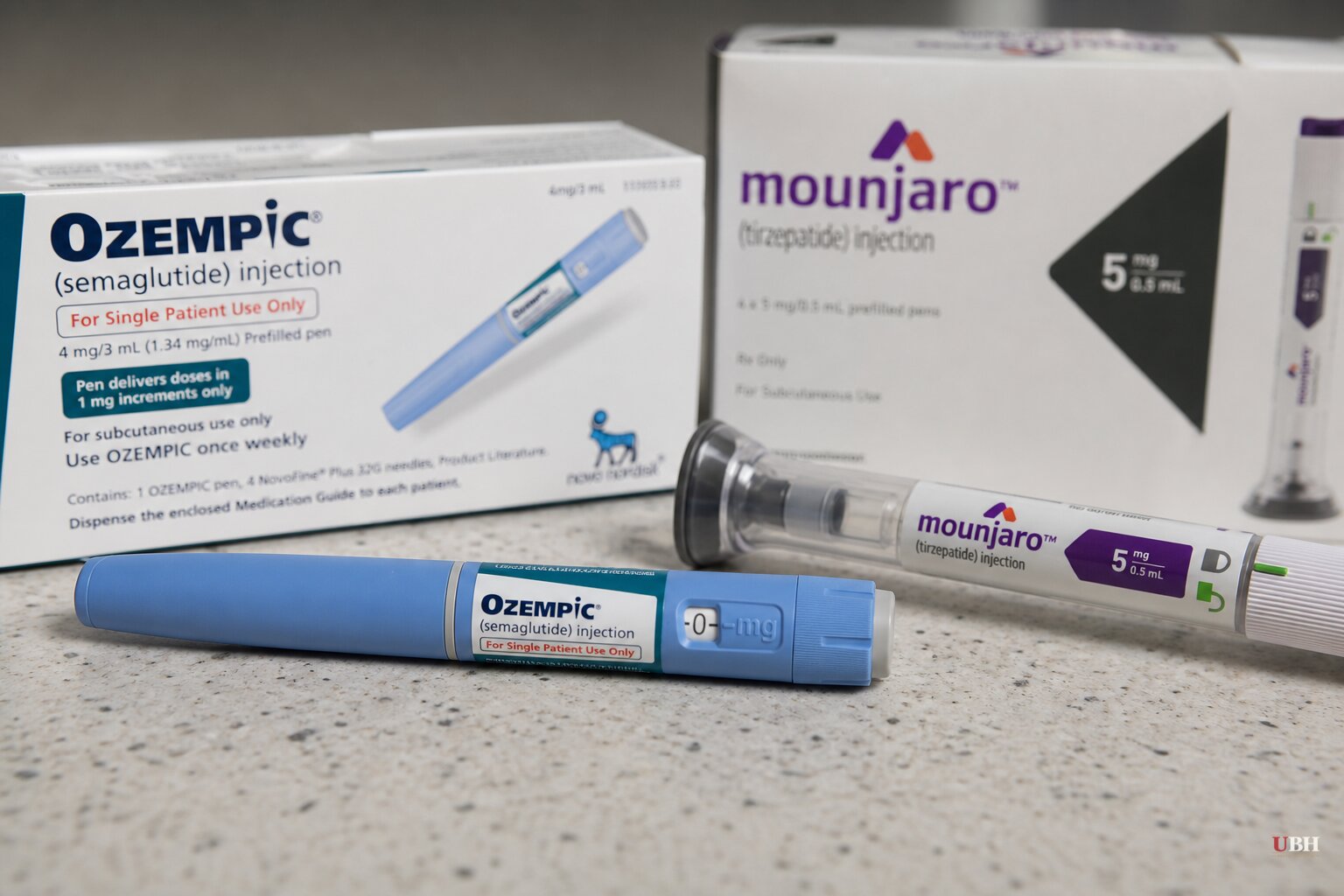
Doctors are prescribing GLP-1 weight-loss drugs to elementary-school-age kids at a rate that barely existed seven years ago.
A study published Friday, Sept. 4, in the journal Pediatrics, led by Babak J. Orandi, MD, PhD, of NYU Grossman School of Medicine, found that prescribing of GLP-1 receptor agonists, drugs including tirzepatide (Zepbound), semaglutide (Wegovy), and liraglutide (Saxenda), to children ages 8 to 11 with obesity rose from 0.03% in 2019 to 9.3% in June 2026. That's a 310-fold increase, according to the study.
The researchers analyzed more than 3.5 million children in that age bracket using Epic health record data. Despite the eye-popping growth rate, the total number of kids actually treated stayed small: 20,282 children, or 0.6% of those with obesity, received a GLP-1 prescription across the entire study period, per the findings reported by MedPage Today and Medical Xpress.
For context, roughly 20% of American children have obesity, meaning a body mass index above the 95th percentile for their age and sex.
Not FDA-approved for this age group
Liraglutide and semaglutide are currently FDA-approved for chronic weight management only in adolescents 12 and older, according to MedPage Today. There is no FDA approval for any GLP-1 drug in children under 12.
Clinical guidelines allow doctors to consider these drugs for kids as young as 8, and the medications have been studied in children ages 6 to 11, the study authors noted. But every prescription written for an 8 to 11-year-old right now is technically off-label use, meaning doctors are prescribing outside the drug's approved indication based on clinical judgment and emerging guidelines, not an FDA sign-off specific to that age group.
Parents and pediatricians are making calls on developing bodies without the same regulatory backstop that exists for teenagers and adults. The study itself doesn't settle the long-term safety question for kids this young. It documents a prescribing trend, not a safety verdict.
What the data does show is that doctors aren't handing these drugs out casually. Nearly 94% of the children prescribed a GLP-1 had severe obesity, meaning a BMI substantially above the 95th percentile. And 65.2% of GLP-1 users had an obesity-related complication, such as high cholesterol, high blood pressure, or sleep apnea, compared with just 19.6% of children with obesity who weren't prescribed the drugs. Orandi's team concluded that clinicians are largely reserving these drugs for kids at the highest immediate cardiometabolic risk, not using them as a broad first-line obesity treatment.
Who's getting left out
The study also flagged an access gap. Older children (11-year-olds over 8-year-olds), girls, and kids living in areas with lower social vulnerability, a measure tied to income and insurance access, were more likely to get prescribed. Co-author Allan B. Massie, PhD, said that as GLP-1 use expands, "physicians and health policymakers alike have a responsibility to ensure these valuable and sometimes costly treatments become available to more than those who have access to health insurance and can afford to visit pediatric clinics."
As GLP-1 use expands, the bigger problem right now may be that lower-income families with obese kids are getting frozen out of a treatment their higher-income neighbors can access.
Ripple effects beyond the pediatrician's office
The GLP-1 boom isn't staying contained to prescriptions. The National Restaurant Association's 2026 Restaurant Beverage Trends report found that among adults who don't drink alcohol, 25% cited health reasons, climbing to 34% among Gen Z. Chad Moutray, the association's chief economist, told Fox News Digital that GLP-1 use is one factor pushing restaurants to expand wellness drinks, energy drinks, smoothies, and alcohol-free cocktails, alongside broader health-consciousness trends he linked to the Make America Healthy Again movement. Nearly half of limited-service operators, 46%, plan to add new coffee offerings in 2026.
Inside the home, the shift is prompting harder conversations. CNN reported that roughly 11% of Americans are currently taking a GLP-1 medication, and a growing number are parents wrestling with how visible body changes affect their kids. Nicole Cruz, a registered dietitian in Southern California, told CNN that silence backfires: "Kids are going to make up their own ideas of what's happening if we're not actually addressing it." An April study cited by CNN found half of parents on weight-loss drugs already talk openly with their children about it.
There is still no long-term safety data on GLP-1 use specifically in children under 12, since the drugs were only studied and approved for the 12-and-up population. As guidelines push toward earlier pharmacotherapy and prescribing continues climbing, that data gap remains.
Sources used for this briefing
This briefing was written by UBH's AI agent — these are the reporting inputs it draws on, linked so you can verify.


