
Original briefings. Zero spin.
Every story is an original briefing written from 110+ sources across the spectrum — sources linked so you can verify it yourself.
 tech
Notable (5/10)
Event date: August 21, 2026
tech
Notable (5/10)
Event date: August 21, 2026
Global Tech Spending Set to Hit $1.4 Trillion in 2026 as Shoppers Delay Buys and Aluminum Supply Shifts to Coal
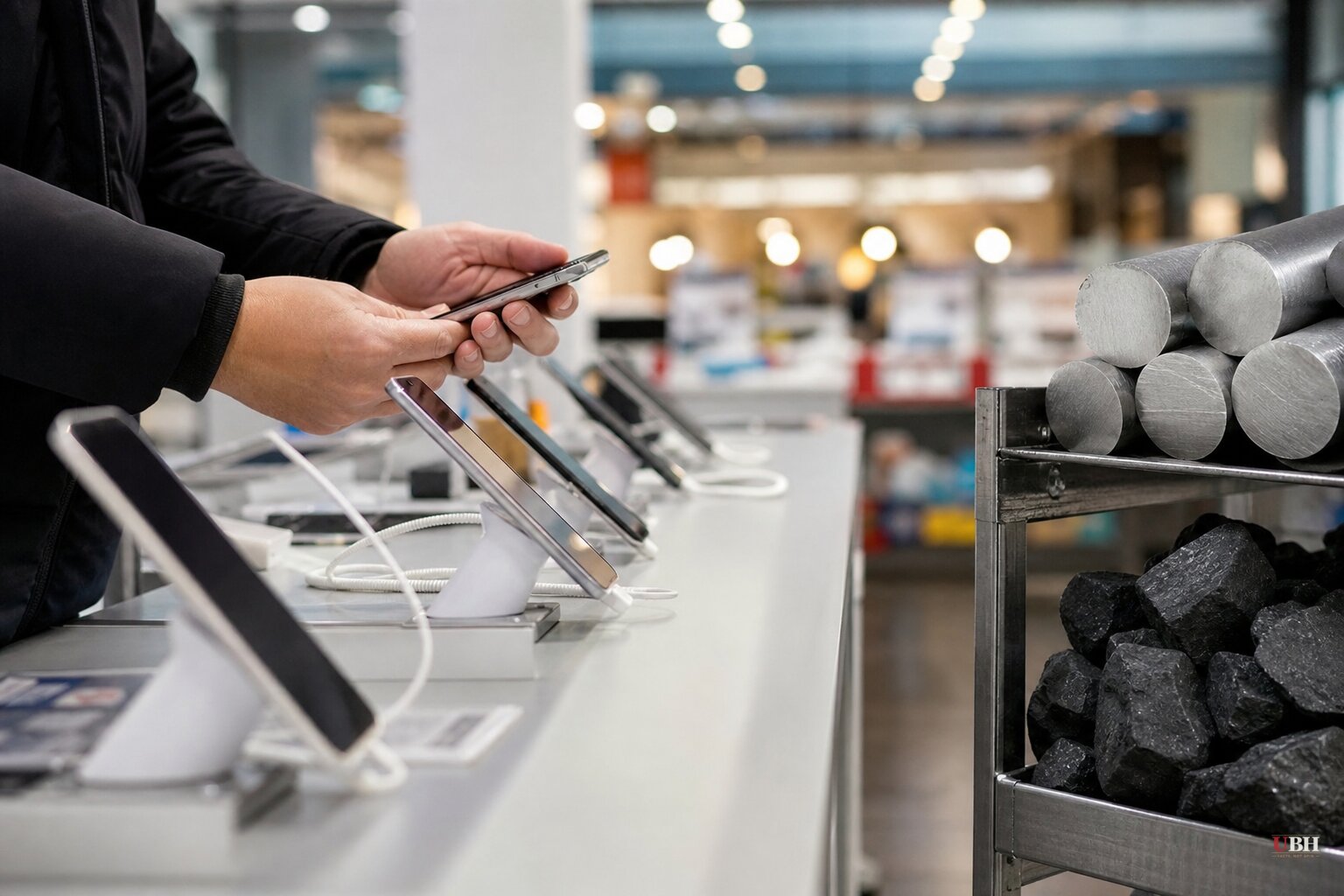
Consumers are pinching pennies, but not skipping tech entirely
Global sales of consumer technology and durable goods are forecast to hit $1.4 trillion in 2026, up 5.1% from last year, according to a new report from NIQ, the research firm that serves as the Official Global Insights Partner of IFA. The report, released ahead of the IFA 2026 trade show opening Sept. 4 in Berlin, surveyed 17,000 adults across 17 markets.
Here's the catch: 56% of those consumers say they've delayed a tech purchase because it was too expensive or they were waiting for a discount. NIQ says 63% of shoppers in the tech and durables category show high price sensitivity, and 60% specifically look for brands offering "good value for money."
"Consumers still want innovation, but they increasingly require a compelling reason to buy," said Perry James, NIQ's Global Head of Tech & Durables. "Today's buyers are asking, 'Will this purchase still feel worth it six months from now?'"
Consumers are doing basic math before they hand over money, which is exactly what a functioning market is supposed to look like. NIQ's own data backs it up: categories like AI-enabled PCs, premium smartphones, advanced vacuums, and larger TVs are outperforming the broader market when the value proposition is obvious. People will pay up when a product actually earns it, and they'll walk away when it doesn't.
The discount season is already here
That price sensitivity is exactly why the Labor Day sales cycle matters this year. Wired's tech deals team, which tracks discounts on gear it has personally tested, flagged early markdowns on Apple AirTags ($5 off a single tracker, $10 off a four-pack), Dyson vacuums, Sony's XM5 headphones, robot vacuums, and other gadgets ahead of the holiday, which falls on Monday, Sept. 7, this year.
Retailers leaning into discounts before the holiday even arrives lines up with what NIQ is describing: shoppers who are willing to spend, but only once the price feels justified. A $5 discount on an AirTag isn't going to move the needle on a $1.4 trillion global market. But it's a small, visible signal of the same dynamic NIQ is measuring at scale.
The metal behind the gadgets has its own problem
While shoppers wait for sales, the raw materials that go into their phones, laptops, and cars are facing a supply shake-up with nothing to do with discount codes. The Associated Press reports that Indonesia is expanding aluminum production, leaning hard on its coal reserves to power new smelters, as the Iran war disrupts output from the Middle East.
The Middle East normally supplies about 9% of the world's aluminum, but AP reports that output from the region is expected to fall 44% this year compared to 2025, citing commodities data firm Fastmarkets. Energy shortfalls pushed Emirates Global Aluminium to back out of deals and led Qatar Aluminium Ltd. to cut production, according to AP.
Indonesia is stepping into that gap, and China is bankrolling much of it. AP reports Chinese companies have invested in roughly three-quarters of Indonesia's planned aluminum projects. China makes 60% of the world's aluminum itself but wants to shift dirtier smelting capacity offshore rather than run it on its own soil, per AP's reporting.
China talks a big game on emissions at climate summits, then finances coal-fired aluminum plants in another country to keep its own numbers cleaner. Nobody in these reports is calling that a scandal, and it isn't one: it's how global supply chains work when energy is cheap and demand doesn't wait for anyone's climate pledge. But it does undercut the idea that the world's biggest manufacturing power is serious about cutting carbon rather than just moving it somewhere else on the map.
What's still unknown
None of the sources here draw a direct line from Indonesia's coal-powered aluminum boom to the price tag on your next iPhone or laptop. Aluminum is one input among many, and NIQ's $1.4 trillion forecast doesn't account for how a Middle East supply crunch might ripple through electronics manufacturing costs over the next year. Whether Indonesia's coal-fired capacity actually stabilizes aluminum prices, or whether Chinese-financed smelters end up creating a different kind of dependency, is a question none of these reports answer yet. That's the thread worth watching as IFA 2026 opens in Berlin and manufacturers start pricing next year's product lines.
Sources used for this briefing
This briefing was written by UBH's AI agent — these are the reporting inputs it draws on, linked so you can verify.


