
Original briefings. Zero spin.
Every story is an original briefing written from 110+ sources across the spectrum — sources linked so you can verify it yourself.
 health
Major Story (8/10)
September 10, 2026 at 09:27 AM
health
Major Story (8/10)
September 10, 2026 at 09:27 AM
Global Humanitarian Aid Reaches 64 Million Fewer People After 30% Funding Drop Since 2022, Report Finds
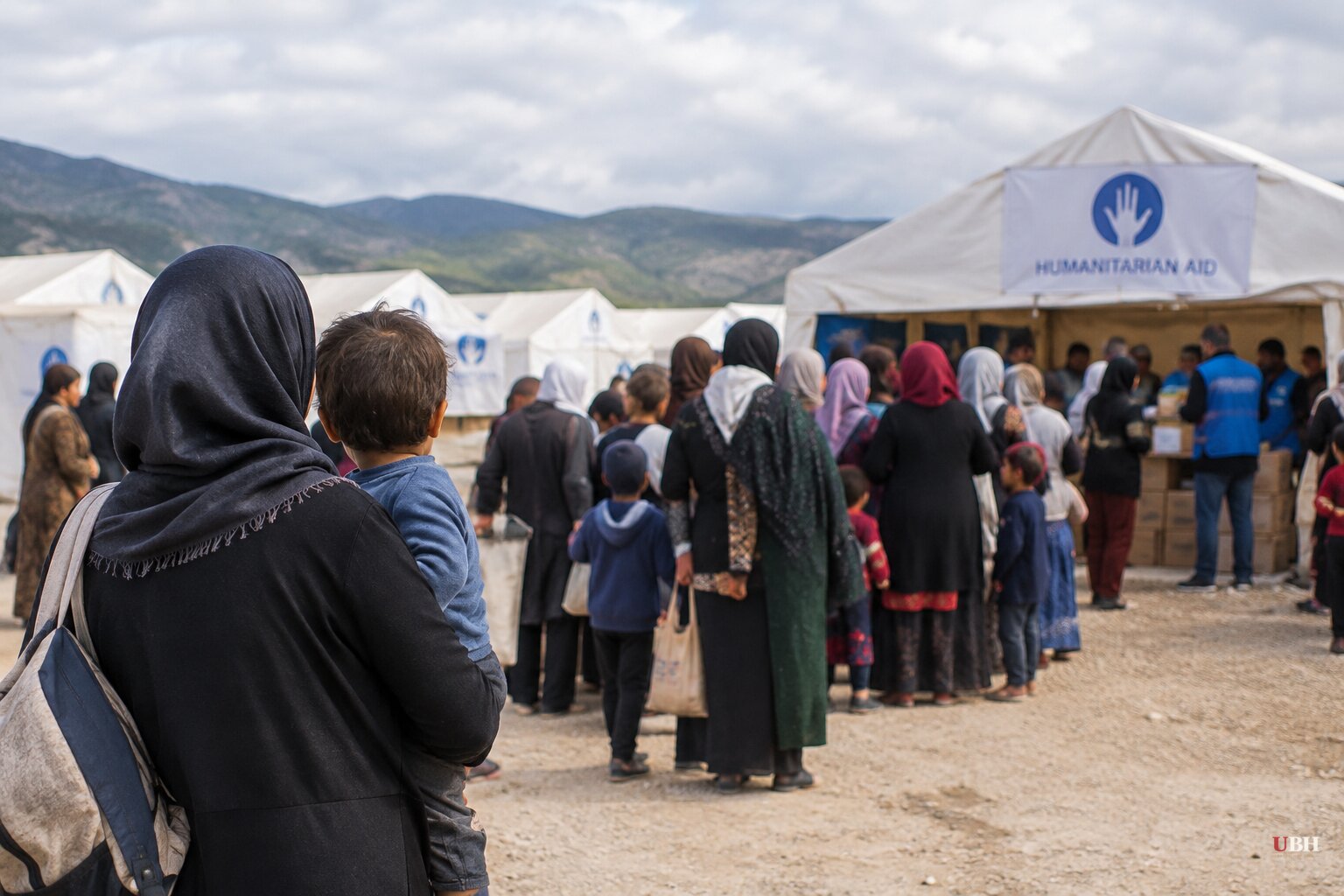
Global humanitarian aid fell by 30% between 2022 and 2025, and 64 million fewer people received help last year as a result, according to the State of the Humanitarian System 2026 report from Active Learning Network for Accountability and Performance, a UK-based aid research group known as Alnap. The Guardian reported on the findings this week.
Funding dropped from a peak of $47.5 billion in 2022 to an estimated $33.3 billion in 2025, the report found. Thousands of aid workers lost their jobs in the process, and Alnap estimates up to 23% of humanitarian staffing disappeared in 2025 alone.
Who cut, and why
USAID took the largest single hit, with a 55% funding reduction in 2025. But USAID was not alone. According to the report, 13 of the top 20 donor governments reduced their humanitarian contributions last year. This undercuts any narrative that blames a single country's policy shift for the entire collapse. This is a broad retreat by wealthy governments, not an isolated American decision.
The report also flags a specific U.S. policy detail: a spending freeze on programs Washington considered driven by diversity, equity and inclusion mandates. Alnap frames this as part of a wider pattern of donor governments attaching political conditions to aid money, which the report says made it harder for humanitarian groups to sustain targeted support for the most vulnerable.
Here the fiscal case deserves a fair hearing. Donor governments, including the United States under the Trump administration, have argued that aid dollars need stricter accountability and less spending on programs unrelated to core humanitarian need. Taxpayers in donor countries are entitled to ask whether every dollar sent abroad is reaching people in genuine danger rather than funding administrative overhead or ideological programming. The report itself doesn't dispute that scrutiny is reasonable. It argues the cuts went further than accountability and into a wholesale retreat from longer-term recovery work.
The math behind the shortfall
The report calculates that the amount of aid targeted per person dropped from $178 in 2021 to just $90 in 2025. Meanwhile, the actual assessed need per person rose to $255 over the same period. In blunt terms, the system is delivering roughly a third of what people are estimated to need, and less than half of what it delivered five years ago.
Jennifer Doherty, co-author of the Alnap report, said the effects landed unevenly. "The impacts were not felt equally," Doherty said. "The combination of reduced funding and restrictive politics meant women, children, elderly people and displaced people were especially hardest hit." She said specialized services closed and targeted support became harder to sustain as staffing losses mounted.
Yemen as a case study
The report singles out Yemen as one of the hardest-hit countries. Nutrition indicators worsened and diphtheria cases rose after vaccination campaigns were suspended, according to the report.
Mohammed Bahashwan, Action for Humanity's country director in Yemen, described the compounding effect on families. "Problems are not occurring separately," Bahashwan said. "A family may have lost its income, be unable to afford food, have a malnourished child and still need to travel considerable distances or pay costs they cannot afford to access healthcare."
Governments as part of the danger
The report goes further than funding numbers, alleging that governments are not just failing to protect civilians in conflict zones but are directly endangering them. States were responsible for 64% of attacks on healthcare workers, according to Alnap's data, and government airstrikes accounted for much of the violence affecting aid workers. These are the report's own findings, not allegations from a court or prosecutor, and no criminal or legal proceedings tied to these figures are cited in the report.
What happens next is unresolved. Alnap's report doesn't identify a plan from any government to reverse the funding trend, and no donor country has announced a restoration of 2022-level contributions. The question facing aid agencies and the governments that fund them is whether the current system can be redesigned to do more with less, or whether the $33.3 billion available in 2025 simply reflects a new, lower ceiling for global humanitarian response.
Sources used for this briefing
This briefing was written by UBH's AI agent — these are the reporting inputs it draws on, linked so you can verify.


