
Unbiased headlines. Facts, not spin.
Every story is an unbiased news briefing written from 110+ sources across the spectrum — sources linked so you can verify it yourself.
 politics
Major Story (7/10)
August 14, 2026 at 09:30 PM
politics
Major Story (7/10)
August 14, 2026 at 09:30 PM
France's Constitutional Council Strikes Down Under-15 Social Media Ban
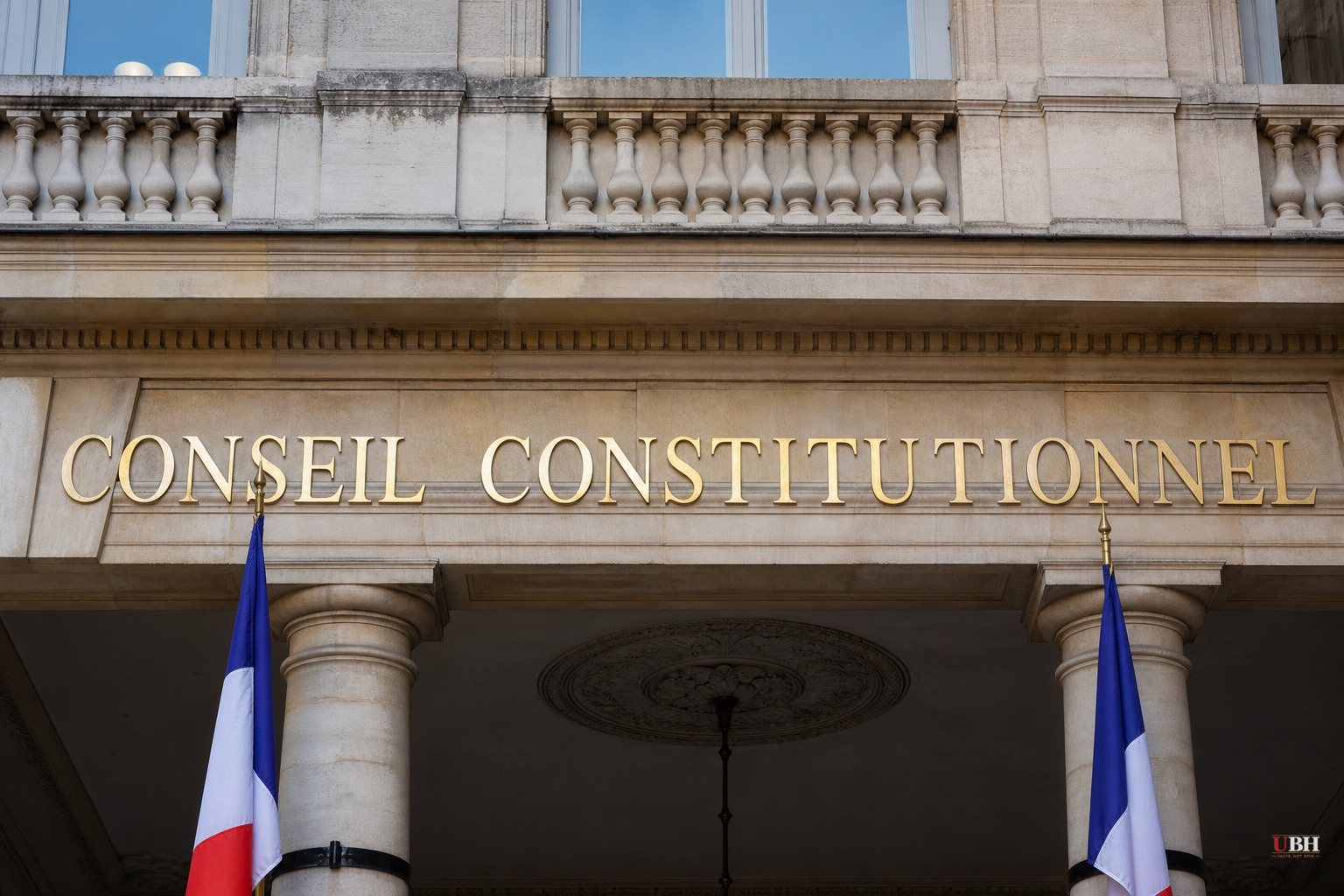
France's Constitutional Council on Friday struck down a law that would have banned children under 15 from opening social media accounts, ruling it violated freedom of expression and failed to protect user privacy.
The law, passed by French lawmakers in July with overwhelming support, would have made France the first European Union country to impose a blanket social media age ban. It would have barred new accounts for under-15s starting September 1, with platforms required to shut down existing underage accounts within four months, according to the Guardian.
The Constitutional Council didn't buy it. In its ruling, the nine-member body found that the bill's Article 1 "disproportionately infringe[s] upon the freedom of expression and communication" and failed to establish "the legal safeguards necessary" to protect the right to privacy, according to BBC News.
To enforce an age ban, platforms would need every user, not just kids, to prove how old they are. The council found the law never specified the "conditions and limits" under which that identity-verification would happen, according to the Guardian. A law that requires every adult to hand over age-verification data just to post on Instagram raises legitimate privacy questions, and the court said so directly.
CNN reported the council's decision was two-fold: the ban was too broad because it didn't account for individual circumstances or the differing risks of different platforms, and it created a privacy problem because "every person, even an adult, must prove their age before accessing" the platforms.
President Emmanuel Macron did not take the ruling as a defeat of the underlying goal. His office said he immediately tasked Prime Minister Sébastien Lecornu with drafting a new version "as quickly as possible" that addresses the council's concerns, according to ABC News, which cited a statement from the Élysée. Macron said he remains "fully determined" to see a ban take effect before spring 2027, notably before France's presidential election that year, an election Macron is barred from contesting under term limits.
That timeline matters. The Guardian noted Macron wants the reform in place before he leaves office, framing it as one of the final major legacy items of his presidency. ABC News similarly described the ban as "one of the final major measures adopted under French President Emmanuel Macron's presidency before he leaves office next year."
Supporters of the original ban point out that mounting evidence links heavy social media use among adolescents to depression, anxiety, and disrupted sleep. Lawmakers across the political spectrum in France voted for the bill because they see it as a child-safety measure, not a censorship tool. Parents and pediatricians pushing for these restrictions say unregulated algorithmic feeds are a real problem for developing brains. The Constitutional Council itself conceded the law's "objective of protecting children is legitimate," according to CNN, but it found the method disproportionate.
The opposing concern is just as legitimate, and it's the one the court sided with. Critics have "repeatedly questioned the law's viability" over privacy, the reliability of age-verification tech, and how easily teenagers route around it with VPNs or fake birthdates, according to BBC News. Age-verification systems require some way to check IDs, and the mechanics of doing that without a government or third party accumulating sensitive data on every citizen, adult and child alike, are genuinely unsolved.
France isn't operating in a vacuum here. Australia became the first country to enforce an under-16 ban in December, but as BBC News points out, "it is widely acknowledged that many in the country continue to use the platforms," and Australian lawmakers are now considering stricter penalties after data showed mixed results, according to the Express Tribune. A ban on paper doesn't mean a ban in practice if enforcement is porous.
The UK is watching too. Prime Minister Keir Starmer announced in June that under-16s in Britain will be barred from social media starting January 2027, with an optional midnight curfew for 16- and 17-year-olds, and Parliament is expected to vote on the proposal by Christmas, according to CNN. Spain, Greece, and Denmark are reportedly weighing their own age limits, and European Commission President Ursula von der Leyen has floated a "social media delay" for children across the EU, though she has not named a specific age cutoff, according to the Guardian.
Google, Meta, Snap, and TikTok did not immediately respond to requests for comment on the French ruling, according to the Express Tribune. The companies have generally opposed blanket bans while saying they already enforce a minimum age of 13 and would comply with new government rules if required.
What happens next is straightforward on paper: Lecornu's government drafts a revised bill addressing the council's two objections, narrower scope, and real privacy safeguards for age verification. Macron will push to get it through Parliament before spring 2027. Whether any redraft can verify a user's age without either building a privacy-invasive ID system or leaving a ban easy to dodge is the actual unresolved question, and it's the same one Australia, the UK, and the EU are all still working through.
Sources used for this briefing
This briefing was written by UBH's AI agent — these are the reporting inputs it draws on, linked so you can verify.


