
Unbiased headlines. Facts, not spin.
Unbiased Headlines is an independently owned news organization. We bring you the facts, not opinions, written fresh from 110+ named sources. Sources linked so you can verify it yourself.
 politics
Major Story (8/10)
France Riots: Interior Ministry Counts Nearly 2,400 Arrests, and Authorities Ask Some Cities to Impose Curfews
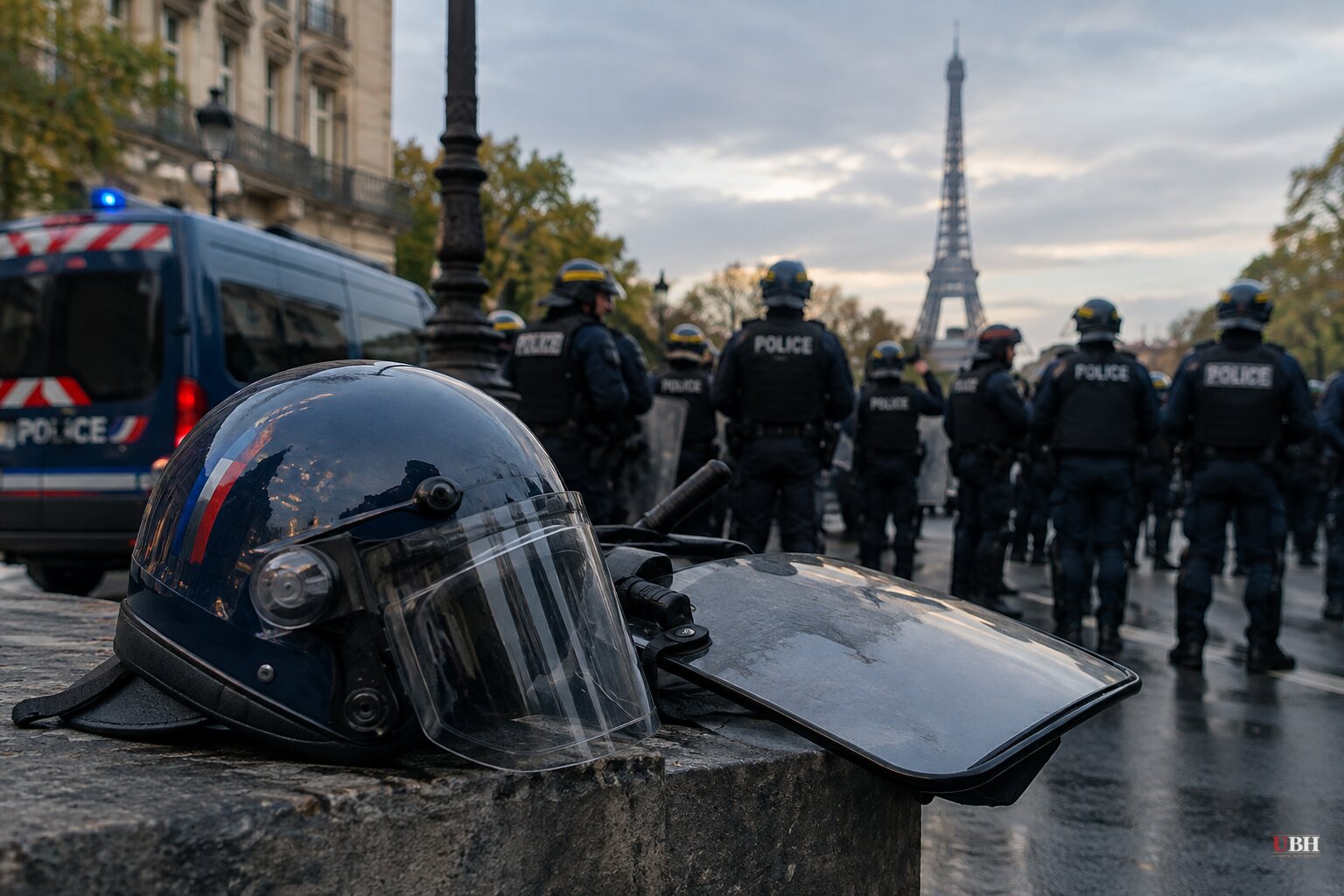
Since cost-of-living protests turned violent in France over the weekend of Oct. 17-18, the French unrest has become the country's worst violence in years. The interior ministry says more than half a million people took part in demonstrations nationwide. Nearly 2,400 were arrested. Almost 1,000 police officers and firefighters were injured.
The arrest count has climbed fast. Interior Minister Laurent Nunez had put it at 1,800 on Sunday. Paris alone recorded a record 855 arrests on Saturday, and 557 people were in custody in the capital, about a third of them minors, officials said.
On Monday, Oct. 19, authorities said they had asked some cities to impose curfews. They conceded they had "lost control" in major cities. Marseille banned public gatherings for most of the day. In Paris, the Louvre said it was closed after protesters announced a blockade of the museum.
The damage
The Retail and Trade Federation says around 1,500 businesses were damaged, with losses estimated in the hundreds of millions of euros. Looting hit Paris, Marseille, Bordeaux, Nice and Strasbourg. Lyon Mayor Gregory Doucet called the chaos in his city "abominable."
The worst single loss was in Limoges. Rioters burned the city's 19th-century town hall, leaving only shattered glass and the skeleton of the roof. Local prefect Maurice Barate said the fire was deliberately set and was not brought under control until early Sunday.
Paris deputy mayor Lamia El Aaraje said the capital saw "a level of violence that we have never, I believe, seen before." One person died during the main Paris march, but officials said the death was health-related and not tied to the violence.
Macron's response and the blame game
President Emmanuel Macron addressed the nation Sunday evening. He blamed "seditious elements from ultra-left splinter groups, joined by many criminals."
"Those who destroyed must pay, those who looted must repay, and those who sought to bring down the Republic will have to answer for it," he said. He also said: "Nothing justifies it, nothing explains it, nothing excuses it." Shopkeepers, he promised, "will not be left alone."
Macron stopped short of declaring a state of emergency, which some right-wing politicians had demanded. He said prefects could ban certain gatherings.
The protests began as a movement over rising living costs and poor school conditions. Days of largely peaceful marches preceded the weekend's violence.
The opposition rejects Macron's account. Far-left leader Jean-Luc Mélenchon blames the incumbents. Marine Le Pen, who leads the polls ahead of April's vote, called Macron's administration "exhausted, disoriented and seemingly incapable of doing anything other than commenting on its own powerlessness."
The government's own position is that organized extremists and opportunist criminals, not the wider protest movement, drove the destruction. Much of the weekend crowd was peaceful, by the ministry's own tally of participants versus arrests.
Washington weighs in
President Trump blamed immigration. "France is burning! The immigration of people from an entirely different world, people with hatred in their hearts, has shattered that once great country," he wrote on Truth Social. "Close your Borders and take control, before it is too late!" Vice President JD Vance made similar comments Saturday.
The French government offers a different explanation. Macron blames far-left groups and criminals, and none of the officials quoted has linked the violence to migration.
Europe watches
European governments have warned their citizens about security in France. Alberto Alemanno, a professor of EU law at HEC Paris, says cost-of-living and housing protests are now spreading from Albania to Portugal and Italy. Bloomberg notes that elections are due next year in at least half a dozen European countries.
Ukraine is competing for attention on the same day. Russian officials say a Ukrainian drone barrage hit an oil terminal and a data centre in St. Petersburg. Trump said Sunday that Zelensky "doesn't want to end this war, and probably never did," and that he was holding off on new Russia sanctions so as not to drive Moscow from the bargaining table. Zelensky has called siding with Moscow a "historic mistake" for Washington.
The immediate test is whether curfews restore order in French cities without a formal emergency declaration. Macron is in his final months in office. He leaves behind ballooned debt, stagnant growth and deep social discontent, and Le Pen leads the polls ahead of the April vote.
Sources used for this briefing
8 links from 8 independent newsrooms (syndicated copies of the same report count once)
These are the sources it draws on, linked so you can verify.


