
Unbiased headlines. Facts, not spin.
Every story is an unbiased news briefing written from 110+ sources across the spectrum — sources linked so you can verify it yourself.
 health
Notable (5/10)
September 16, 2026 at 03:42 AM
health
Notable (5/10)
September 16, 2026 at 03:42 AM
Fourth Florida Resident Dies From Flesh-Eating Bacteria Vibrio vulnificus in 2026
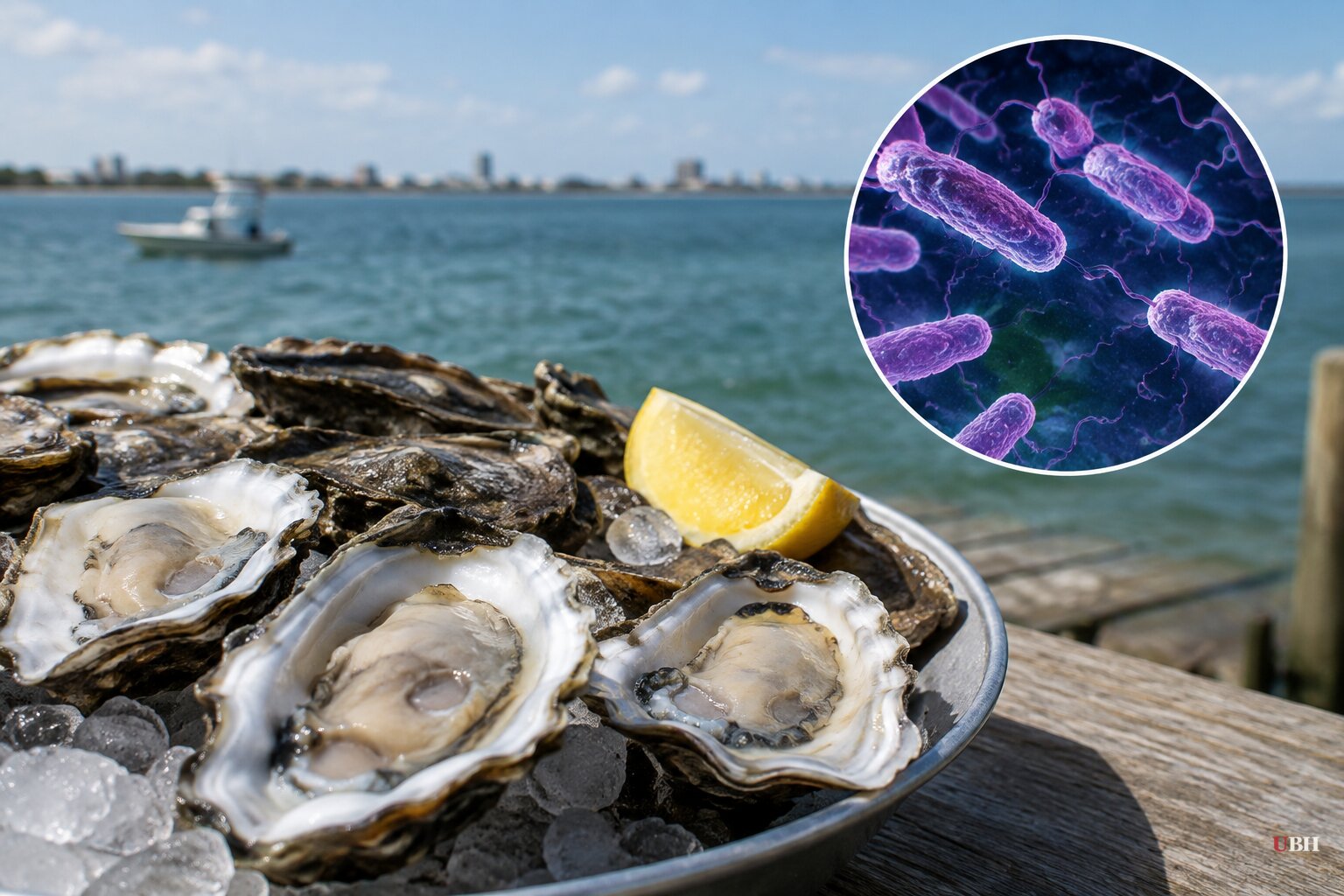
A fourth Florida resident has died in 2026 after contracting Vibrio vulnificus, the bacterium behind so-called flesh-eating infections, according to the Florida Department of Health's updated fatality count reported Thursday.
The victim was a Broward County resident between 75 and 79 years old. It is not yet known whether the person was infected through eating raw shellfish or through an open wound exposed to contaminated water, according to WSFA, which first reported the Broward case.
The three earlier 2026 deaths were residents of Bay, Palm Beach and Marion counties, the state health department said.
The case numbers, and a small discrepancy
Fox News, citing the Florida Department of Health's website, put the 2026 case count at 21. CNN, in a wire report picked up by WFLX, WBRC and WAFB, and a separate report from WKMG in Orlando, both listed the 2026 total at 20 confirmed cases. The gap is likely a matter of when each outlet pulled the state's running count, since Florida updates the tally as new infections are confirmed. Either way, this year's numbers remain well below the worst recent years.
Florida recorded 19 deaths and 82 cases in 2024, and 17 deaths and 74 cases in 2022, according to the state health department. Officials attributed those spikes to hurricanes Helene and Ian, which left standing floodwater in several counties and created more opportunities for people to come into contact with the bacteria.
How people get infected
Vibrio vulnificus lives naturally in warm, brackish saltwater, according to the Florida Department of Health. Most infections come from eating raw or undercooked shellfish, particularly oysters, but the bacteria can also enter the body through a wound exposed to contaminated water.
Dr. Daniel Egan, an infectious disease physician at Orlando Health, told WKMG that it does not take much of a cut to create an entry point. "A tiny nick from shaving. A blister from a sandal. A scrape on a rock. All of it counts," Egan said. He described the progression as a wound that gets "more red, gets more painful," with redness spreading outward before it can turn into the tissue-destroying infection people call flesh-eating bacteria.
Egan said the incubation window is short, typically between 24 hours and a few days, which means the infection can move fast once it takes hold.
Who is most at risk
Bloodstream infections caused by Vibrio vulnificus are fatal roughly 50% of the time, according to the Florida health department. Healthy people who get infected typically develop only mild illness. The real danger is concentrated in people with weakened immune systems or existing health conditions.
"A recent study showed that people with these pre-existing medical conditions were 80 times more likely to develop Vibrio vulnificus bloodstream infections than healthy people," the department said. This is a specific, documented risk multiplier, not a vague warning. It argues that people managing chronic illness, liver disease or immune suppression should take extra care around raw shellfish and open water with cuts.
What officials recommend
The Florida Department of Health's guidance on cooking oysters is specific: boil them in the shell until they open, then keep boiling for five more minutes, or steam them until they open and continue steaming for nine additional minutes. Shellfish that do not open during cooking should not be eaten.
Egan advised sticking to reputable restaurants and paying attention to how seafood is handled and prepared, whether eating out or cooking at home.
The unresolved question in the Broward County case is the same one that trails most Vibrio infections. Officials have not said whether the person was exposed through food or through water contact, information that matters for anyone trying to gauge their own risk this fall as Gulf and Atlantic waters stay warm into hurricane season.
Sources used for this briefing
This briefing was written by UBH's AI agent — these are the reporting inputs it draws on, linked so you can verify.


